Welcome to HongChang Aluminum CO., LTD.

Visit
Xin'an Industrial Assemble Region,Luoyang,Henan Province,China
Welcome to HongChang Aluminum CO., LTD.
Xin'an Industrial Assemble Region,Luoyang,Henan Province,China

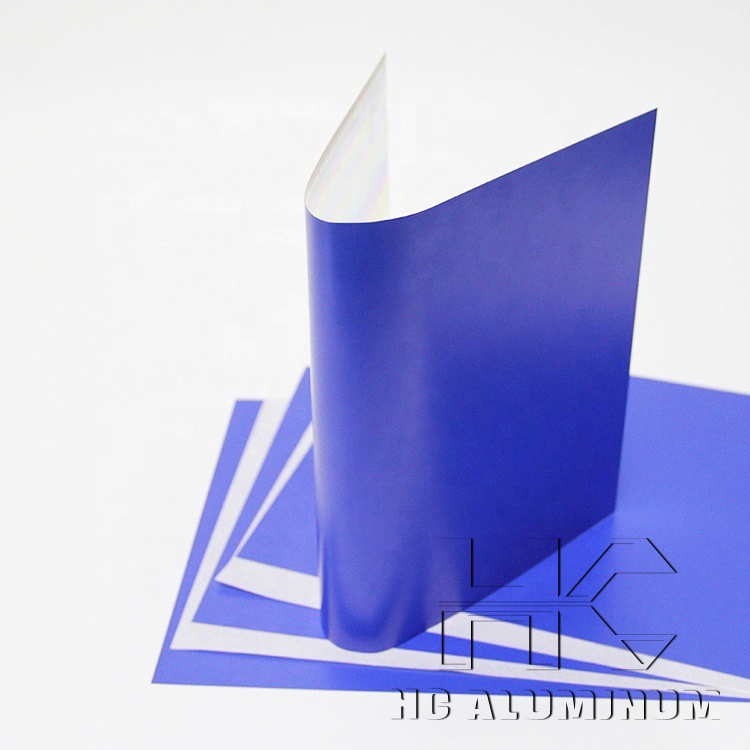
CTCP plates are widely used in the printing industry, especially for high-volume commercial printing jobs where speed and quality are crucial.
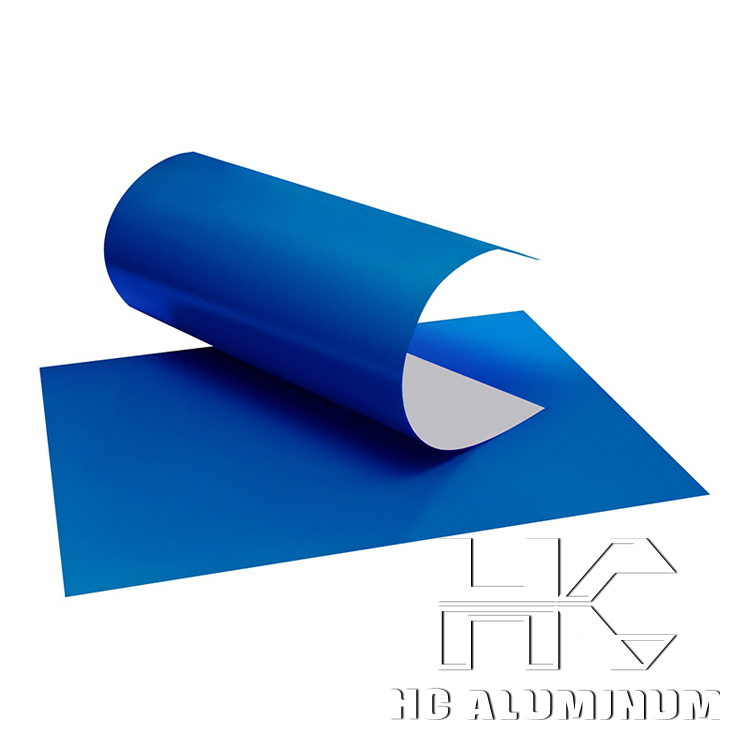
The double layer coated sunlight type CTCP plate has high sensitivity, good developing latitude, excellent resolution, consistency, chemical resistance, and printing effect without the need for baking.
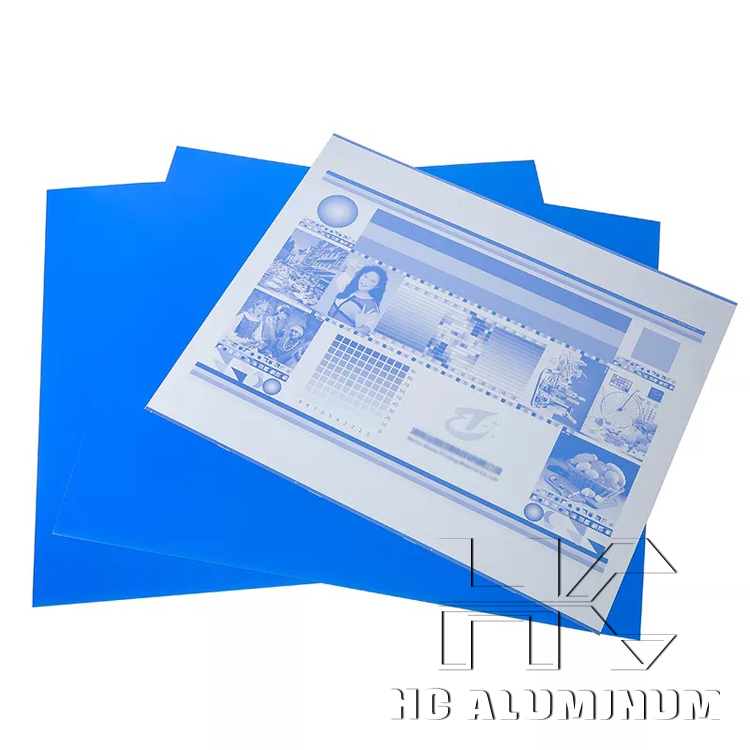
Double-layer coated thermal CTP plates are usually used for printing jobs that require high quality and efficiency.
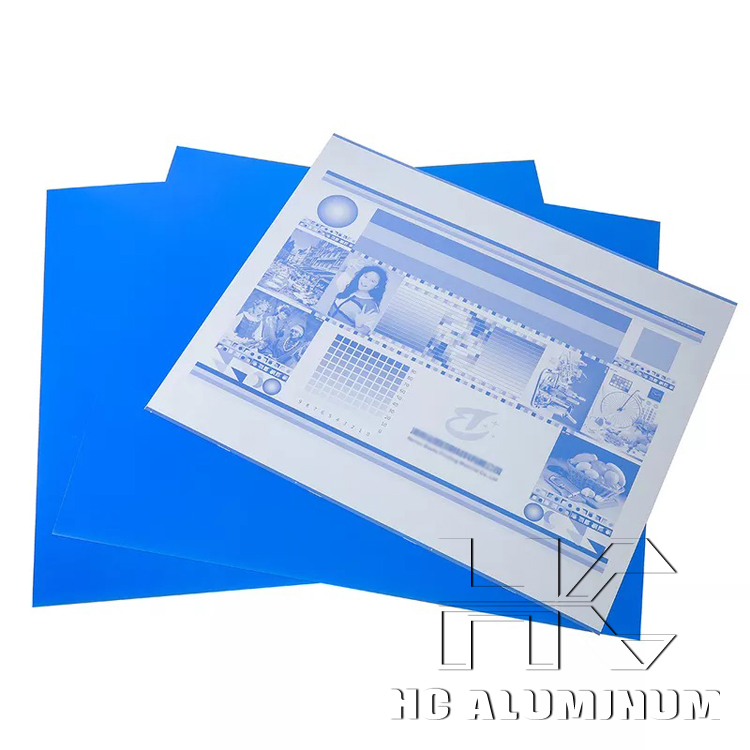
Thermal CTP plates have the advantages of fast plate making speed, high tolerance, accurate dot reproduction, excellent ink balance, etc., and are widely used in the printing industry.
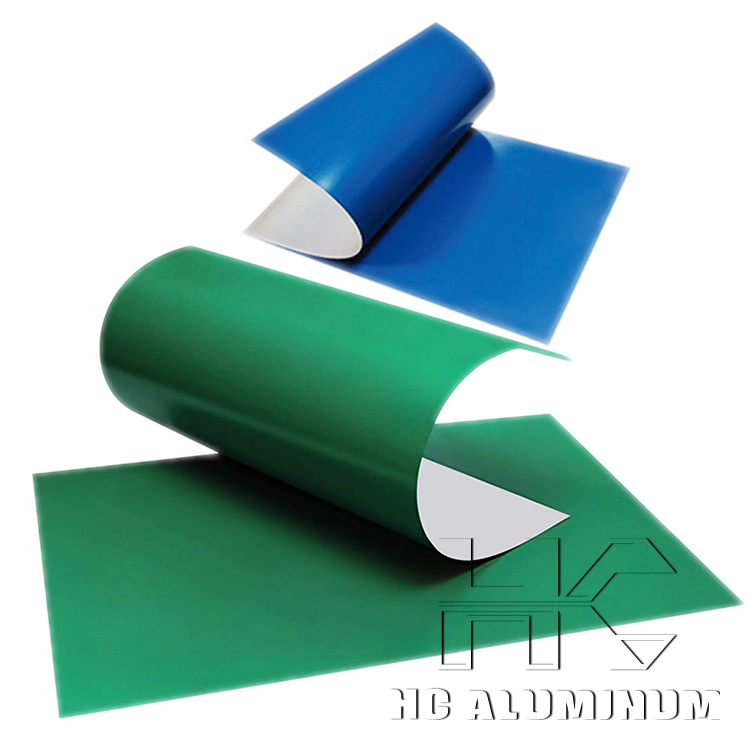
Positive offset PS plates have excellent flatness, ink receptivity and hydrophilicity, high strength and light weight, good thermal conductivity and electrical conductivity, environmental protection and recyclability, strong adaptability, and ease of hand
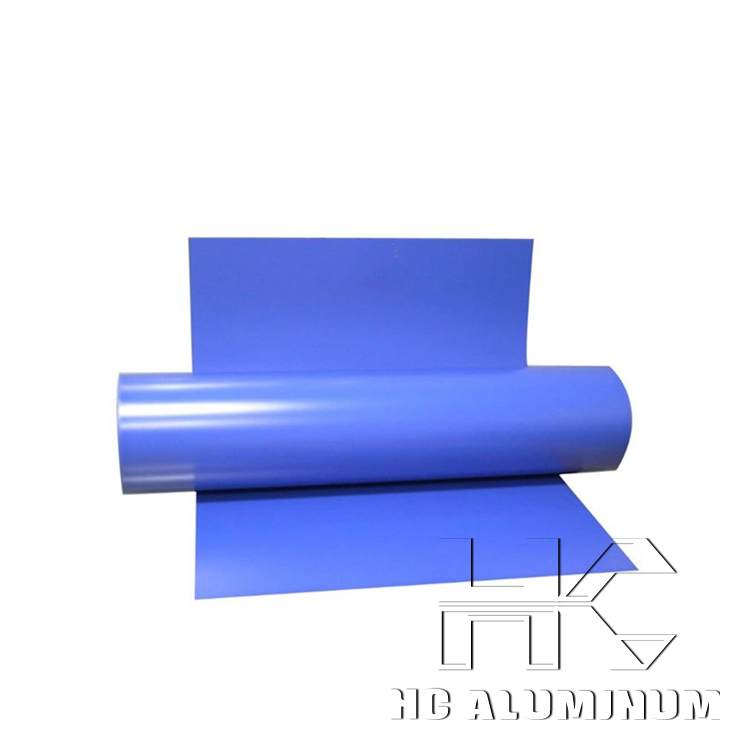
Processless thermal CTP plate is a type of plate material specially designed for computer-to-plate (CTP) technology, featuring significant characteristics such as environmental protection, high efficiency, and high quality.
A thermal CTP plate is an aluminum-based printing plate coated with a thermally sensitive imaging layer. It is imaged by an 830 nm thermal laser CTP setter without the use of film, significantly improving prepress efficiency.
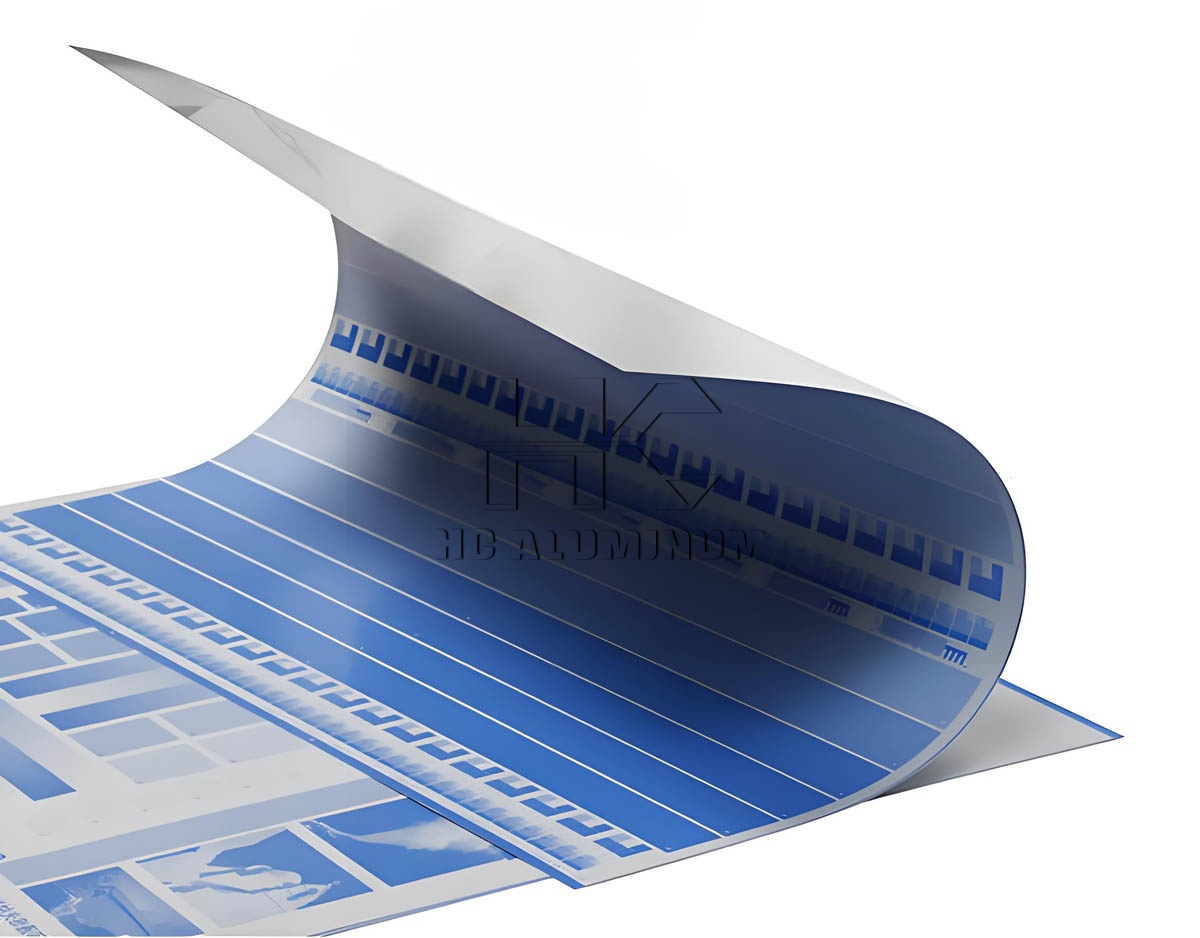
Thermal CTP plate for packaging printing with thermal imaging, robust coating system, and anodized aluminum substrate for stable dot reproduction and press run stability.
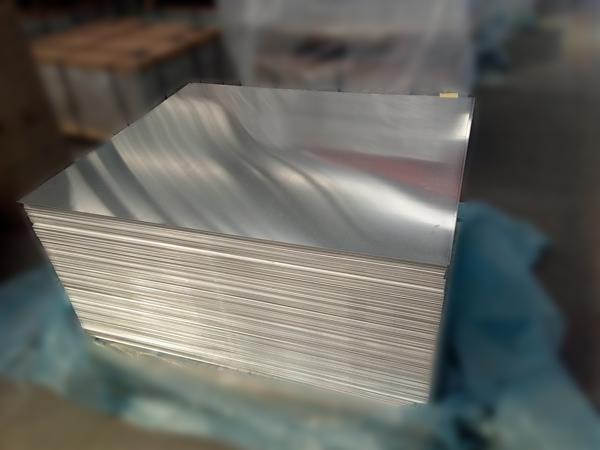
1 series aluminum alloy plates are commonly used for PS plate substrate/CTP plate substrate, with advantages such as high printing quality, strong printing durability, environmental friendliness, cleanliness and hygiene, and low cost.
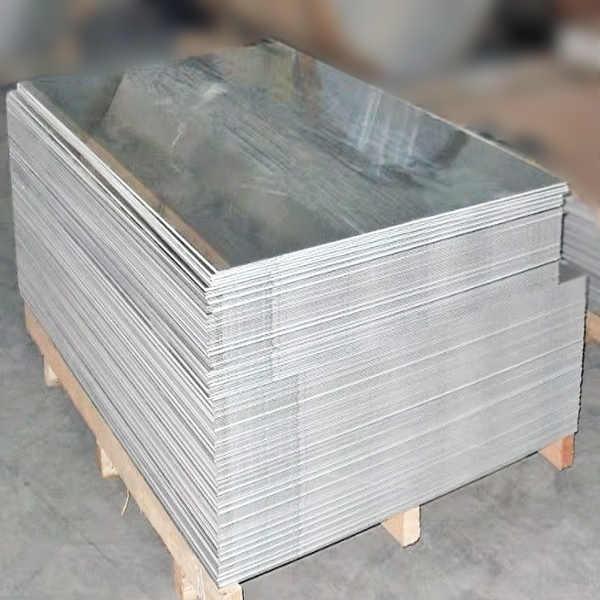
In the printing industry, PS sheet (pre-coated photosensitive sheet) refers to a sheet made by coating a non-silver photosensitive (thermal) resin layer on an aluminum substrate sheet. For photosensitive sheet substrates, 1050, 1060, 1070, 1050A aluminum
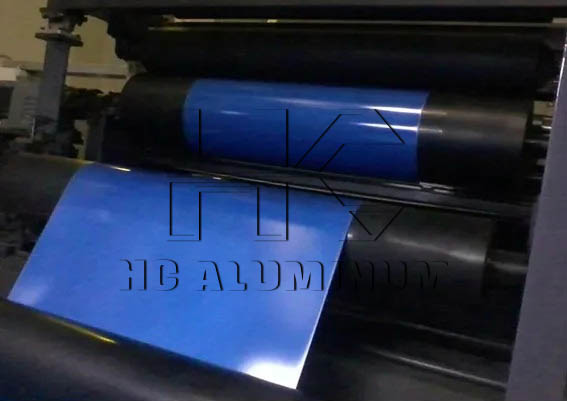
CTCP uses traditional PS plates and ultraviolet light, while CTP uses special plates and lasers.
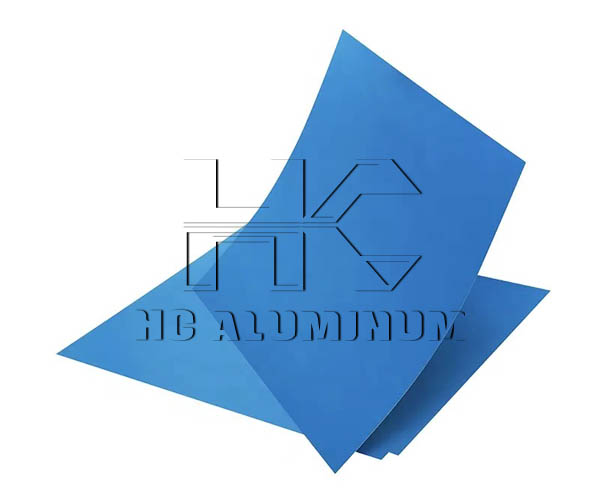
Common alloy grades of aluminum sheets commonly used in offset printing are 1050, 1060, 1070, etc., which have the advantages of low density, high strength, and good forming.
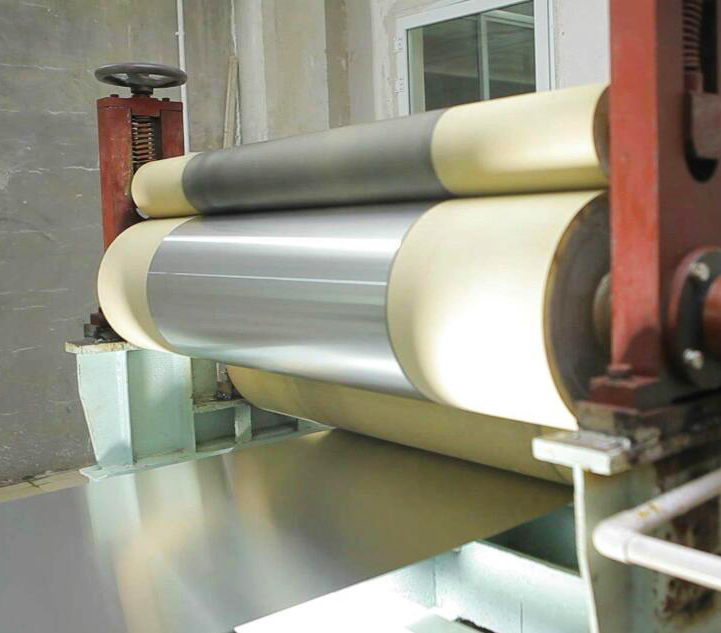
CTP plate is a high-end direct platemaking technology, widely used in different types of offset printing plates, such as positive PS plate, thermal CTP plate, photosensitive CTP plate and UV-CTP plate. CTP plate has the advantages of high printing quality
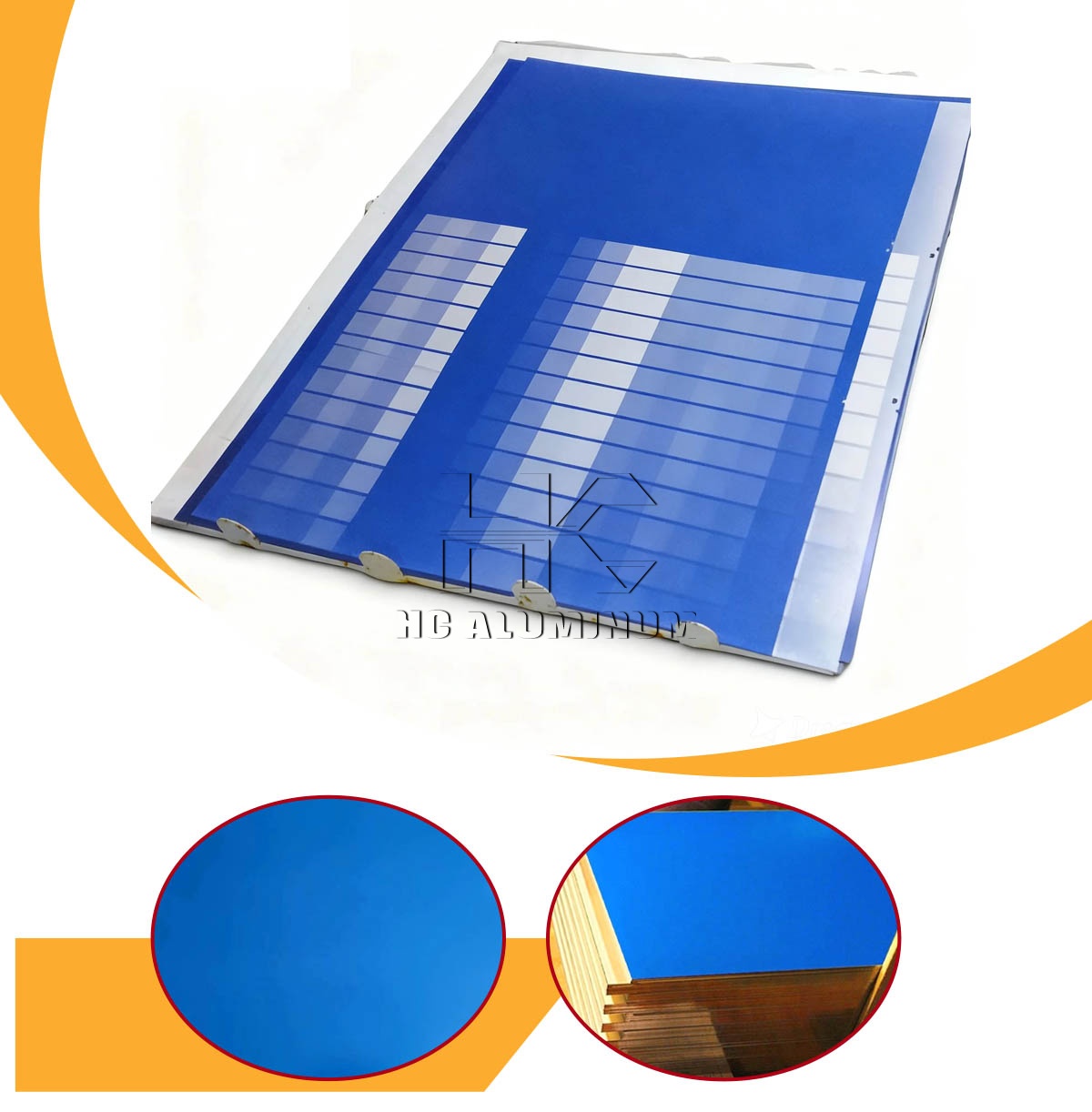
Discover how our double-layer thermal CTP plates deliver long run length, reliable imaging, stable printing quality, and efficient offset presswork daily.
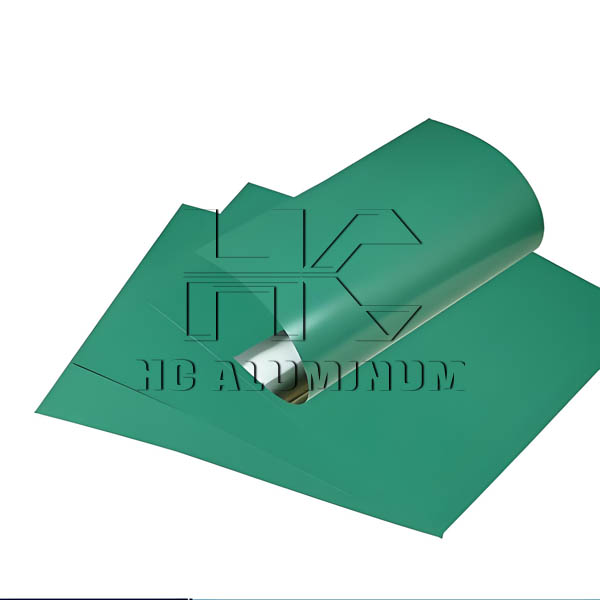
The aluminum alloys commonly used in printing plates include 1050, 1060, and 1070 series pure aluminum, which have aluminum contents above 99.5%.
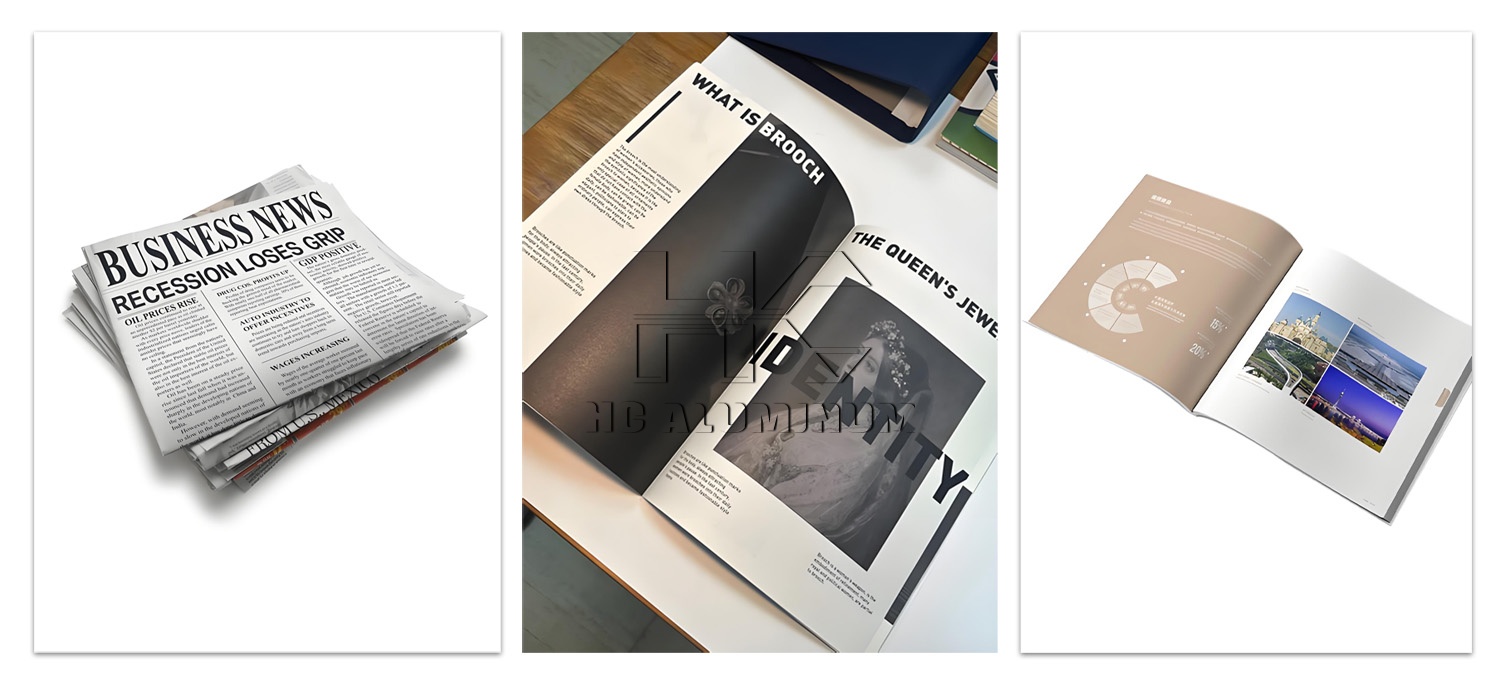
Learn how to select CTP plates for newspaper printing, comparing run length, imaging speed, stability, cost, and supplier support for pressrooms.
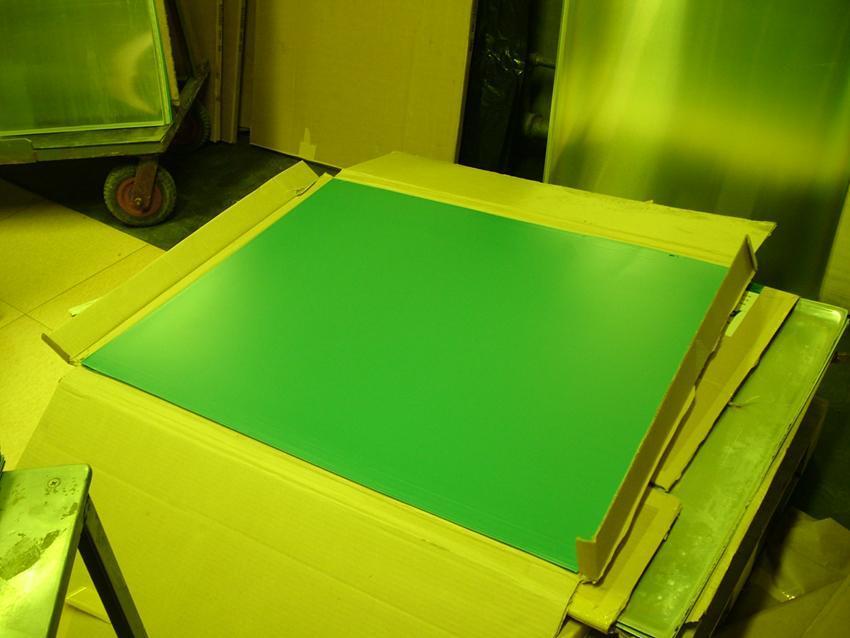
PS offset aluminum plate is usually made of aluminum substrate coated with photosensitive material, with the advantages of high precision, high stability and long life, suitable for high-quality offset an
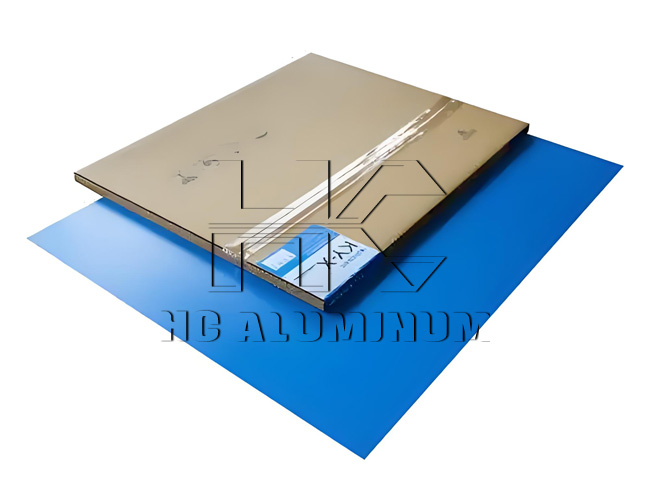
UV-CTP and thermal CTP are two mainstream CTP plate making methods, which are widely used in newspapers, magazines, advertisements, commercial printing, etc.
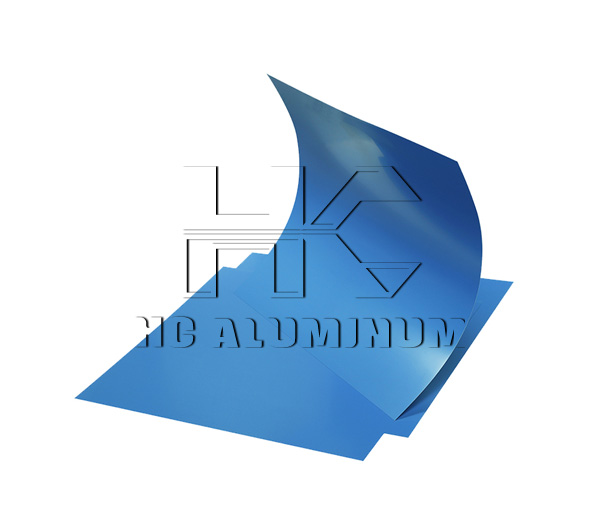
Hongchang's high-quality CTP aluminum substrate uses 1 series high-purity aluminum, which is flat and corrosion-resistant, ensuring high-resolution imaging and stable printing strength, and is widely used in the digital printing industry.
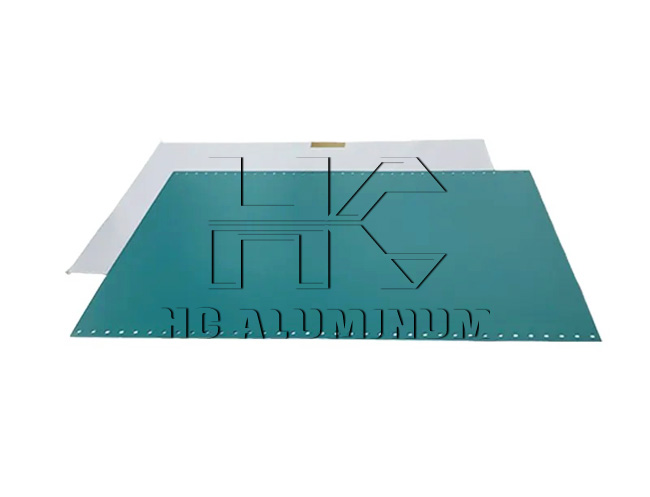
PS plates are offset printing plates made of aluminum plates (1050/1060/1070) as the base material and pre-coated with a photosensitive layer. They are widely used in various printing processes.
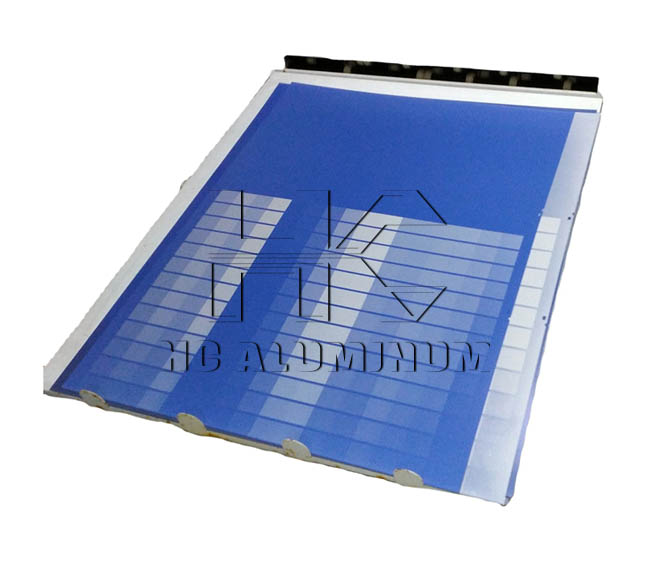
CTCP refers to a computer-to-plate imaging process using traditional PS plates (Presensitized Plates) or, in some contexts, CTP plates.
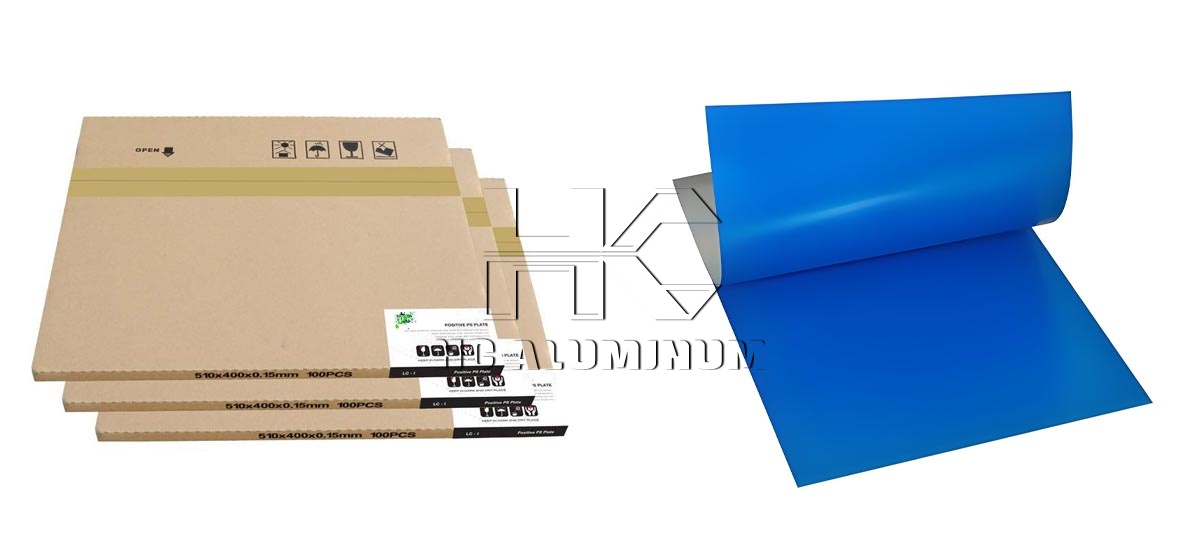
Our 830nm thermal CTP plates deliver reliable imaging, sharp offset output, and stable press performance for digital prepress and printing workflows.
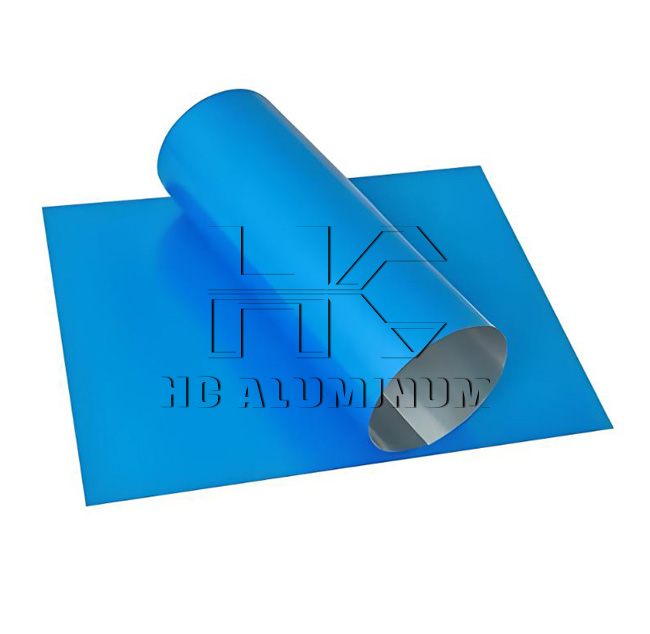
Aluminum PS plates are the core consumables of offset printing presses. The base material is primarily 1050, 1060, or 1070 aluminum alloy. The surface is electrolytically oxidized to create a grain structure and then coated with a photosensitive resin.
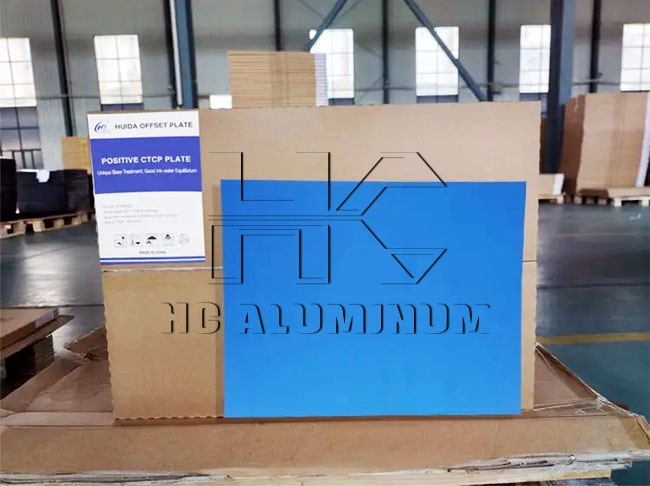
Aluminum substrate is the main carrier of green printing aluminum plate. It is usually made of high-purity aluminum, using 1050 aluminum alloy, 1060 aluminum alloy, etc.
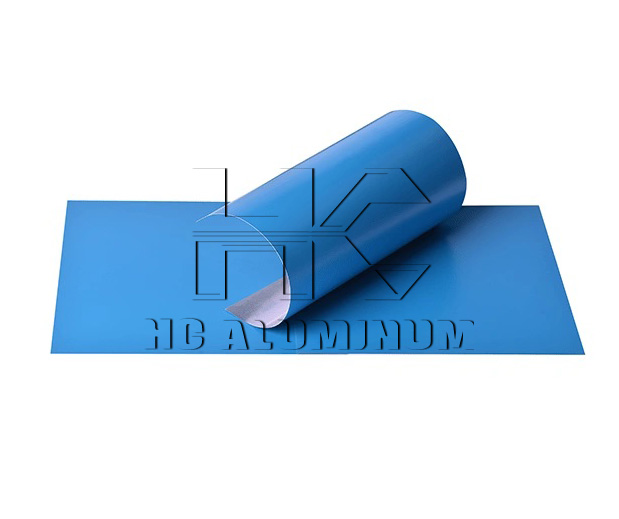
CTP plate is a printing plate substrate specially used in CTP platemaking process. It is made of high-quality aluminum substrate and its surface has a complex grain structure and a dense oxide layer.
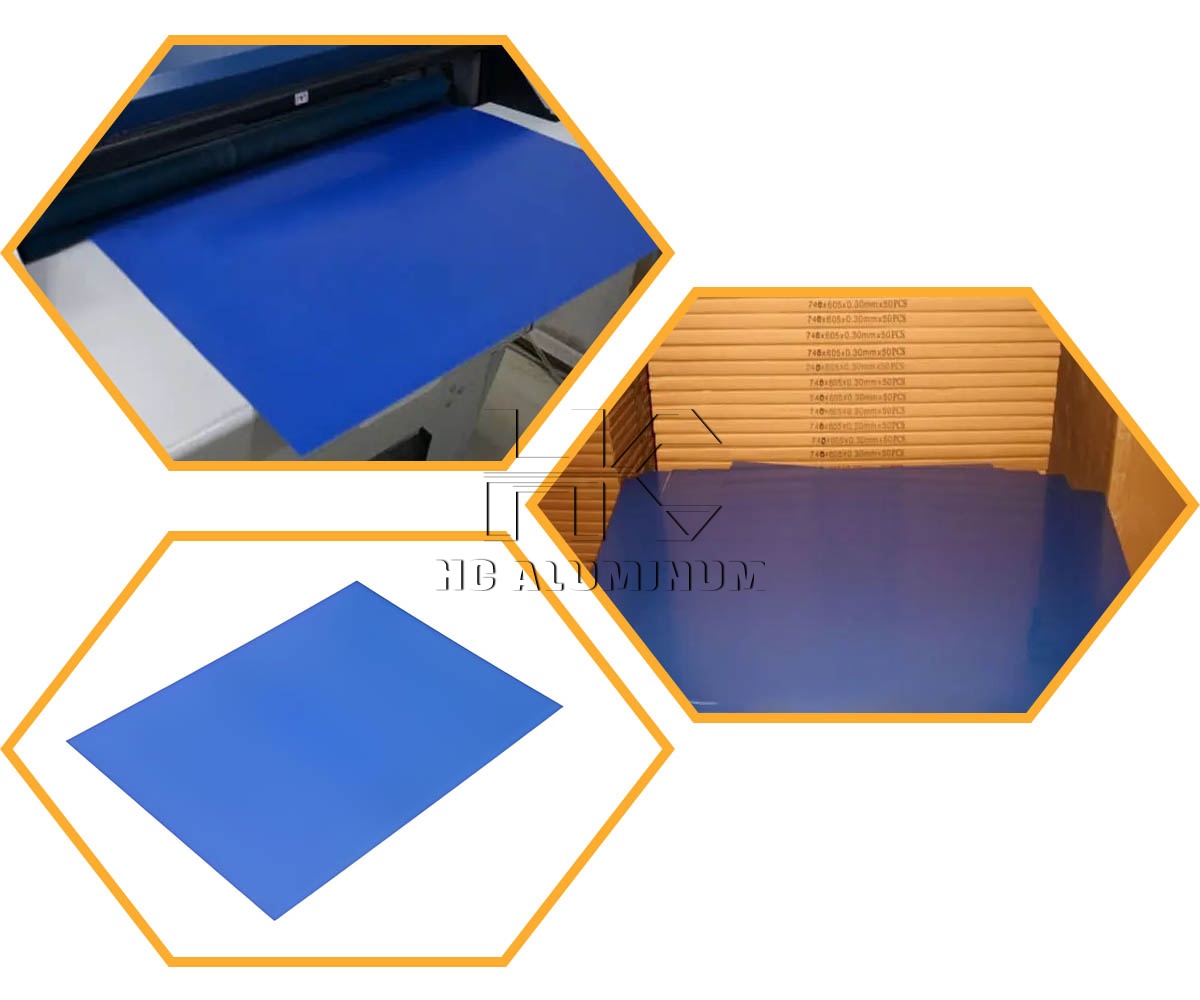
Learn what thermal CTP plates are made of: anodized grained aluminum plus 830 nm thermal coating, and how materials affect imaging, dot quality, and run length.
High sensitivity positive thermal CTP plates with excellent dot reproduction, stable imaging performance, and wide exposure latitude.Suitable for commercial and packaging offset printing.
PS plate aluminum plate base usually uses high-purity aluminum alloy, which has good corrosion resistance and thermal conductivity. Commonly used aluminum alloys include 1050, 1060 and other series.

Process-free CTP plates effectively solve the problems of hazardous waste and emissions, and reduce electricity and water consumption, allowing you to achieve "green" printing.
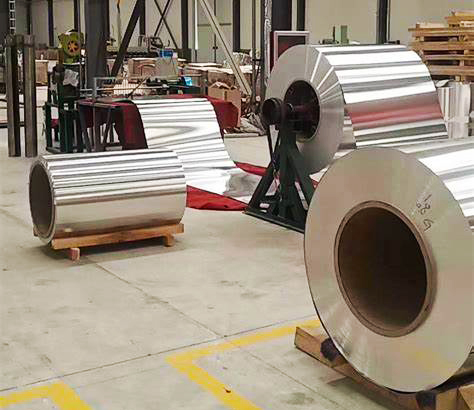
Ctcp plate is a computer-generated plate made directly on a traditional plate, replacing the traditional film platemaking method. The positive Ctcp plate inherits the advantages of CTP such as timeliness and high quality, a
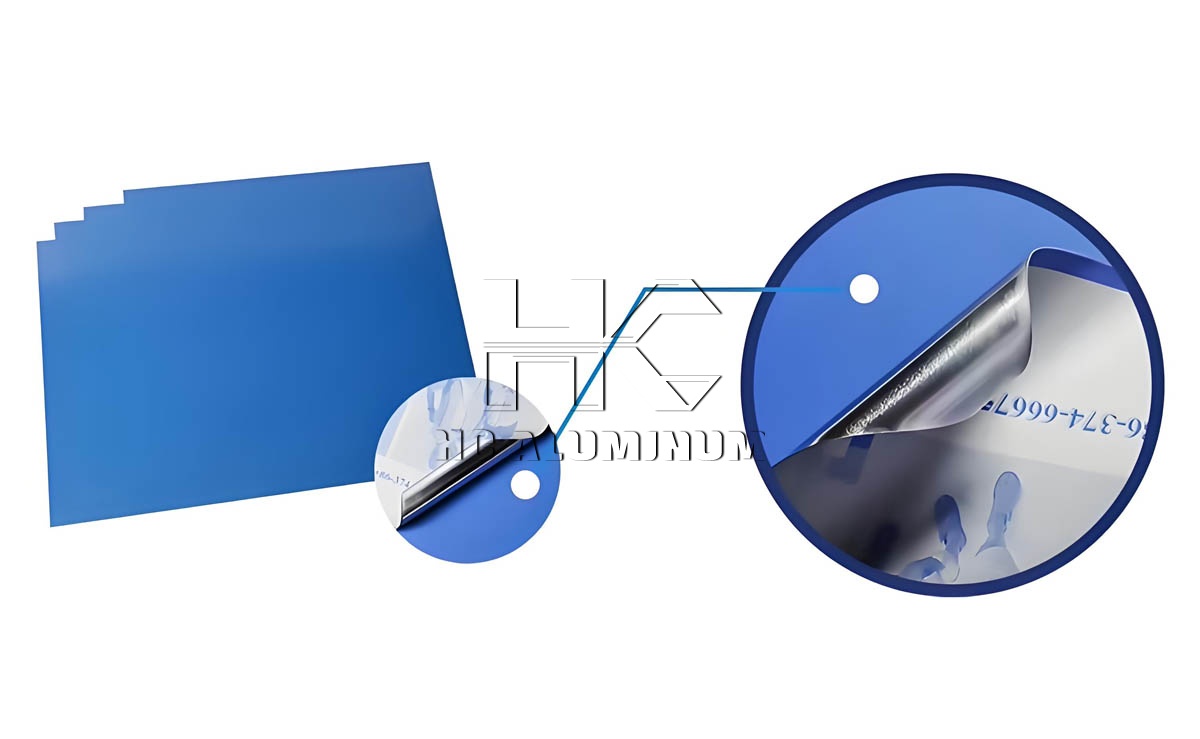
Thermal CTP plate for Heidelberg press with grained anodized aluminum, thermal imaging coating, stable dot reproduction, long run length, and consistent press latitude.
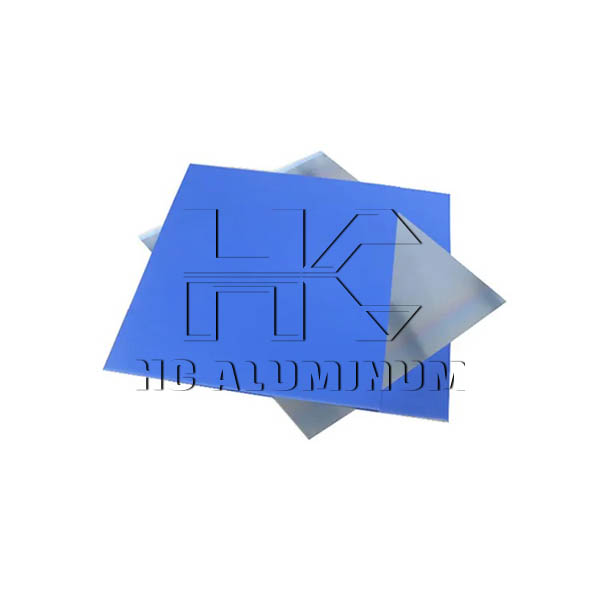
The blue coated double-layer CTCP plate is made of high-performance aluminum base material, offering excellent durability and imaging precision. It is suitable for both UV ink and conventional offset ink.
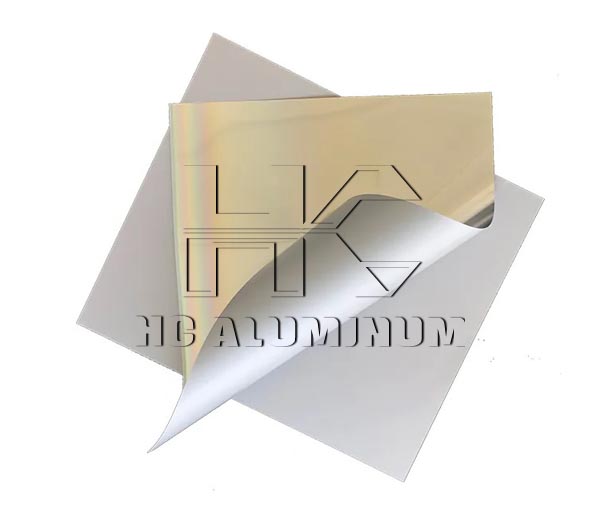
Processless thermal CTP plates use 830 nm thermal imaging technology and require no chemical development, offering high plate-making efficiency and excellent stability, making them ideal for high-volume commercial and packaging printing applications.
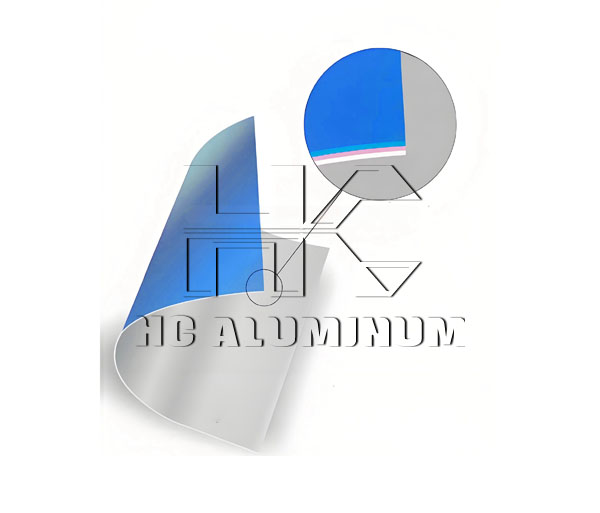
There are two main types of common CTP plates: Violet CTP and Thermal CTP.
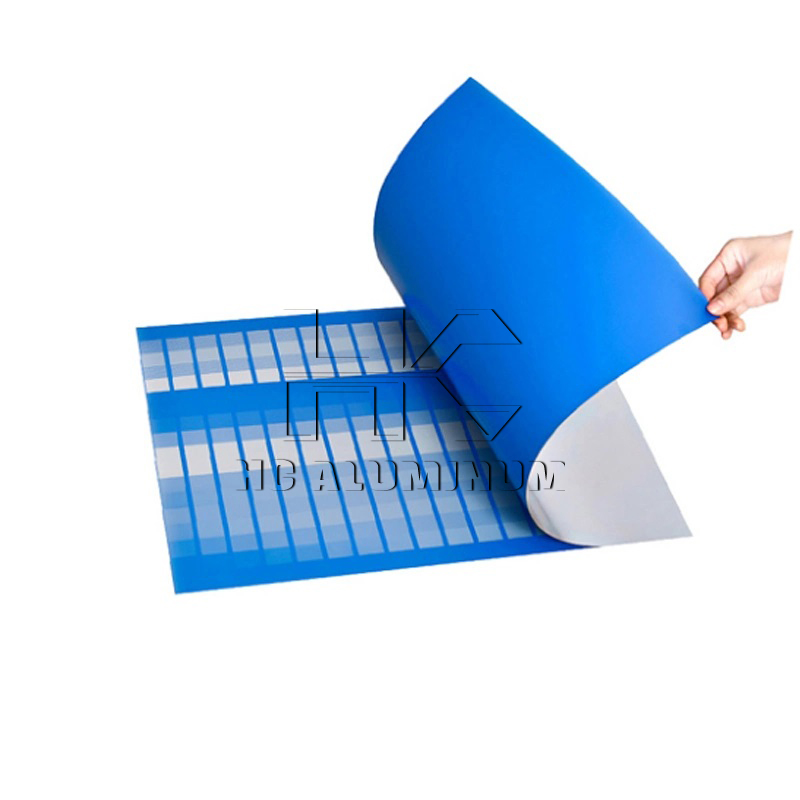
Aluminum coils for CTP/PS base plates are mostly made of high-purity aluminum alloys, such as 1050, 1060, 1100, etc. The aluminum content of these alloys is ≥99.50%, ≥99.60% and ≥99.00%, respectively. They have the advantages of high purity, low density,

Learn how a thermal CTP plate improves offset printing presses with stable imaging, faster make-ready, clean dots, and dependable performance for shops.
Hongchang Aluminum is a professional printing plate manufacturer. Its main products include PS plates, CTP plates, CTCP plates, treatment-free plates, photosensitive plates, etc.