

If you have any questions, you can directly consult our online customer service. You can visit us online via WhatsApp. We look forward to your visit.
WhatsApp:8618703635966 Online
Thermal CTP Plate vs. UV CTP Plate: Which Is Better?
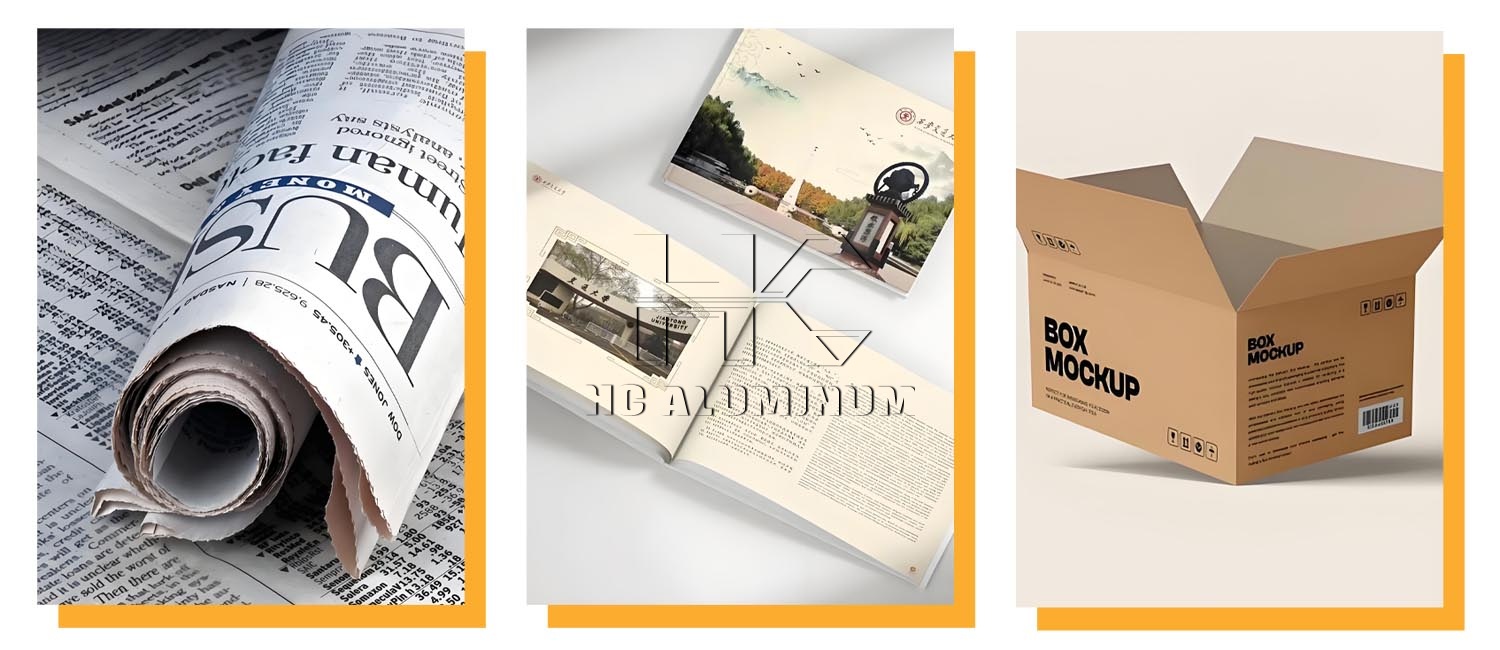
As a professional offset printing plate manufacturer, we are often asked one practical question: should a printing company choose a Thermal CTP Plate or a UV CTP Plate? The answer depends on your print quality requirements, equipment, budget, run length, and production workflow.
Both plates are widely used in modern offset printing. They can support newspapers, magazines, packaging, labels, commercial printing, and many other applications. However, they are not the same in imaging method, cost structure, stability, and press performance.
Quick Answer: Which Plate Is Better?
There is no single best choice for every printer.
Choose Thermal CTP Plate if you need high image stability, fine dot reproduction, longer run length, and consistent quality for commercial or packaging printing.
Choose UV CTP Plate if you want lower plate cost, easier transition from traditional PS plate workflows, and good performance for medium-volume printing.
In simple terms, Thermal CTP Plate is usually better for high-quality and demanding jobs, while UV CTP Plate is often better for cost-sensitive production.
What Is a Thermal CTP Plate?
A Thermal CTP Plate is imaged by a thermal laser, usually at 830 nm. It is known for stable imaging, sharp dots, and strong resistance during printing. Many high-end commercial printers and packaging printers prefer thermal plates because they offer reliable quality over long press runs.
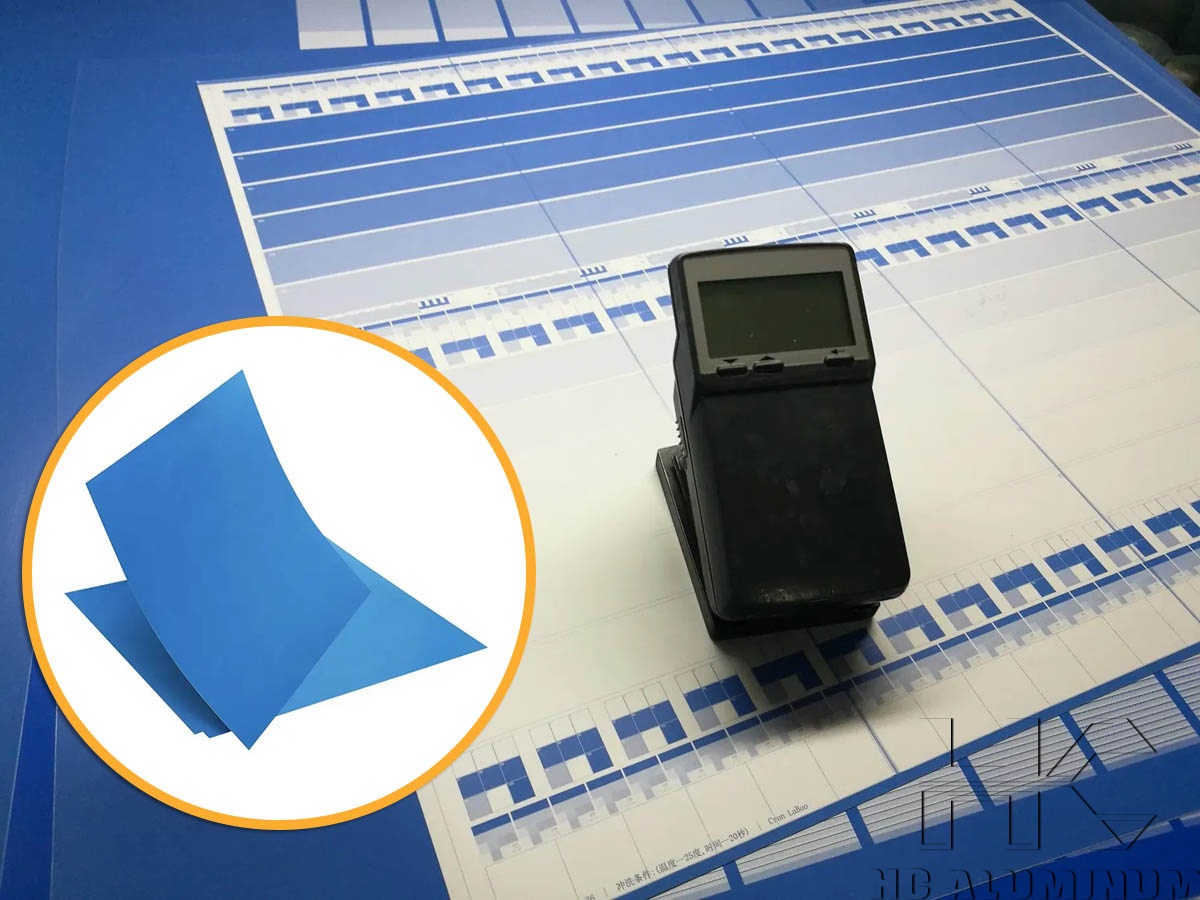
Main Advantages of Thermal CTP Plate
Excellent dot reproduction and image clarity
Strong press stability for long runs
Good resistance to chemicals and ink-water balance changes
Suitable for high-resolution commercial printing
Often preferred for packaging, books, magazines, and premium color work
Possible Limitations
Plate cost is usually higher than UV CTP Plate
Requires a thermal CTP platesetter
Some types may need more controlled processing conditions
What Is a UV CTP Plate?
A UV CTP Plate is exposed by a UV laser system. It is closely related to the traditional PS plate process, which makes it easier for many printers to adopt. For printing houses that already understand PS plate handling and processing, UV CTP can be a cost-effective upgrade.
Main Advantages of UV CTP Plate
More economical plate cost in many markets
Familiar workflow for users of conventional PS plates
Good printing performance for general commercial jobs
Suitable for newspapers, forms, books, and medium-run printing
Lower investment pressure for some printing plants
Possible Limitations
Dot stability may be slightly lower than thermal plates in demanding jobs
Run length can be shorter depending on plate type and press conditions
More sensitive to exposure and processing control
Thermal CTP Plate vs. UV CTP Plate: Key Comparison
| Comparison Item | Thermal CTP Plate | UV CTP Plate |
|---|---|---|
| Imaging method | Thermal laser exposure | UV laser exposure |
| Print quality | Very high and stable | Good for general printing |
| Dot reproduction | Excellent | Good |
| Run length | Usually longer | Medium to long, depending on type |
| Plate cost | Higher | Usually lower |
| Workflow | Modern CTP workflow | Similar to PS plate workflow |
| Best for | Packaging, premium commercial printing, long runs | Newspapers, books, forms, general commercial printing |
| Stability | Stronger under demanding conditions | Good with proper control |
Print Quality: Thermal CTP Plate Has the Advantage
For printers who focus on fine images, smooth gradients, small text, and accurate color reproduction, Thermal CTP Plate is usually the stronger option. Its imaging stability helps maintain clean dots and consistent results.
This is especially important for:
High-end brochures
Art books
Packaging boxes
Labels
Catalogs
Brand color printing
UV CTP Plate can also produce good results, but thermal plates generally perform better when the job requires very fine detail and strict color control.
Run Length and Durability
Run length is another important factor. In most cases, Thermal CTP Plate offers better durability on press, especially for medium to long print runs. It can better handle repeated contact with ink, water, blanket, and paper.
UV CTP Plate is suitable for many normal production jobs, but for extremely long runs or harsh press conditions, printers may need a baked plate or a higher-grade product to achieve similar durability.
Cost: UV CTP Plate Is Often More Economical
If the main goal is to reduce plate cost, UV CTP Plate is very attractive. Many printers choose UV CTP because it offers a good balance between performance and price.
For example, UV CTP Plate may be a practical choice for:
Newspaper printing
Book printing
Educational materials
Business forms
General commercial jobs
However, total cost should not only include plate price. Printers should also consider waste rate, press downtime, chemical consumption, dot stability, and customer quality requirements. A lower-priced plate is not always cheaper if it causes more reprints or longer setup time.
Workflow and Equipment Compatibility
Before choosing a plate, every printer should check the platesetter and processing line.
Choose Thermal CTP Plate if:
You use an 830 nm thermal CTP platesetter
You print high-value jobs with strict quality requirements
You need stable plate performance for long production runs
You want a mature solution for packaging and commercial printing
Choose UV CTP Plate if:
You use a UV CTP platesetter
Your team is familiar with PS plate processing
You want a cost-effective plate solution
Your jobs are mainly medium-run or general-purpose printing
Environmental Considerations
Both Thermal CTP Plate and UV CTP Plate can support cleaner production when used correctly. Many printers are also moving toward processless CTP plates or low-chemistry plate systems to reduce developer use and wastewater.
As a manufacturer, we recommend looking at the complete workflow, not only the plate itself. A stable plate that reduces waste, saves paper, and improves make-ready efficiency can also help reduce environmental impact.
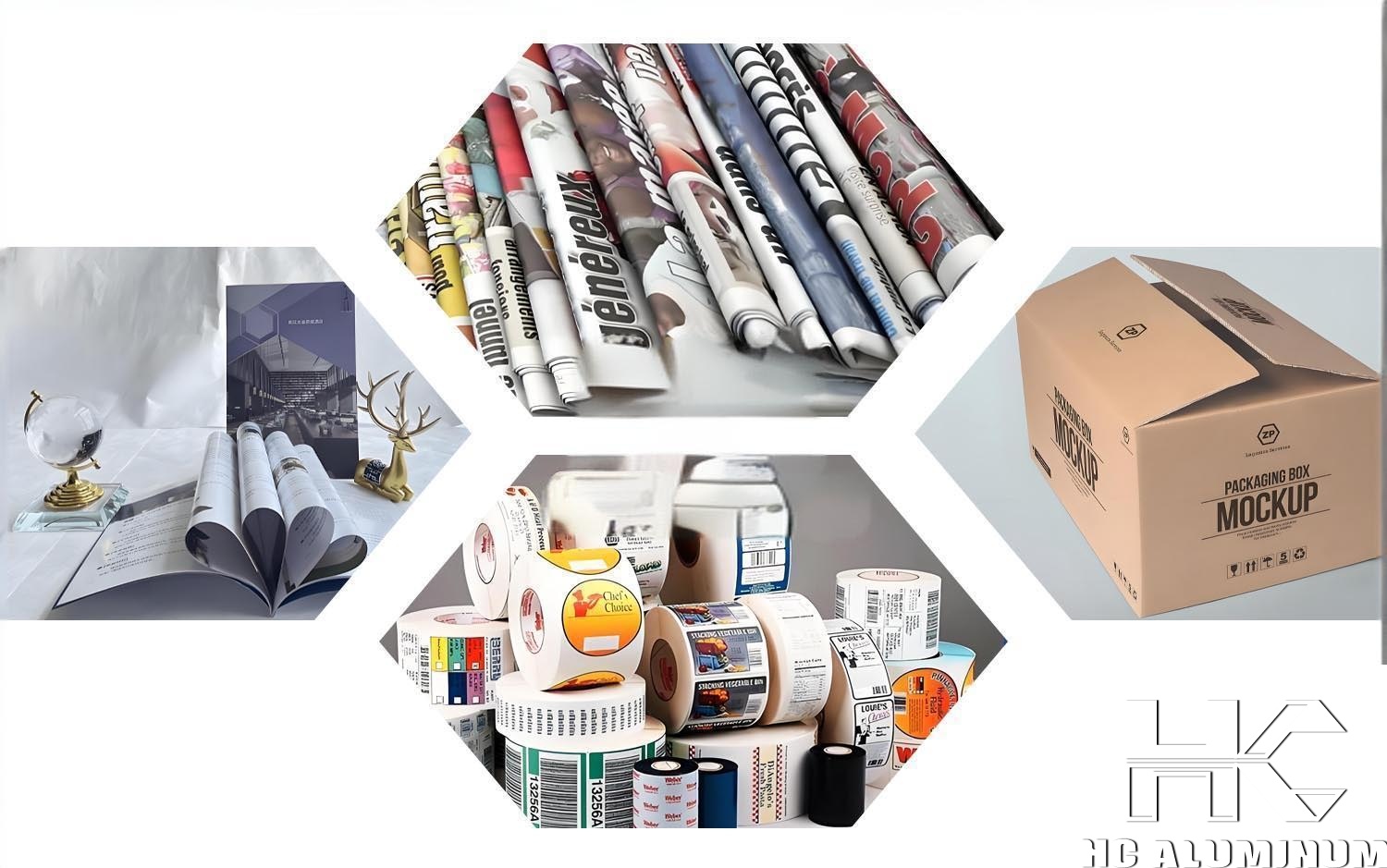
Application Guide: Which Plate Fits Your Printing Business?
For Packaging Printing
Thermal CTP Plate is usually recommended. Packaging jobs often require strong color consistency, fine graphics, and longer run length.
For Commercial Printing
Both options can work well. If your customers require premium quality, choose Thermal CTP Plate. If your jobs are price-sensitive and quality requirements are moderate, UV CTP Plate is a good option.
For Newspaper Printing
UV CTP Plate is often a practical and economical choice, especially for high-speed production where cost control is important.
For Book and Magazine Printing
Thermal CTP Plate is better for high-end magazines and image-heavy books. UV CTP Plate is suitable for standard books, textbooks, and general publications.
Our Manufacturer Perspective
From our production experience, the best plate is the one that matches the printer's actual production conditions. We manufacture different offset printing plates because different printers need different solutions.
When helping customers choose between Thermal CTP Plate and UV CTP Plate, we usually ask:
What type of platesetter do you use?
What products do you mainly print?
What is your average run length?
How strict are your color and dot requirements?
Is your priority quality, cost, or balanced performance?
What processing conditions do you use in your plate room?
With these answers, we can recommend a plate that improves efficiency and reduces production risk.
Final Recommendation
If your printing company focuses on premium quality, fine details, stable dots, and long press runs, Thermal CTP Plate is usually the better choice.
If your company wants a lower-cost plate, an easier transition from PS plate production, and reliable performance for general offset printing, UV CTP Plate may be the better choice.
In the end, Thermal CTP Plate and UV CTP Plate are both valuable solutions. The right choice depends on your equipment, print market, production volume, and quality goals. As a professional offset printing plate manufacturer, we are ready to help you select the most suitable plate for your pressroom.