

If you have any questions, you can directly consult our online customer service. You can visit us online via WhatsApp. We look forward to your visit.
WhatsApp:8618703635966 Online
Advantages and Disadvantages of Single-Layer and Double-Layer Thermal CTP Plates
Introduction
In thermal CTP plate production, one of the most common questions we hear from printers is simple: should you choose a single-layer thermal CTP plate or a double-layer thermal CTP plate? Both options are widely used in offset printing, but they serve different needs depending on press conditions, run length, and cost expectations.
As a thermal CTP plate manufacturer, we understand that choosing the right plate is not only about technical specifications. It is also about production stability, image quality, press performance, and overall printing cost. In this article, we explain the advantages and disadvantages of single-layer and double-layer thermal CTP plates in clear and practical terms.
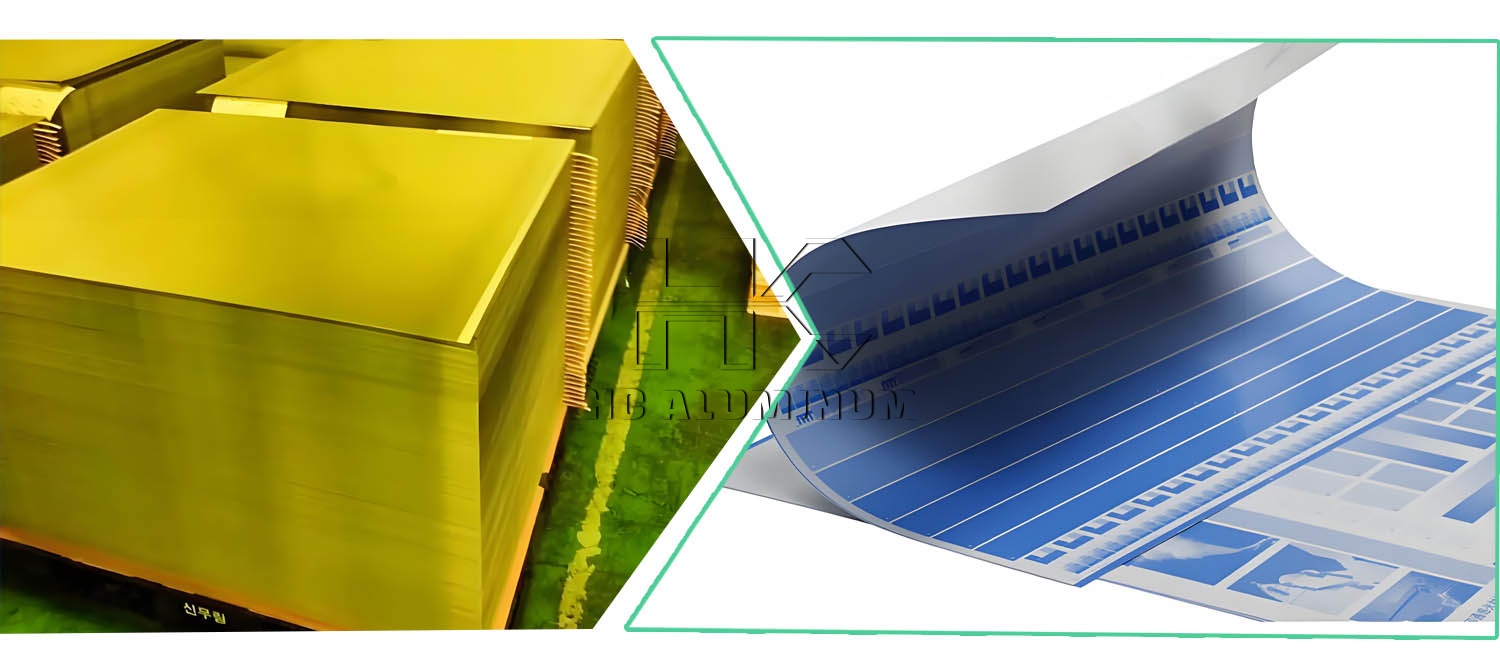
What Are Single-Layer and Double-Layer Thermal CTP Plates?
Single-Layer Thermal CTP Plates
A single-layer thermal CTP plate has one main coating layer on the aluminum base. Its structure is relatively simple, which often makes it a cost-effective and efficient choice for many standard printing jobs.
Single-layer plates are commonly used for commercial printing, short to medium print runs, and jobs where stable quality and reasonable cost are both important.
Double-Layer Thermal CTP Plates
A double-layer thermal CTP plate has two functional coating layers. This design improves plate performance in several areas, especially durability, imaging tolerance, and press resistance.
Double-layer plates are often selected for longer print runs, more demanding press environments, and printing jobs that require stronger chemical or mechanical resistance.
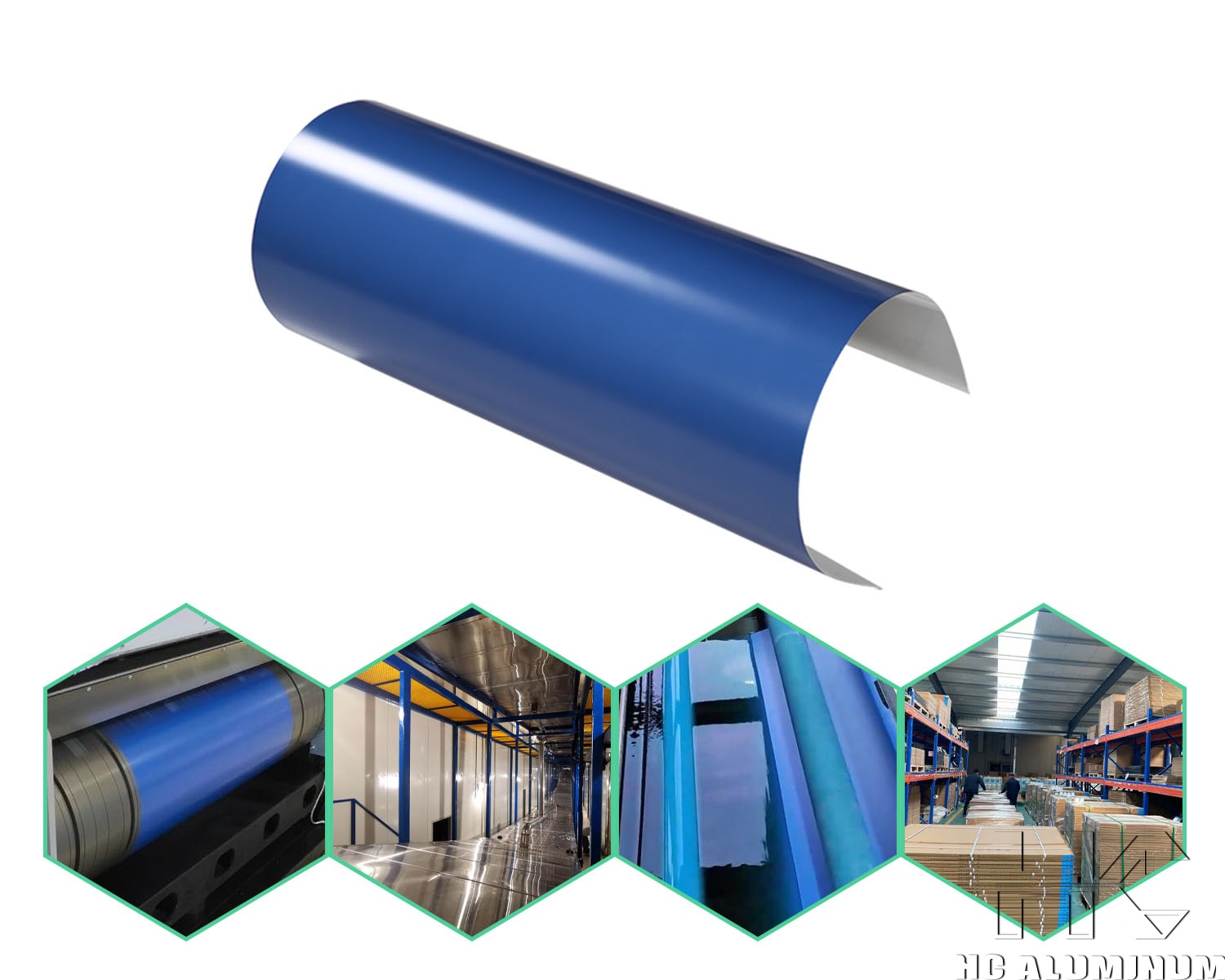
Advantages of Single-Layer Thermal CTP Plates
Lower Cost
One of the biggest advantages of single-layer thermal CTP plates is cost. Because the coating structure is simpler, manufacturing costs are usually lower. This makes single-layer plates a practical option for printers who want to control plate expenses.
Fast and Stable Imaging
Single-layer plates generally offer reliable imaging performance. In many standard CTP systems, they can deliver clear dot reproduction and consistent output, which is important for everyday commercial printing.
Easy to Use in Routine Printing
For printers handling brochures, manuals, inserts, and other common jobs, single-layer thermal CTP plates are often enough. They provide a good balance between quality, efficiency, and affordability.
Suitable for Short and Medium Runs
When the print run is not extremely long, single-layer plates can perform very well. They are widely used in jobs where high-volume durability is not the main requirement.
Disadvantages of Single-Layer Thermal CTP Plates
Lower Run Length
Compared with double-layer thermal CTP plates, single-layer plates usually have lower durability. In long-run printing, the coating may wear faster, which can affect consistency over time.
More Limited Resistance
Single-layer plates may offer less resistance to tough press conditions, aggressive fountain solutions, or heavy mechanical stress. In challenging environments, plate life may be shorter.
Less Margin for Demanding Jobs
If the printing job includes long runs, fine screen work, or high-speed press operation, a single-layer plate may not always provide the same safety margin as a double-layer plate.
Advantages of Double-Layer Thermal CTP Plates
Better Durability
The main advantage of a double-layer thermal CTP plate is stronger durability. The extra coating layer helps improve wear resistance, making the plate more suitable for long-run printing.
Improved Press Performance
Double-layer plates often perform better under demanding press conditions. They can provide greater stability when the press runs at high speed or when the production schedule is tight.
Stronger Chemical and Mechanical Resistance
Because of the more advanced coating design, double-layer thermal CTP plates generally have better resistance to scratches, chemical attack, and abrasion. This can help reduce plate remakes and improve overall efficiency.
Better for High-Quality and Long-Run Printing
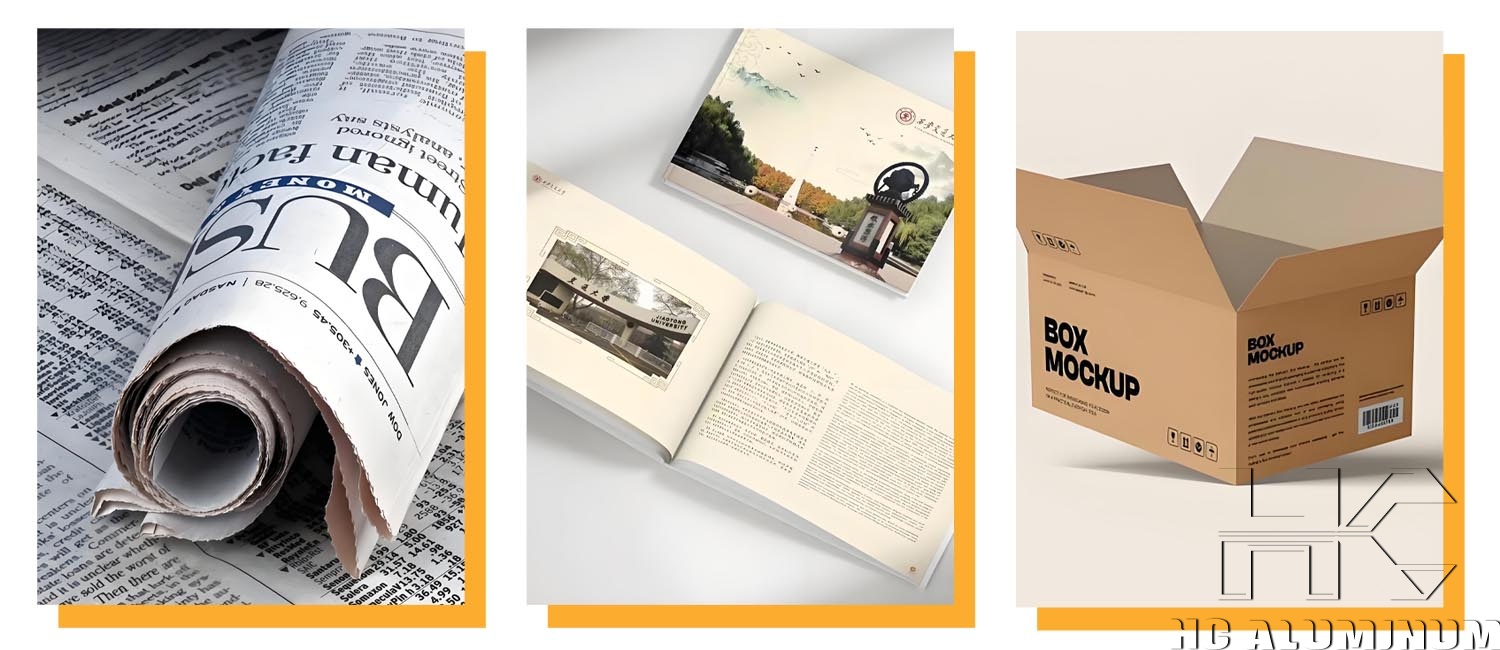
For packaging, publishing, label printing, and other applications with stricter requirements, double-layer plates are often the preferred choice. They can maintain image quality for a longer time during the print run.
Disadvantages of Double-Layer Thermal CTP Plates
Higher Cost
The improved performance of double-layer thermal CTP plates usually comes with a higher price. For printers focused mainly on reducing immediate material costs, this may be a concern.
May Be More Than Needed for Simple Jobs
Not every print job needs the extra strength of a double-layer plate. For short-run or standard commercial jobs, using a higher-performance plate may increase cost without bringing a clear benefit.
Plate Selection Needs More Consideration
Double-layer plates are excellent for demanding applications, but the choice should match actual production needs. If not, printers may end up paying for features they do not fully use.
Single-Layer vs Double-Layer Thermal CTP Plates: Key Differences
Cost
Single-layer thermal CTP plates: usually more economical
Double-layer thermal CTP plates: usually more expensive
Durability
Single-layer thermal CTP plates: suitable for short to medium runs
Double-layer thermal CTP plates: better for medium to long runs
Press Tolerance
Single-layer thermal CTP plates: good for standard press conditions
Double-layer thermal CTP plates: stronger under demanding conditions
Application Range
Single-layer thermal CTP plates: commercial printing, general jobs
Double-layer thermal CTP plates: packaging, publishing, labels, long-run jobs
How to Choose the Right Thermal CTP Plate
Choose Single-Layer Plates If:
You need a cost-effective option
Your jobs are mainly short or medium run
Your press conditions are stable and standard
You want reliable daily production at a lower plate cost
Choose Double-Layer Plates If:
You need longer run length
Your production environment is more demanding
You print packaging, labels, or high-volume jobs
You want better durability and greater press stability
Our Recommendation as a Thermal CTP Plate Manufacturer
From our experience, neither single-layer nor double-layer thermal CTP plates are universally better. The right choice depends on your actual printing needs.
If your priority is cost control and standard commercial printing, single-layer thermal CTP plates are often a smart and efficient solution. If your priority is long-run durability, stronger resistance, and stable performance in demanding applications, double-layer thermal CTP plates are usually the better investment.
As a manufacturer of thermal CTP plates, processless CTP plates, CTcP plates, PS plates, and aluminum base plates, we always recommend matching the plate type to the press environment and job structure. This helps printers achieve better performance while keeping production costs under control.
Conclusion
Single-layer and double-layer thermal CTP plates each have clear strengths and limitations. Single-layer plates offer lower cost and practical performance for everyday printing, while double-layer plates provide higher durability and stronger resistance for more demanding work.
Understanding these advantages and disadvantages can help printers make a better choice for efficiency, print quality, and long-term cost performance. If you are selecting thermal CTP plates for your business, it is worth evaluating run length, application type, and press conditions before making a final decision.
If you would like to learn more about our thermal CTP plate solutions, we are always ready to support your printing business with stable quality and professional service.