

If you have any questions, you can directly consult our online customer service. You can visit us online via WhatsApp. We look forward to your visit.
WhatsApp:8618703635966 Online
How Should CTP Plates for Newspaper Printing Be Selected?
Newspaper printing is different from commercial printing. It usually requires fast plate making, stable quality, predictable press performance, and tight cost control. As a manufacturer of thermal CTP plates, processless CTP plates, CTcP plates, PS plates, and aluminum base plates, we understand that the right plate choice can directly affect production efficiency and print consistency.
In this article, we share practical points to help newspaper printers select suitable CTP plates with confidence.
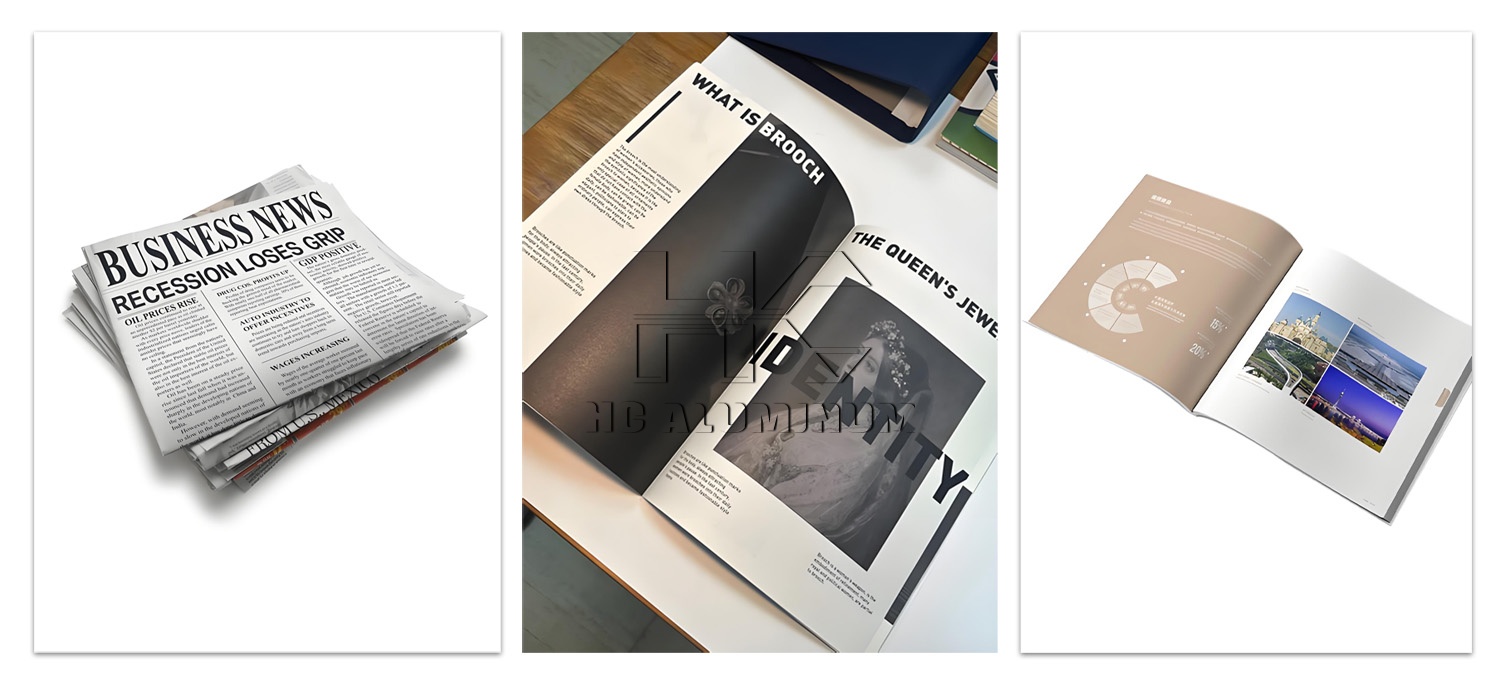
Why CTP Plate Selection Matters in Newspaper Printing
Newspaper production is time-sensitive. Plates must be imaged quickly, mounted accurately, and run smoothly on high-speed web offset presses. A plate that performs well in general printing may not always be the best choice for newspaper work.
For newspaper printing, the ideal CTP plate should offer:
Fast imaging and processing
Stable dot reproduction
Good press durability
Easy handling in daily production
Low and predictable total cost
Reliable supply and technical support
Key Factors to Consider When Choosing Newspaper CTP Plates
1. Match the Plate Type to Your Platesetter
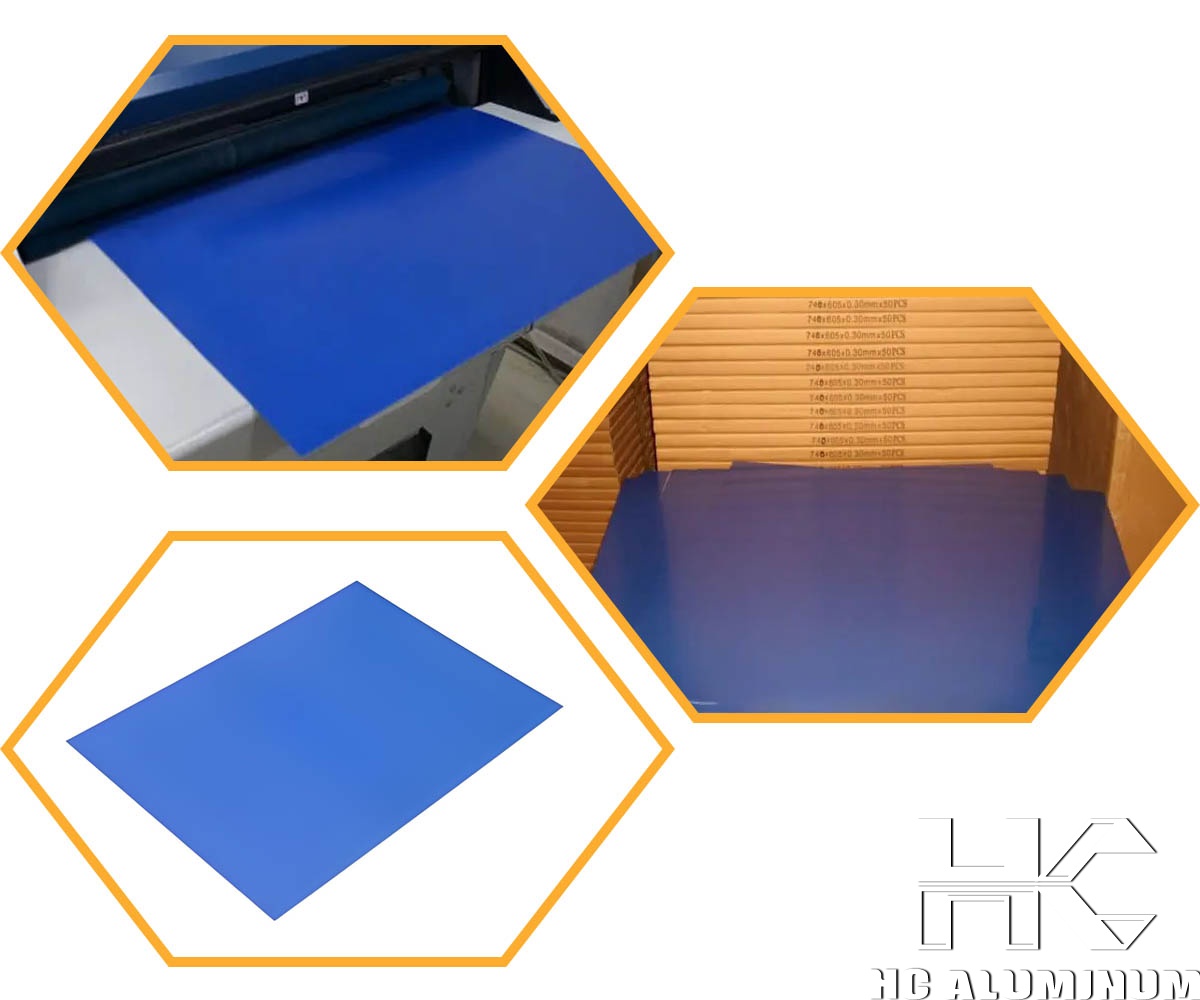
The first step is to confirm compatibility with your existing CTP equipment. Common newspaper plate options include thermal CTP plates, UV-CTP plates, and processless CTP plates.
Thermal CTP plates are widely used because they provide stable imaging quality and good press performance. UV-CTP plates can be a cost-effective choice for printers using UV-sensitive imaging systems. Processless plates reduce chemical use and simplify plate handling, which can be valuable for modern newspaper plants seeking cleaner production.
Before purchasing, confirm the laser type, exposure energy, plate size, and processing requirements with both the plate supplier and equipment provider.
2. Consider Run Length and Press Conditions
Newspaper print runs vary by market, edition, and circulation. Some newspapers need short, fast runs, while others require longer production cycles. The selected plate should match the actual run length.
For longer runs or more demanding press conditions, choose plates with stronger coating durability and good resistance to ink, fountain solution, and mechanical wear. For shorter runs, printers may focus more on imaging speed, easy operation, and cost efficiency.
3. Check Imaging Speed and Production Efficiency
Speed is critical in newspaper production. A suitable CTP plate should support fast plate output without sacrificing image quality. If plate imaging or processing is too slow, it can delay the entire press schedule.
When evaluating plates, consider:
Exposure sensitivity
Processing speed
Plate loading and handling convenience
Consistency from batch to batch
Stability under normal storage conditions
A plate with stable sensitivity helps reduce remakes and supports smoother daily production.
4. Evaluate Dot Quality and Print Stability
Newspapers require clear text, readable images, and consistent gray balance. Good dot reproduction helps maintain image sharpness and stable color performance across different editions.
A high-quality newspaper CTP plate should provide clean highlights, stable midtones, and reliable shadow detail. It should also maintain consistent water-ink balance on press, helping operators reduce adjustment time.
5. Balance Plate Cost and Total Operating Cost
The lowest plate price is not always the lowest production cost. In newspaper printing, hidden costs can come from plate remakes, press downtime, chemical consumption, waste paper, and inconsistent quality.
When comparing CTP plates, we recommend looking at total cost, including:
Plate purchase price
Developer or processor cost, if required
Waste and remake rate
Press start-up time
Maintenance requirements
Labor and environmental management cost
For some newspaper printers, processless CTP plates may reduce chemical handling and simplify workflow. For others, conventional thermal or UV-CTP plates may provide the best balance of cost and performance.
Which CTP Plate Types Are Commonly Used for Newspapers?
Thermal CTP Plates
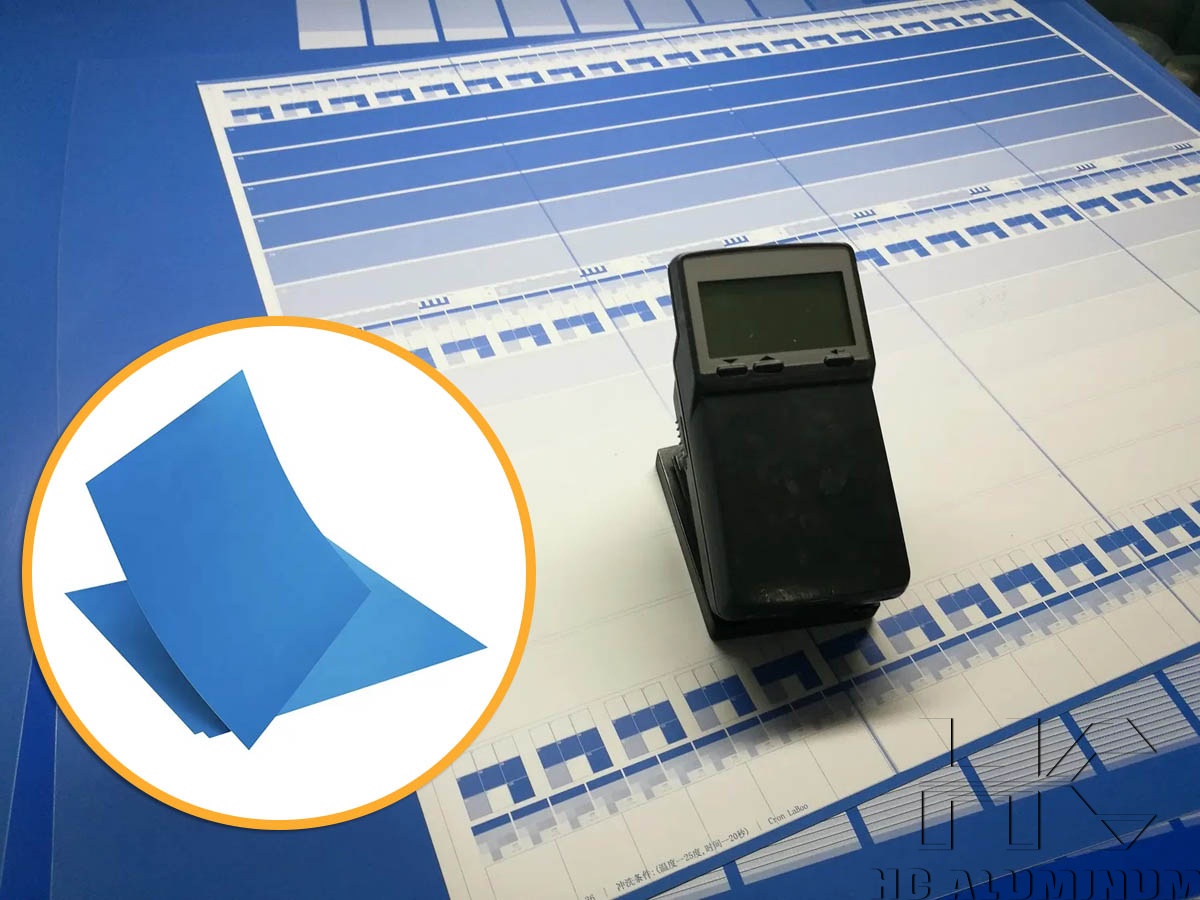
Thermal CTP plates are a reliable option for many newspaper printers. They offer stable imaging, strong dot reproduction, and good press performance. They are suitable for pressrooms that require consistent quality and controlled production.
Processless CTP Plates
Processless plates are designed to reduce or remove traditional chemical processing. They can help simplify production, reduce wastewater, and improve the working environment. They are especially suitable for printers moving toward cleaner and more efficient newspaper production.
UV-CTP Plates
UV-CTP plates are suitable for UV imaging systems and can be an economical choice for newspaper printers with compatible equipment. They provide practical performance for high-volume production when matched correctly with the pressroom workflow.
Practical Selection Checklist
Before choosing CTP plates for newspaper printing, we suggest checking the following points:
Is the plate compatible with your CTP platesetter?
Does the plate support your required imaging speed?
Can it handle your normal newspaper run length?
Is the dot quality stable enough for text and images?
Does it perform well with your ink and fountain solution?
Is storage and handling convenient for your pressroom?
What is the real total cost, not only the plate price?
Can the supplier provide stable quality and technical support?
Why Work With a Professional CTP Plate Manufacturer?
As a professional offset printing plate manufacturer, we do more than supply plates. We help customers choose the right plate based on their equipment, press conditions, run length, and quality expectations.
Our product range includes thermal CTP plates, processless CTP plates, CTcP plates, PS plates, and aluminum base plates. With stable production control and technical experience, we support newspaper printers in improving efficiency, reducing waste, and maintaining reliable print quality.
Conclusion
Selecting CTP plates for newspaper printing should be based on compatibility, speed, run length, print stability, and total cost. The best plate is not simply the cheapest one, but the one that helps your pressroom print faster, waste less, and deliver consistent newspaper quality every day.
If you are planning to upgrade your newspaper plate solution, we recommend testing plates under real production conditions. This is the most practical way to confirm performance and choose the right CTP plate for your pressroom.