

If you have any questions, you can directly consult our online customer service. You can visit us online via WhatsApp. We look forward to your visit.
WhatsApp:8618703635966 Online
High Sensitivity Thermal Ctp Plate
What a High Sensitivity Thermal CTP Plate Is
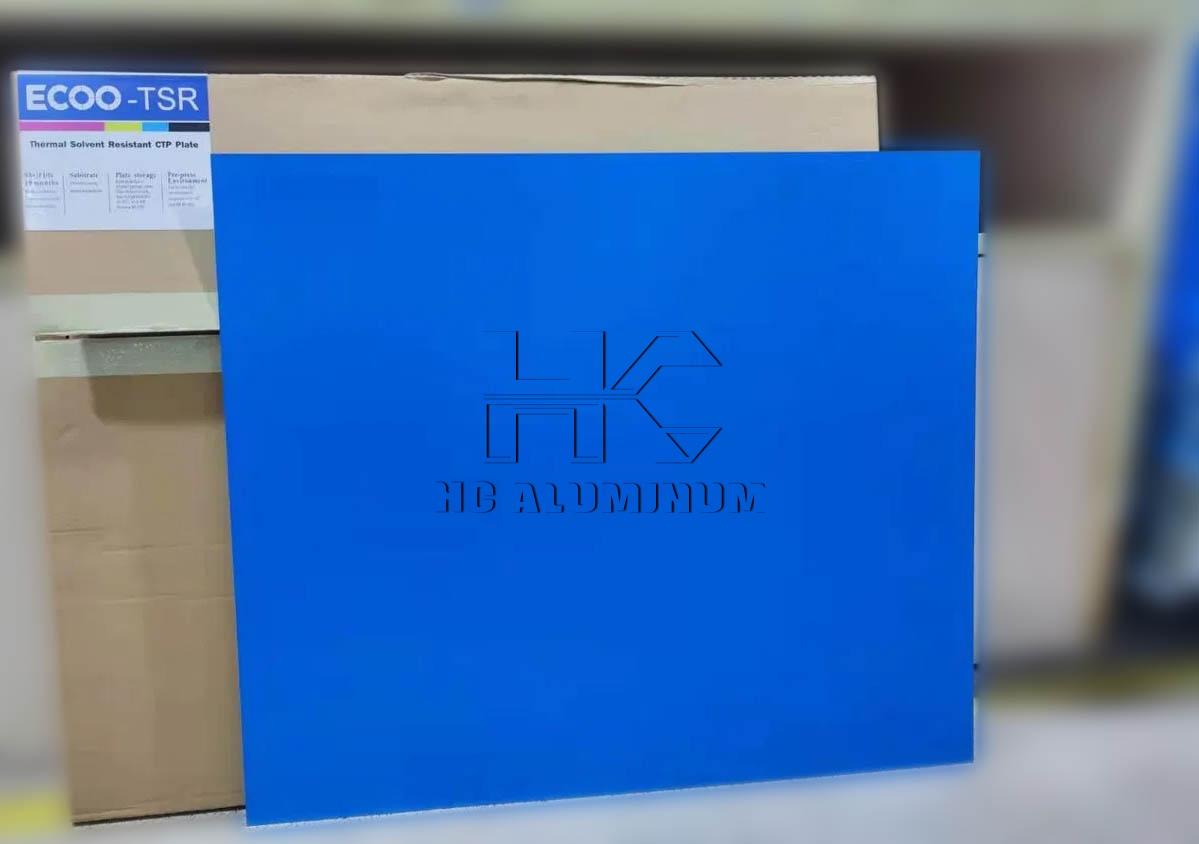
A high sensitivity thermal CTP plate is an offset lithographic printing plate designed for imaging on thermal platesetters, typically using an 830 nm infrared laser. "High sensitivity" means the coating reaches the required image formation at lower imaging energy (mJ/cm²) compared with standard thermal plates.
In production terms, higher sensitivity is not just about faster imaging. It also affects imaging tolerance, dot reproduction, and how stable results are when multiple plates are made across shifts, different lots, or different platesetters.
How It Works: Materials and Imaging Mechanism
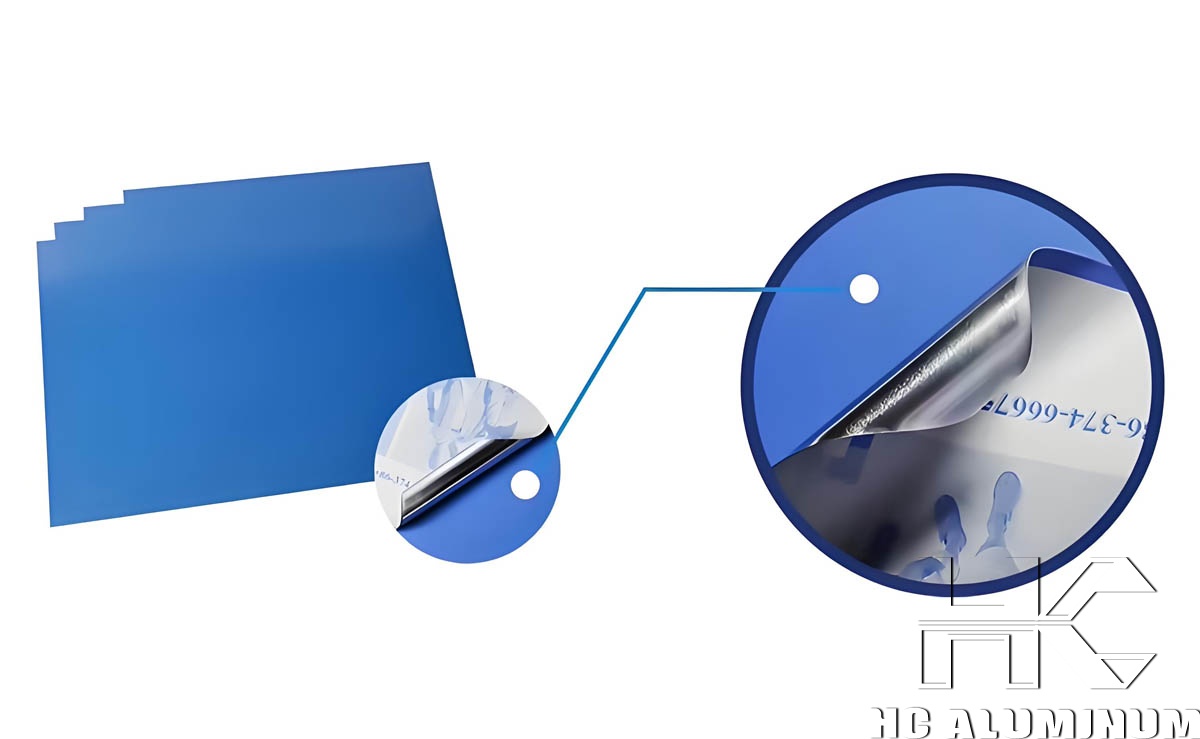
Aluminum base: graining, anodizing, and water balance
Every thermal plate starts with an aluminum base that is engineered for consistent dampening behavior and coating adhesion:
Electrochemical graining creates a controlled micro-rough surface that helps hold the fountain solution and supports stable ink-water balance.
Anodizing grows an aluminum oxide layer that improves hydrophilicity, corrosion resistance, and mechanical durability.
A post-anodic treatment (often sealing or chemical treatment) helps tune water receptivity and long-term stability on press.
If the graining/anodizing is inconsistent, you see it on press as unstable water balance, scumming sensitivity, or variation in dot gain from plate to plate.
Coating: thermal response and adhesion
The coating on a thermal plate is engineered to respond to heat generated by the 830 nm laser spot. Depending on plate type, the coating may:
Change solubility in developer (positive/negative working thermal plates).
Crosslink or decompose locally to form image/non-image areas.
For high sensitivity designs, the coating chemistry and absorber efficiency are tuned so image formation occurs at lower exposure energy while maintaining:
Coating adhesion to anodized aluminum (important for run length and scratch resistance).
Controlled dot edge definition (to avoid fuzzy highlights or plugged shadows).
Resistance to press chemicals (fountain solution additives, plate cleaners, and certain UV/LED UV inks where applicable).
Imaging energy, resolution, and dot reproduction
Thermal plates are commonly imaged at 2400 dpi (or higher depending on device and screening). In real-world prepress, plate performance is judged by:
Minimum reproducible dot (highlights) without drop-out.
Shadow stability without filling.
Consistency of the tone value increase (TVI/dot gain) curve.
High sensitivity helps when output speed is a constraint, but it must be balanced against tolerance to small energy changes. Plates that are too "tight" on energy can show noticeable curve shifts if the platesetter power calibration drifts.
Why High Sensitivity Matters in Production
1) Throughput and imaging head life
Lower imaging energy can support:
Higher platesetter throughput (more plates per hour at a given power level).
Reduced stress on the laser system (depending on how the workflow is configured).
However, the practical benefit depends on the platesetter model, drum speed limits, and whether your bottleneck is imaging, processing, or press changeover.
2) Wider imaging tolerance and repeatability
In stable production, you want a plate that is forgiving to normal variations:
Minor laser power variation across the drum.
Environmental changes (temperature/humidity) affecting plate handling.
Batch-to-batch coating response.
From a manufacturing standpoint, this is why process control on coating weight, drying, and anodic layer uniformity directly impacts the pressroom's daily consistency.
3) Press latitude and on-press stability
"Press latitude" for plates is a combination of:
Clean non-image background (hydrophilic stability).
Resistance to toning during long runs.
Mechanical durability (especially on abrasive stocks).
A high sensitivity thermal plate should still maintain a predictable balance between image strength and non-image cleanliness, so operators are not forced to over-correct with fountain settings.
Key Performance Factors Printers Should Evaluate
Imaging window (mJ/cm²) and calibration behavior
Ask for the recommended imaging energy range and verify it against your platesetter's actual measured output. In our application work, the most stable setups are those where the target energy sits comfortably inside the plate's operating window, not right at the edge.
Practical checks:
Output a control wedge and confirm repeatable solid density and highlight dots over multiple plates.
Re-check after scheduled head maintenance or seasonal temperature swings.
Dot quality with modern screening
High sensitivity plates should support:
AM screening (e.g., 150-200 lpi typical commercial work).
FM/stochastic screening (more demanding on coating uniformity and grain structure).
If you run FM screening, pay close attention to microdot stability and background cleanliness during long runs.
Run length and chemistry resistance
Run length depends on the plate type, press conditions, and what you print:
Paper grade (coated vs uncoated, recycled content).
Fountain solution conductivity and pH.
Ink system (conventional vs UV/LED UV).
Use of plate cleaners and desensitizers.
A plate that images easily but has weak mechanical resistance will show premature wear, especially in solid areas and on abrasive substrates.
Storage stability and handling robustness
Real production issues we see often relate to plate storage and handling:
Sensitivity drift if plates are stored in high heat or near solvent vapors.
Oxidation or contamination on the plate surface leading to scumming.
Scratches before imaging causing random print defects.
Good practice: keep plates in original packaging, control warehouse temperature/humidity, and avoid prolonged exposure to strong light and chemical fumes.
How to Choose the Right High Sensitivity Thermal Plate
Match the plate to your workflow (processing and compatibility)
Before switching, confirm:
Platesetter wavelength compatibility (830 nm thermal is the standard for thermal imaging).
Processor condition and developer control (for processed thermal plates): temperature, replenishment, conductivity, and dwell time.
Gumming and drying steps are stable to prevent oxidation and improve on-press start-up.
If your goal is to reduce chemistry and simplify compliance, a processless thermal option may be worth evaluating, but it should be tested for your typical coverage, run lengths, and press chemistry.
Consider the job mix: commercial vs packaging
Commercial work (brochures, catalogs, magazines) typically prioritizes predictable dot gain curves, clean highlights, and fast make-ready.
Packaging may demand stronger abrasion resistance, better solid durability, and compatibility with specific inks and coatings.

Evaluate cost efficiency beyond plate price
A high sensitivity plate can reduce total cost when it improves:
Make-ready time (faster clean-up to stable color).
Plate remakes (fewer failures due to tight imaging tolerance).
Downtime (less frequent recalibration or processor troubleshooting).
We recommend comparing plates based on the full workflow: imaging speed, remakes, processor stability, and press stop causes.
Where High Sensitivity Thermal CTP Plates Perform Best
High sensitivity thermal plates are most beneficial when:
Your platesetter is a throughput constraint and you need faster imaging without sacrificing dot quality.
You run multiple presses or shifts and need stable results across operators and time.
Your prepress environment experiences moderate variability, and you need a plate with a practical imaging window.
You require consistent quality at 2400 dpi or higher for fine text, vignettes, and screened images.
Practical Implementation Notes From Manufacturing and Application Support
From our manufacturing perspective, stable field performance is driven by repeatable control of:
Aluminum graining parameters and anodic layer thickness.
Surface treatment for hydrophilicity and contamination resistance.
Coating formulation, filtration, coating weight uniformity, and curing/drying conditions.
From the user side, the most important controls are:
Regular platesetter calibration (power and focus checks).
Tight processor control (if applicable) and clean rollers.
Simple, consistent plate handling to protect the anodized surface.
When these controls are in place, a high sensitivity thermal CTP plate becomes a reliable tool: not only for faster output, but for consistent dot reproduction, stable press latitude, and predictable day-to-day production results.