

If you have any questions, you can directly consult our online customer service. You can visit us online via WhatsApp. We look forward to your visit.
WhatsApp:8618703635966 Online
What Exactly Is the CTP Plate Commonly Referred to in the Printing Industry?
In the printing industry, the term CTP plate is mentioned very often. For many print buyers, new printing companies, or people entering offset printing for the first time, it may sound technical. In fact, a CTP plate is not difficult to understand.
As a professional manufacturer of thermal CTP plates, processless CTP plates, CTCP plates, PS plates, and aluminum base plates, we work with printing plates every day. In this article, we will explain what a CTP plate is, how it is used, and why it has become a standard choice in modern offset printing.
What Does CTP Plate Mean?
CTP stands for Computer-to-Plate. A CTP plate is a printing plate that receives digital image information directly from a computer-controlled platesetter.
In simple terms, the printing file is sent from the computer to the CTP machine, and the image is exposed directly onto the plate. This plate is then mounted on an offset printing press to transfer ink and produce printed products.
Before CTP technology became common, many printers used film to make plates. CTP removed the film step, making plate production faster, cleaner, and more accurate.
How Does a CTP Plate Work?
A CTP plate works as the image carrier in offset printing. The surface of the plate is specially treated so that image areas and non-image areas behave differently during printing.
The Basic Working Process
A digital printing file is prepared on a computer.
The file is sent to a CTP platesetter.
The platesetter exposes the image onto the CTP plate.
Depending on the plate type, the plate may be processed or used directly.
The finished plate is mounted on the offset press.
Ink is transferred from the plate to the blanket and then onto paper or other materials.
This process helps printers achieve sharp dots, stable color, and consistent print quality.
Why Is the CTP Plate Important in Offset Printing?
The CTP plate is a key part of offset printing because it directly affects image quality, production efficiency, and printing stability.
A good CTP printing plate should provide clear imaging, stable ink-water balance, strong press durability, and reliable performance during long print runs. For commercial printers, packaging printers, newspaper printers, and label printers, plate quality can influence both production cost and customer satisfaction.
Common Types of CTP Plates
Different printing plants use different CTP plates according to their equipment, production needs, and cost control goals. As a plate manufacturer, we usually see the following main types in the market.
Thermal CTP Plate
Thermal CTP plates are widely used in commercial printing and packaging printing. They are exposed by thermal laser energy and are known for high imaging accuracy, stable performance, and good press life.
Thermal plates are suitable for high-quality jobs such as brochures, magazines, books, folding cartons, posters, and premium packaging.
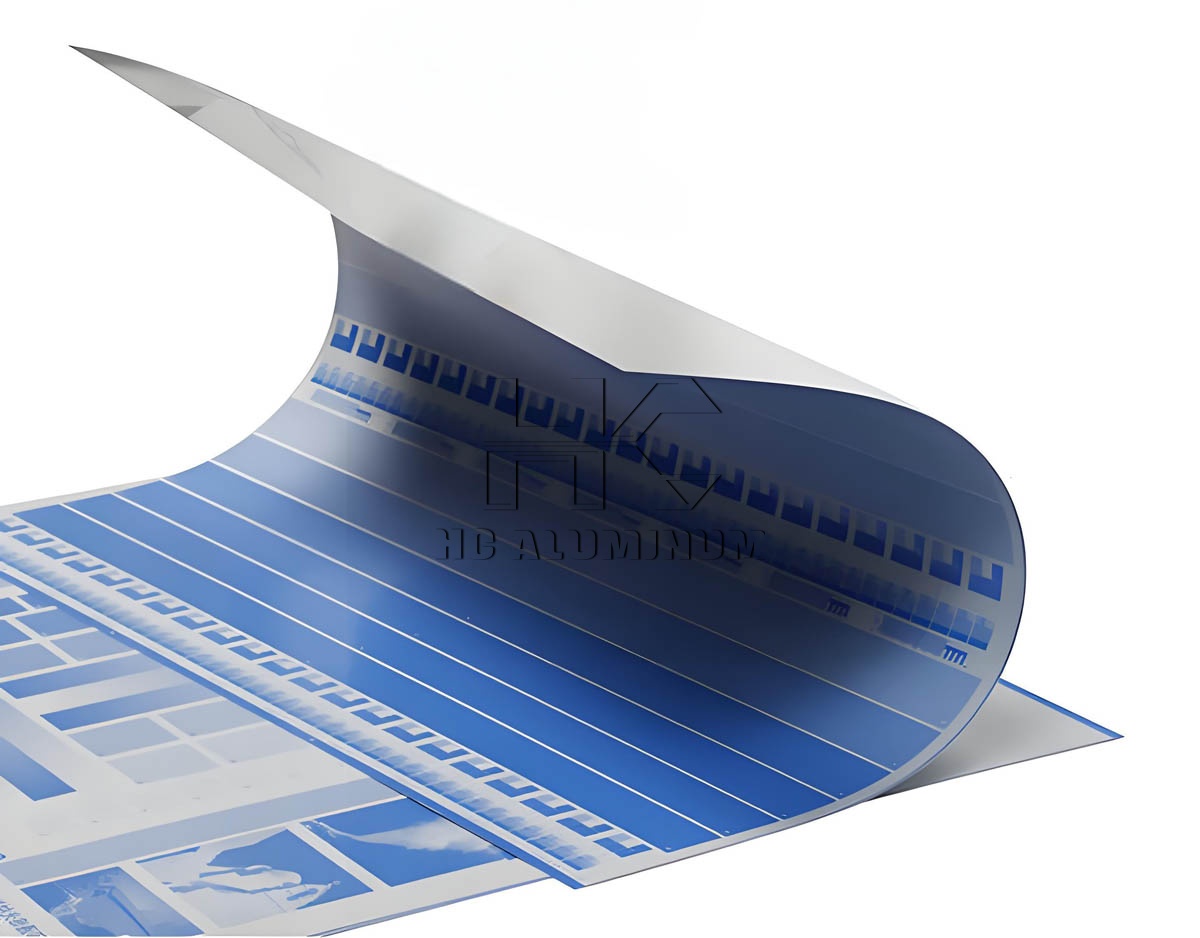
Processless CTP Plate
Processless CTP plates are designed to reduce or remove the traditional chemical processing step. After exposure, the plate can usually go directly to the press or require only minimal handling.
This type of plate helps printing companies reduce processor maintenance, save water, reduce chemical waste, and create a cleaner working environment. It is a popular choice for printers who want more sustainable production.
UV-CTP Plate
UV-CTP plates are exposed by UV laser systems. They are often used by printers who operate UV-CTP or CTcP equipment. These plates can offer a practical balance between performance and cost, especially for printers upgrading from traditional PS plate workflows.
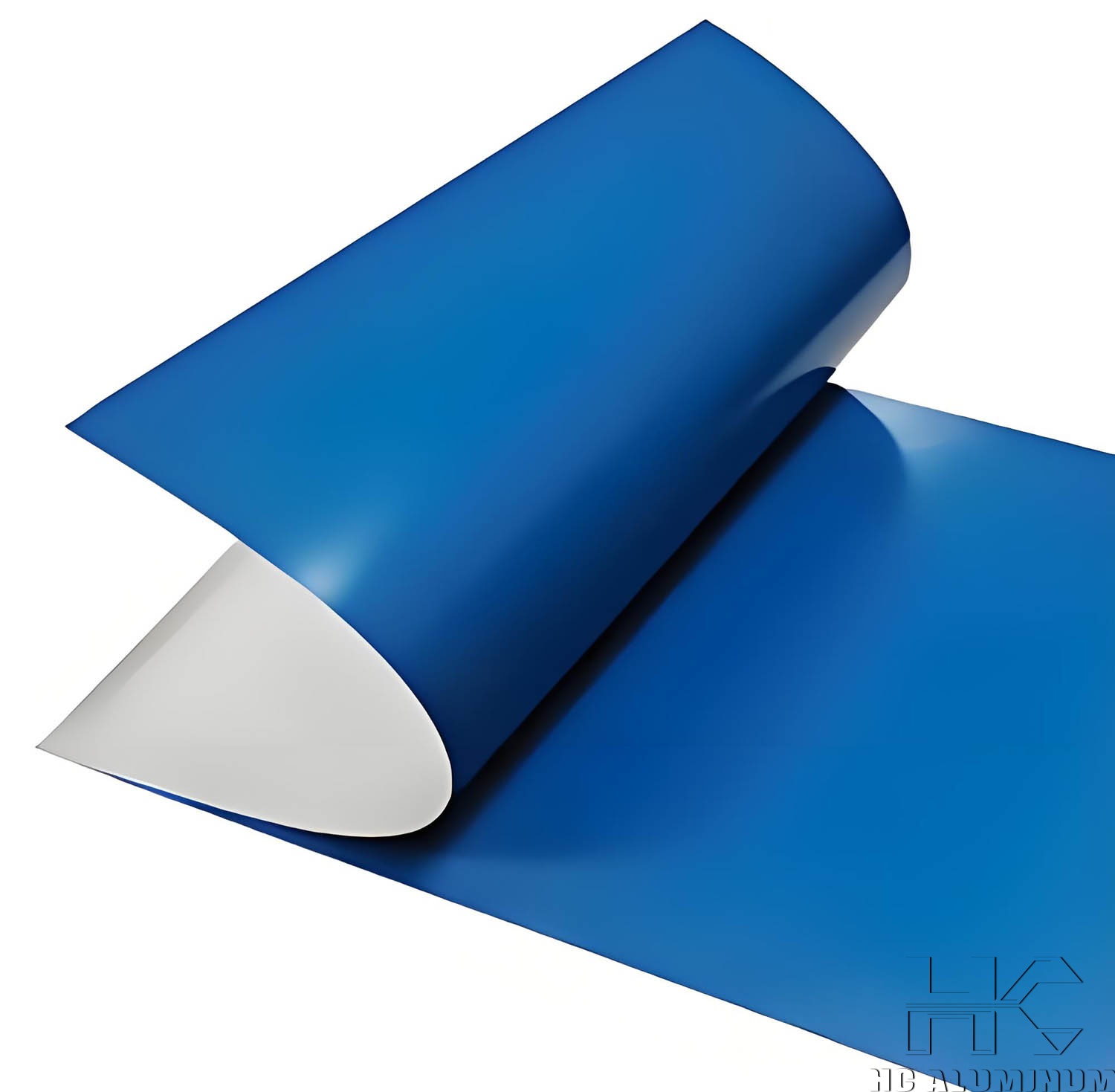
CTcP Plate
CTcP means Computer-to-Conventional Plate. It uses digital exposure technology with conventional-style plates. For some printers, CTcP can be a cost-effective solution because it allows them to use certain existing workflows while improving production efficiency.
PS Plate
PS plates, also called presensitized plates, are traditional offset printing plates. Although CTP plates are now more common in many markets, PS plates are still used in some printing plants because of their familiar workflow and stable performance.
Where Are CTP Plates Used?
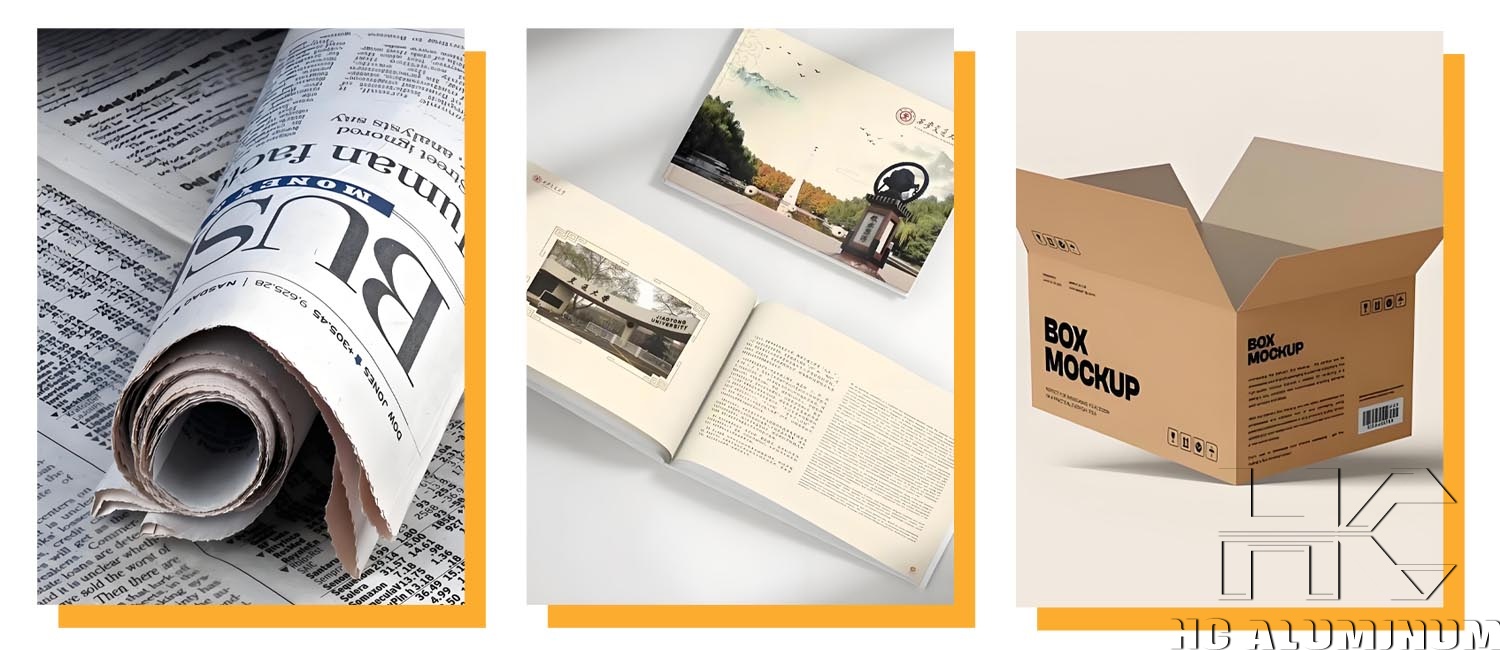
CTP plates are used in many offset printing applications. Common examples include:
Newspapers
Magazines
Books
Catalogs
Brochures
Packaging boxes
Paper bags
Labels
Posters
Commercial printed materials
Because offset printing remains efficient for medium and large-volume production, CTP plates continue to play an important role in the global printing industry.
Main Benefits of Using CTP Plates
Faster Plate Making
CTP technology sends digital files directly to the plate, reducing steps and shortening preparation time.
Better Image Accuracy
Since there is no film transfer, dot reproduction is more accurate and image details are clearer.
More Stable Printing Quality
High-quality CTP plates help maintain stable ink transfer, color consistency, and press performance.
Lower Production Waste
Accurate plate imaging can reduce plate remakes, paper waste, and adjustment time on press.
Cleaner Workflow
Especially with processless CTP plates, printers can reduce chemical use and simplify plate room management.
How to Choose the Right CTP Plate
Choosing the right CTP plate depends on several practical factors.
Your Platesetter Type
Different platesetters require different plates, such as thermal CTP plates, UV-CTP plates, or CTcP plates. The plate must match the exposure system.
Your Printing Application
Packaging, newspaper, commercial, and label printing may require different plate durability and imaging performance.
Your Run Length
Short-run jobs may focus more on efficiency and cost, while long-run jobs require stronger press durability.
Your Environmental Goals
If your company wants to reduce chemicals and water use, processless CTP plates may be a good choice.
Your Press Conditions
Ink type, paper type, fountain solution, press speed, and operator habits can all influence plate performance.
Our View as a CTP Plate Manufacturer
From our manufacturing experience, a CTP plate is more than a simple consumable. It is an important bridge between digital prepress and final printed products.
We focus on stable aluminum base quality, uniform coating, reliable exposure performance, and consistent batch control. These details help printers achieve smoother plate making, easier press operation, and more predictable print results.
Whether our customers need thermal CTP plates, processless CTP plates, UV-CTP plates, CTcP plates, PS plates, or aluminum base plates, our goal is to provide products that match real printing conditions and support efficient production.
Conclusion
A CTP plate, or Computer-to-Plate printing plate, is the image carrier used in modern offset printing. It allows digital files to be transferred directly onto the plate, helping printers improve speed, accuracy, and consistency.
For printing companies, choosing the right CTP plate can improve production efficiency, reduce waste, and support stable print quality. As a professional printing plate manufacturer, we believe that a reliable plate is one of the foundations of successful offset printing.