

If you have any questions, you can directly consult our online customer service. You can visit us online via WhatsApp. We look forward to your visit.
WhatsApp:8618703635966 Online
Standard Sizes of Thermal CTP Plates
In the modern offset printing industry, thermal CTP (Computer-to-Plate) plates have become the mainstream choice due to their high imaging accuracy, stable performance, and excellent compatibility with advanced CTP systems.
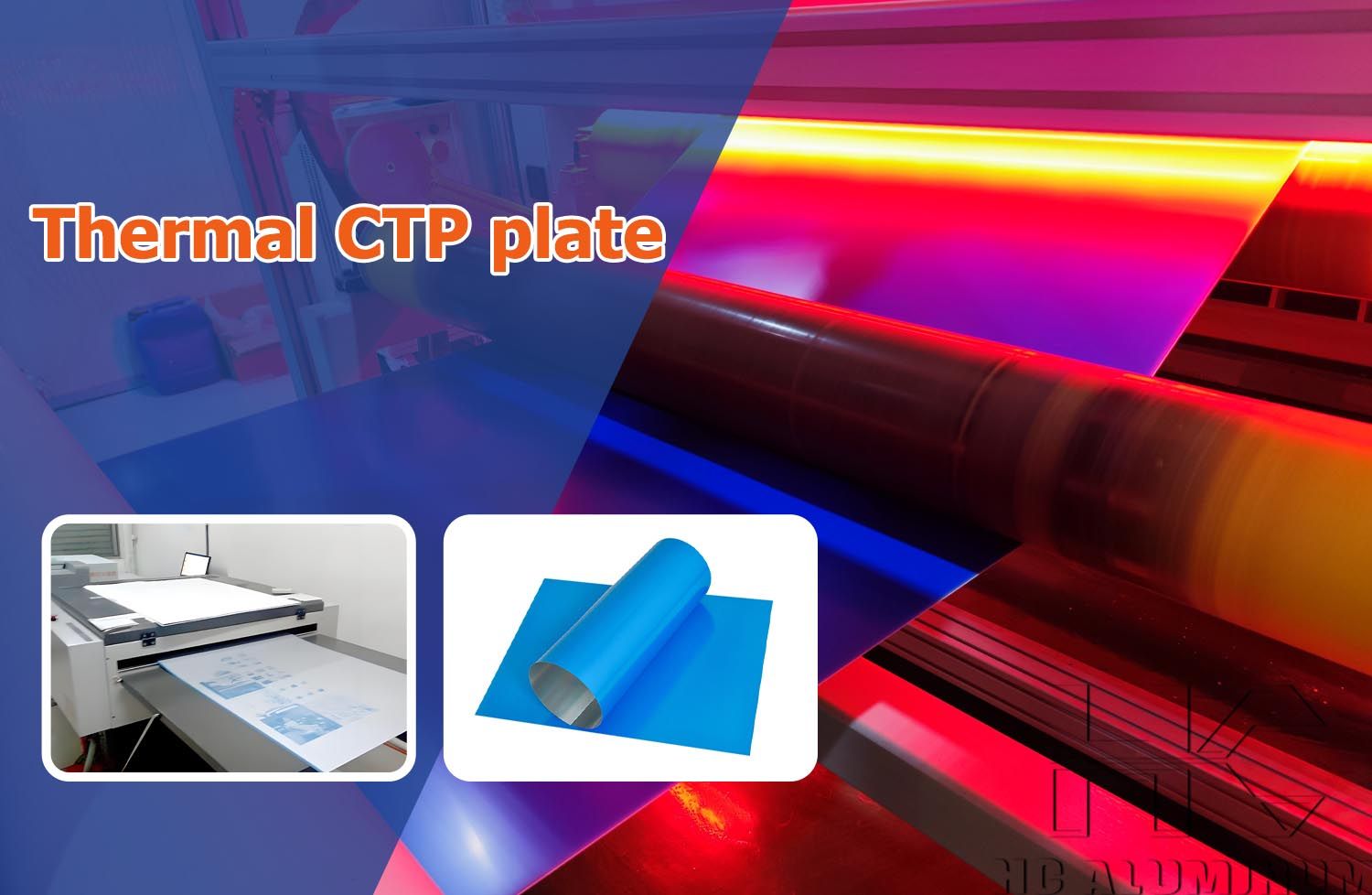
A thermal CTP plate is an aluminum-based printing plate coated with a thermally sensitive imaging layer. It is imaged by an 830 nm thermal laser CTP setter without the use of film, significantly improving prepress efficiency.
According to the imaging mechanism, thermal CTP plates are mainly classified into thermal cross-linking type, thermal ablation (thermal melting) type, and processless type. Among them, the thermal cross-linking type forms images through a thermal cross-linking reaction, the thermal ablation type relies on thermal melting, while the processless type can be printed directly without chemical development. As a common product category, positive-working thermal CTP plates comply with the technical standard HG/T 3804-2006, which specifies requirements such as press life and dot reproduction accuracy, and are suitable for 830 nm imaging devices.
Performance Advantages of Thermal CTP Plates
1.High resolution: Thermal CTP plates support dot reproduction from 1% to 99%, meeting the requirements of high-quality printing.
2.Excellent durability: The aluminum substrate provides superior wear resistance, allowing press runs of over 350,000 impressions (unbaked).
3.Environmentally friendly: No traditional chemical processing (such as developers) is required, reducing waste treatment costs and environmental impact.
4.Daylight operation: Thermal CTP plates are insensitive to ambient light and can be handled under normal room light conditions without a darkroom.
5.Structural stability: Made with high-quality aluminum bases (1050/1060) and advanced coating technology, thermal CTP plates offer strong adhesion between coating and substrate, good ink–water balance, and reduced paper waste during printing.
6.High production efficiency: Fully compatible with digital workflows, significantly reducing manual plate correction and improving overall productivity.
Why Plate Size Matters for Thermal CTP Printing
Selecting the correct standard thermal CTP plate size directly affects:
Compatibility with CTP setters
Printing efficiency and waste reduction
Plate utilization rate
Production cost and inventory management
Using standardized plate sizes helps printers streamline workflows and avoid unnecessary plate remaking or material waste.
Common Standard Sizes of Thermal CTP Plates
| Category | Size | Typical Applications |
| Small format | 370 × 470 mm | Commercial printing, short-run jobs, small offset presses |
| 400 × 500 mm | ||
| 450 × 520 mm | ||
| Medium format | 510 × 400 mm | Sheet-fed offset presses, book printing, package inserts, commercial catalogs |
| 605 × 745 mm | ||
| 670 × 800 mm | ||
| Large format | 800 × 1030 mm | Large-volume printing, newspaper presses, packaging and carton printing |
| 820 × 1030 mm | ||
| 900 × 1130 mm | ||
| 1030 × 1300 mm |
Thickness Options for Thermal CTP Plates
In addition to length and width, plate thickness is another critical specification.
Standard thicknesses include:
0.15 mm: Commonly used for newspaper printing and small-batch commercial printing.
0.20 mm: A standard thickness for general commercial printing applications.
0.25 mm: Suitable for packaging printing and longer press runs.
0.30 mm: Ideal for high-speed or heavy-duty packaging applications and extended press runs.
0.40 mm: Designed for special applications requiring high rigidity.
Thicker plates (0.30-0.40 mm) are typically used for large-volume printing and high-speed presses, while thinner plates (0.12–0.15 mm) are more economical for short-run printing jobs.
How to Choose the Right Thermal CTP Plate Size
When selecting thermal CTP plate sizes, consider the following factors:
1.CTP machine compatibility:
Ensure the plate size matches the minimum and maximum imaging dimensions of your CTP system.
2.Press format:
The plate size must be compatible with the cylinder circumference and configuration of the printing press.
3.Production volume:
Larger plates are more efficient for high-volume production, while smaller plates help reduce material waste for short runs.
4.Cost optimization:
Using standard sizes generally lowers procurement costs and shortens delivery times.
Website: https://www.printarea-plate.com/a/standard-sizes-of-thermal-ctp-plates.html
Keyword: 830 nm thermal CTP plate thermal offset printing plate thermal CTP plate size CTP plate thermal CTP plate manufacturer aluminum substrate aluminum-based thermal CTP plate 1050 aluminum sheet 1060 aluminum sheet CTP aluminum base plate