

If you have any questions, you can directly consult our online customer service. You can visit us online via WhatsApp. We look forward to your visit.
WhatsApp:8618703635966 Online
What Factors Should You Consider When Buying Thermal CTP Plates in 2026?
Choosing the right thermal CTP plates is an important decision for any offset printing business. The plate affects image quality, production speed, press stability, waste levels, and overall printing cost. In 2026, printers also need to consider shorter delivery cycles, rising quality expectations, environmental requirements, and the need for dependable technical support.
As a manufacturer of thermal CTP plates, processless CTP plates, CTcP plates, PS plates, and aluminum base plates, we recommend evaluating more than the purchase price. The best thermal CTP plate is the one that works reliably with your CTP machine, processing workflow, inks, fountain solution, press conditions, and typical print jobs.
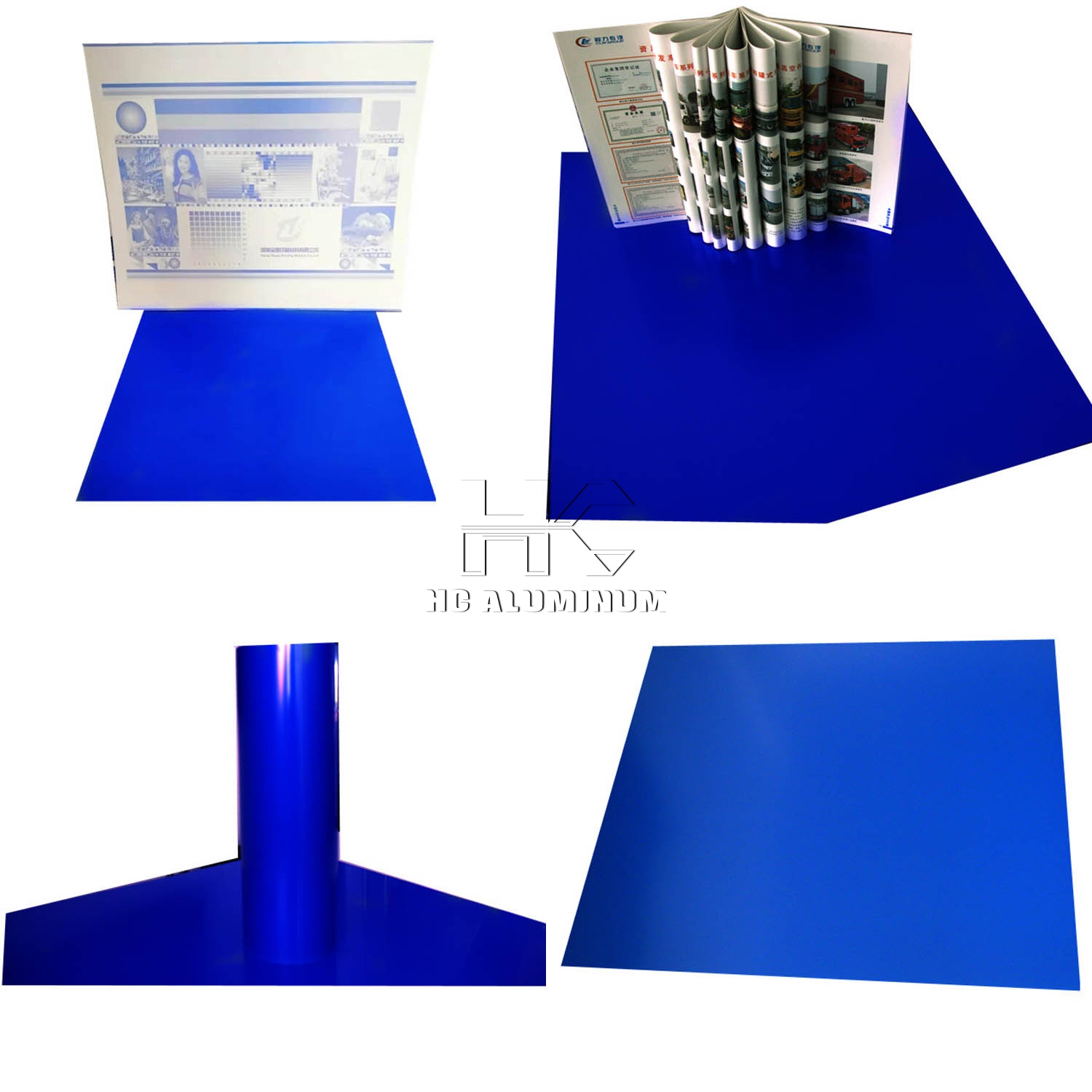
1. Confirm Compatibility With Your CTP System
The first question is whether the thermal CTP plate is suitable for your existing platesetter. Thermal plates are generally exposed by thermal laser systems, commonly operating at around 830 nm. However, different CTP machines, laser powers, and imaging settings may require different plate sensitivities.
Before placing an order, confirm the following details:
CTP machine brand and model
Laser wavelength and laser power
Required plate sensitivity
Maximum and minimum plate size
Plate thickness your equipment can handle
Recommended imaging energy and processing conditions
A compatible plate helps you achieve sharp dots, stable image reproduction, and fewer remakes. We always recommend running a trial before moving to large-volume purchasing, especially when changing from another plate supplier.
2. Match Plate Run Length to Your Printing Jobs
Run length means how many impressions a plate can produce before image quality begins to decline. Your expected print volume should strongly influence your choice of thermal CTP plates.
For Short and Medium Runs
For commercial printing, book printing, brochures, manuals, and fast-turnaround work, a standard thermal CTP plate may provide the right balance of quality and cost. These plates are often a practical choice when jobs change frequently and ultra-long durability is not required.
For Long Runs and Demanding Press Conditions
For packaging, publishing, high-volume catalogues, and repeat production, consider a higher-durability or double-layer thermal CTP plate. These products are designed to offer stronger resistance to wear and can help maintain consistent results on longer runs.
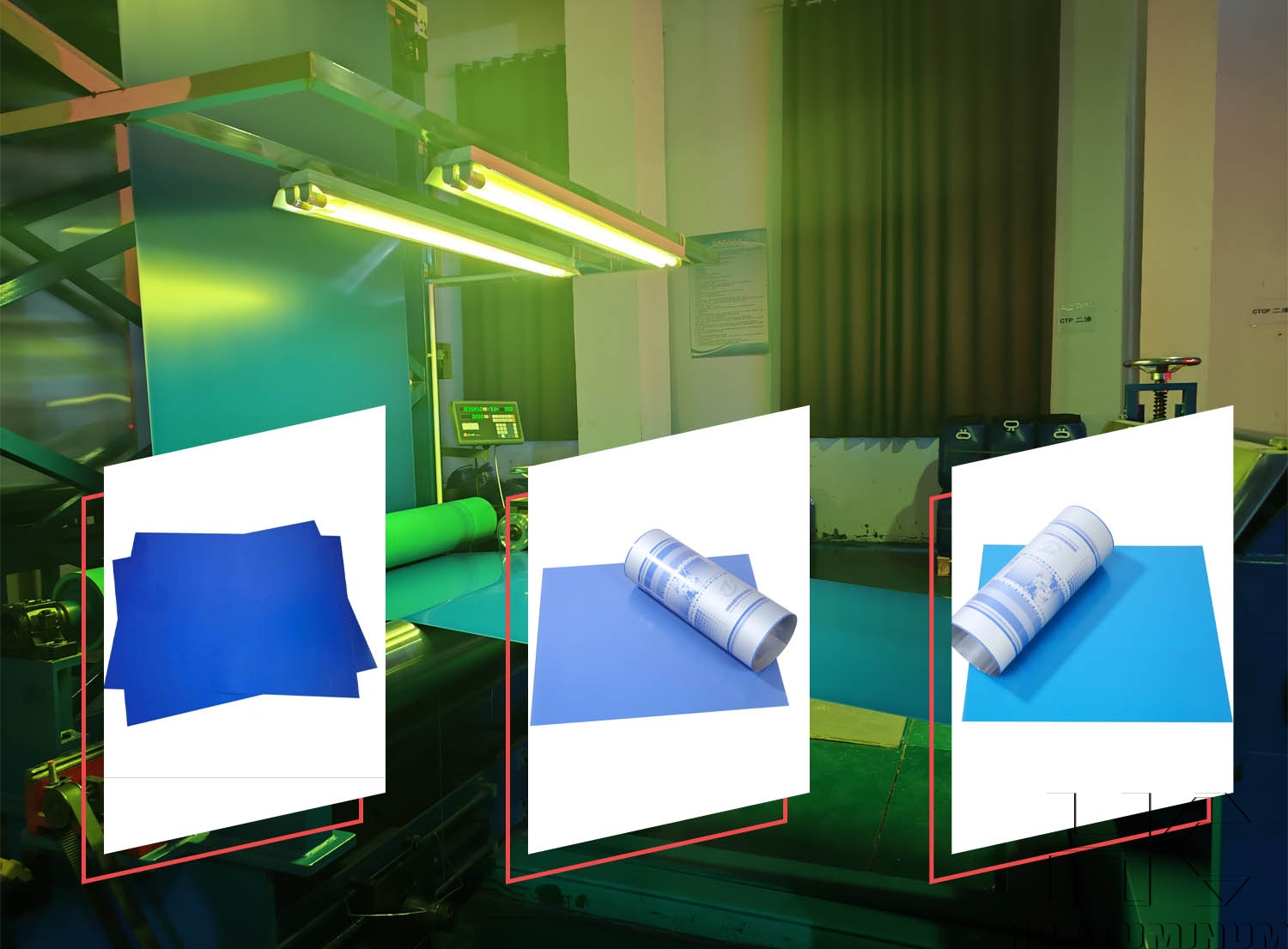
When evaluating run length, also consider whether your press uses UV inks, aggressive fountain solutions, abrasive paper, or frequent wash-ups. These factors can shorten plate life and may require a more durable plate coating.
3. Evaluate Imaging Quality and Dot Reproduction
A quality thermal CTP plate should reproduce fine details clearly and consistently. This is especially important for jobs involving small text, barcodes, security elements, delicate highlights, smooth gradients, and high-resolution images.
Key quality points to assess include:
Sharp line and text reproduction
Stable halftone dots
Clean highlights and shadow detail
Good ink-water balance on press
Low tendency for scumming or toning
Consistent results across multiple plate batches
For packaging, labels, and premium commercial printing, even a small variation in dot quality can affect the final product. We recommend asking your supplier for plate samples and conducting a press test using your actual artwork, paper, ink, and press settings.
4. Consider Processing Requirements and Workflow
Thermal CTP plates are available for different workflows. Some require a traditional developing process, while others may reduce chemistry use or support cleaner processing methods.
Conventional Processed Thermal Plates
Processed plates remain a dependable choice for many offset printers. They can provide stable imaging and reliable press performance when the processor is correctly maintained. However, they require developer, replenisher, cleaning, and proper chemical control.
Low-Chemistry or Processless Alternatives
If your company wants to reduce chemical consumption, simplify plate handling, or lower wastewater management needs, you may also consider low-chemistry or processless CTP plate options. The right choice depends on your press conditions, job types, production volume, and environmental targets.
When comparing workflows, look beyond plate price. Include the cost of chemistry, processor maintenance, labor, water, disposal, and downtime.
5. Check Aluminum Base Quality and Plate Consistency
The aluminum base is the foundation of every CTP plate. A well-produced aluminum substrate supports stable coating performance, accurate imaging, and good press durability.
As a plate manufacturer, we pay close attention to aluminum quality, graining, anodizing, coating uniformity, and batch consistency. These details can influence how the plate images and performs on press.
Ask potential suppliers about their quality-control process, including:
Aluminum base plate consistency
Coating uniformity
Plate thickness tolerance
Surface cleanliness
Batch traceability
Packaging and transport protection
A plate that performs well in one shipment but changes noticeably in the next can cause production disruptions. Consistency is often more valuable than a small difference in unit price.
6. Choose the Right Plate Thickness and Size
Thermal CTP plates are supplied in different thicknesses and cut sizes. The correct specification should fit your platesetter, printing press, and job requirements.
Common plate thickness choices may include thin plates for smaller presses and thicker plates for larger-format or longer-run applications. Your supplier should be able to provide precise cutting, reliable edge quality, and packaging that protects plates from scratches, bending, and moisture during transport.
Before ordering, confirm:
Plate width and length
Thickness requirement
Grain direction if required by your workflow
Punching or bending requirements
Packaging quantity per carton
Storage conditions at your facility
7. Compare Total Cost, Not Only Plate Price
The lowest-priced thermal CTP plate is not always the most economical option. A plate with unstable processing, short press life, frequent remakes, or poor ink-water balance can create higher hidden costs.
To make a fair comparison, calculate the total cost of ownership:
Plate purchase price
Imaging and processing cost
Chemistry and processor maintenance
Plate remake rate
Press start-up time
Paper and ink waste
Production downtime
Technical support and delivery reliability
A stable, high-quality plate can reduce waste and help your press reach color faster. Over time, this may provide greater savings than choosing the lowest initial plate price.
8. Assess Supplier Reliability and Technical Support
Thermal CTP plates are a production material, so dependable supply matters. A capable supplier should offer consistent quality, clear product specifications, responsive communication, and stable delivery schedules.
We recommend choosing a supplier that can provide:
Samples for testing
Professional plate selection advice
Technical support for imaging and press issues
Consistent production batches
Flexible plate sizes and packaging options
Timely export documentation and shipping support
Long-term supply capacity
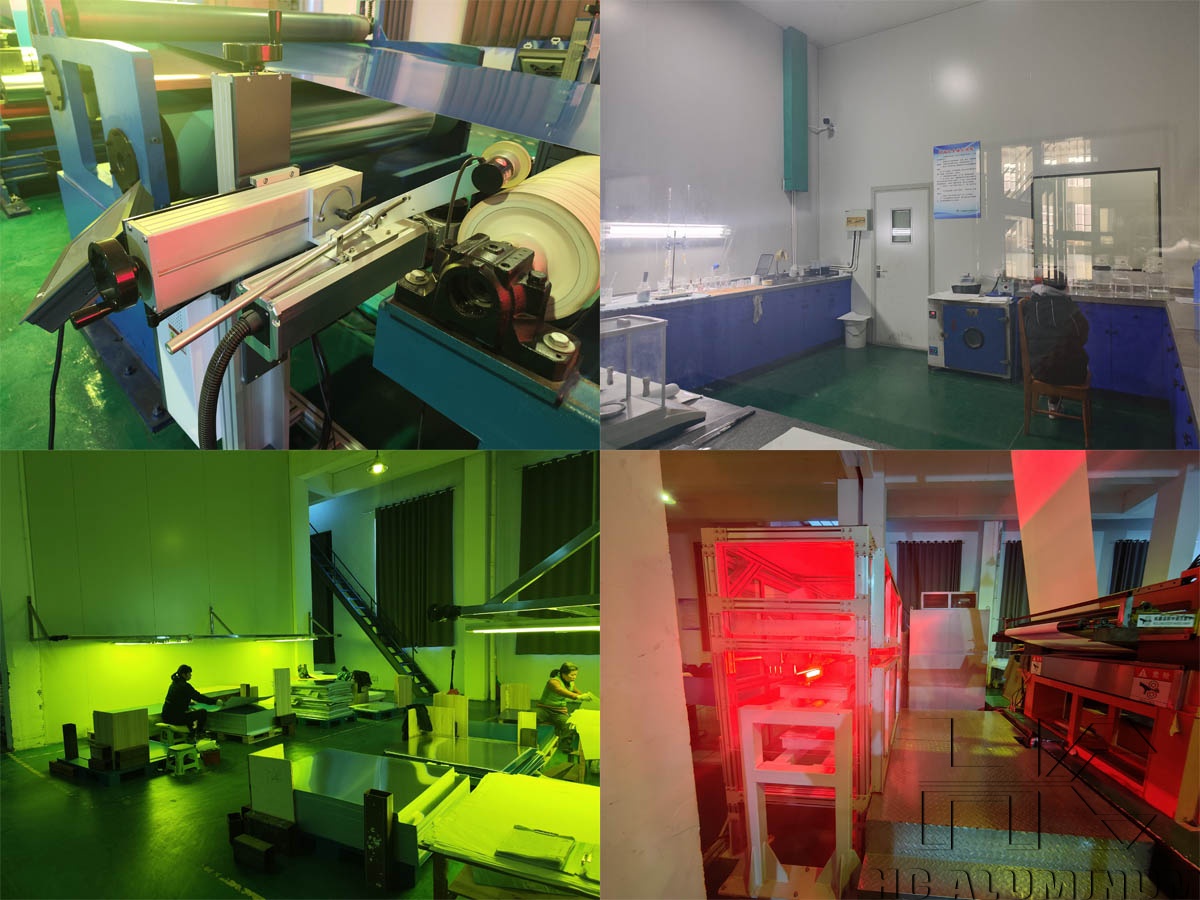
A strong supplier relationship is particularly valuable when you encounter changes in press conditions, raw materials, job requirements, or environmental regulations.
9. Consider Sustainability and Workplace Requirements
In 2026, more printing companies are reviewing their environmental footprint and workplace safety practices. When buying thermal CTP plates, consider products and workflows that can help reduce chemical use, water consumption, waste, and unnecessary energy use.
You may want to ask suppliers about:
Low-chemistry or processless options
Packaging reduction measures
Product storage life
Waste handling recommendations
Compliance documentation where needed
Manufacturing quality and traceability systems
Sustainable choices should still meet your production requirements. The goal is to find a plate solution that supports both reliable printing and practical environmental improvements.
10. Test Before You Commit to Large Orders
Even when specifications look suitable, an on-press test is the best way to confirm performance. Every print shop has unique conditions, including machine maintenance, water quality, ink brand, paper type, operator habits, and job mix.
During a plate trial, evaluate:
Imaging speed and image clarity
Processor performance, if applicable
Ease of plate mounting
Ink-water balance
Start-up waste and make-ready time
Dot stability during the run
Plate durability and final print quality
Performance across repeated jobs
Testing allows you to compare actual results instead of relying only on product claims.
Final Thoughts
When buying thermal CTP plates in 2026, focus on compatibility, run length, imaging quality, workflow requirements, aluminum base quality, total production cost, and supplier support. The right plate should deliver stable performance from imaging through to the final printed sheet.
As a professional printing plate manufacturer, we believe the best solution begins with understanding your equipment, press conditions, and job requirements. By testing the right thermal CTP plate and working with a dependable supplier, you can improve efficiency, reduce waste, and maintain consistent offset printing quality.
Keyword: thermal CTP plates thermal CTP plate supplier offset printing plates double-layer thermal CTP plates CTP plate compatibility thermal CTP plate run length CTP plate imaging quality printing plate manufacturer aluminum base plate
Previous: Thermal CTP Plate for Offset Printing
Next: This is the last one!