

If you have any questions, you can directly consult our online customer service. You can visit us online via WhatsApp. We look forward to your visit.
WhatsApp:8618703635966 Online
How to Store Thermal CTP Plates Properly
Thermal CTP plates are designed to deliver stable imaging quality and reliable press performance. However, correct storage is just as important as correct imaging and processing. Heat, moisture, direct light, poor handling, and damaged packaging can affect plate quality before the plate reaches the CTP device.
As a professional printing plate manufacturer, we recommend storing thermal CTP plates in a clean, controlled environment and following the storage instructions provided for the specific plate product. The practical steps below can help printers protect plate performance and reduce unnecessary waste.
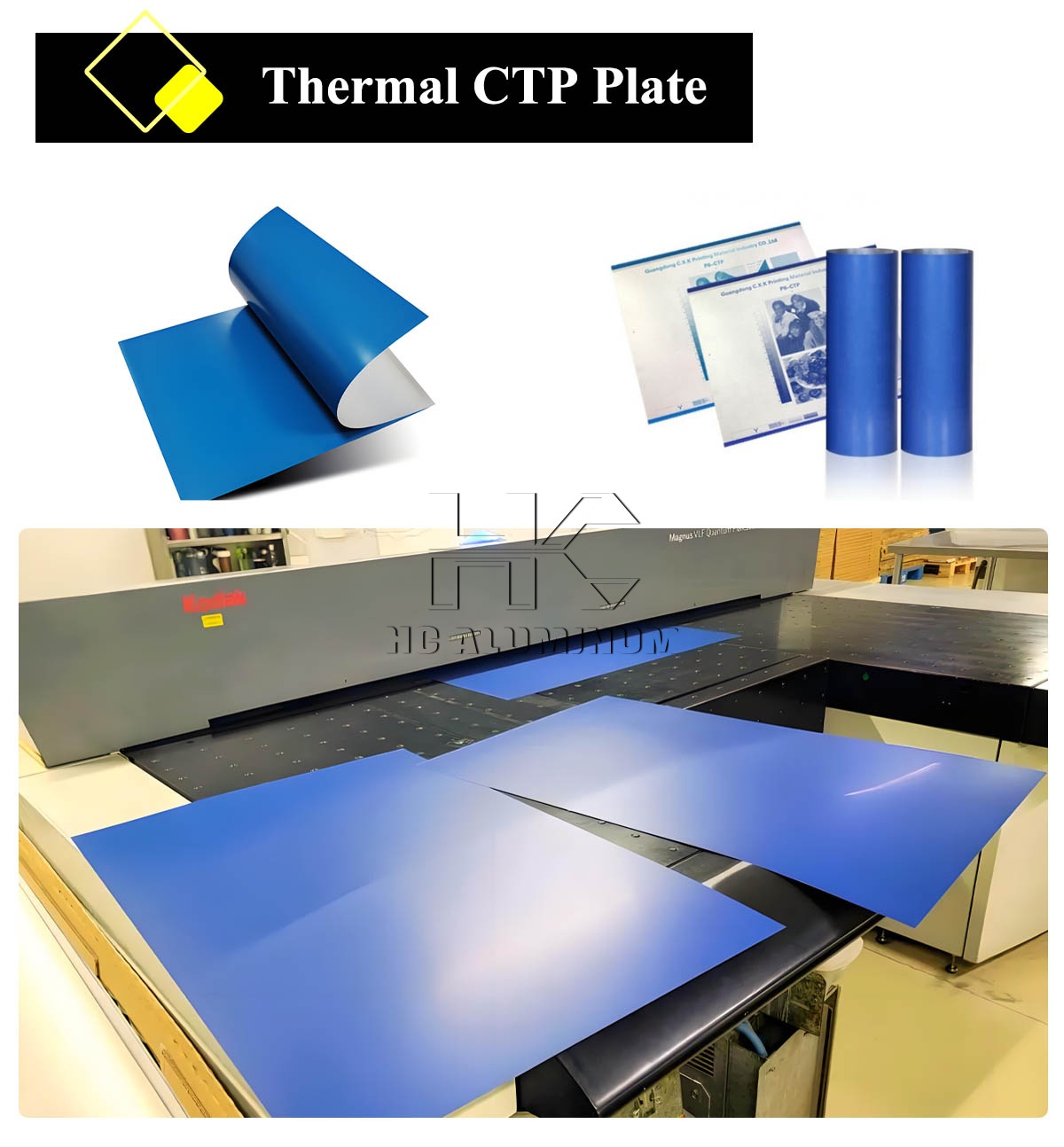
Why Proper Thermal CTP Plate Storage Matters
Thermal CTP plates have a sensitive coating that receives the image during laser exposure. If the plate is stored under unsuitable conditions, the coating may become less stable. This can lead to problems such as:
Reduced image quality or weaker dot reproduction
Difficulty during plate imaging or development
Shorter press run performance
Scratches, coating damage, or oxidation on the aluminum base
Increased plate waste and production costs
Proper storage helps maintain consistent plate quality from delivery to press.
Keep Plates in a Cool, Dry Environment
Control Temperature
Store thermal CTP plates in a cool area away from heat sources. Do not place cartons near radiators, ovens, windows with strong sunlight, or production equipment that produces heat.
For many thermal CTP plates, a stable room temperature is suitable. We generally recommend keeping the storage area within the temperature range stated on the product label or technical data sheet. Avoid sudden temperature changes because they may cause condensation when plates are moved between rooms.
Control Humidity
High humidity can affect plate packaging and may cause moisture-related issues. Keep the storage room dry, clean, and well ventilated. Avoid storing plates directly on damp floors, close to water pipes, or in areas exposed to steam.
If your printing facility is located in a humid climate, using air conditioning or a dehumidifier can help create more stable storage conditions.
Keep Thermal CTP Plates Away From Direct Light
Although thermal CTP plates are designed for thermal laser imaging, unnecessary exposure to strong light should still be avoided. Store unopened plate boxes away from direct sunlight, strong UV light, and intense indoor lighting.
Keep plates in their original light-protective packaging until they are needed for production. This simple practice helps protect the coating and keeps the plate surface clean.
Keep Plates in Their Original Packaging
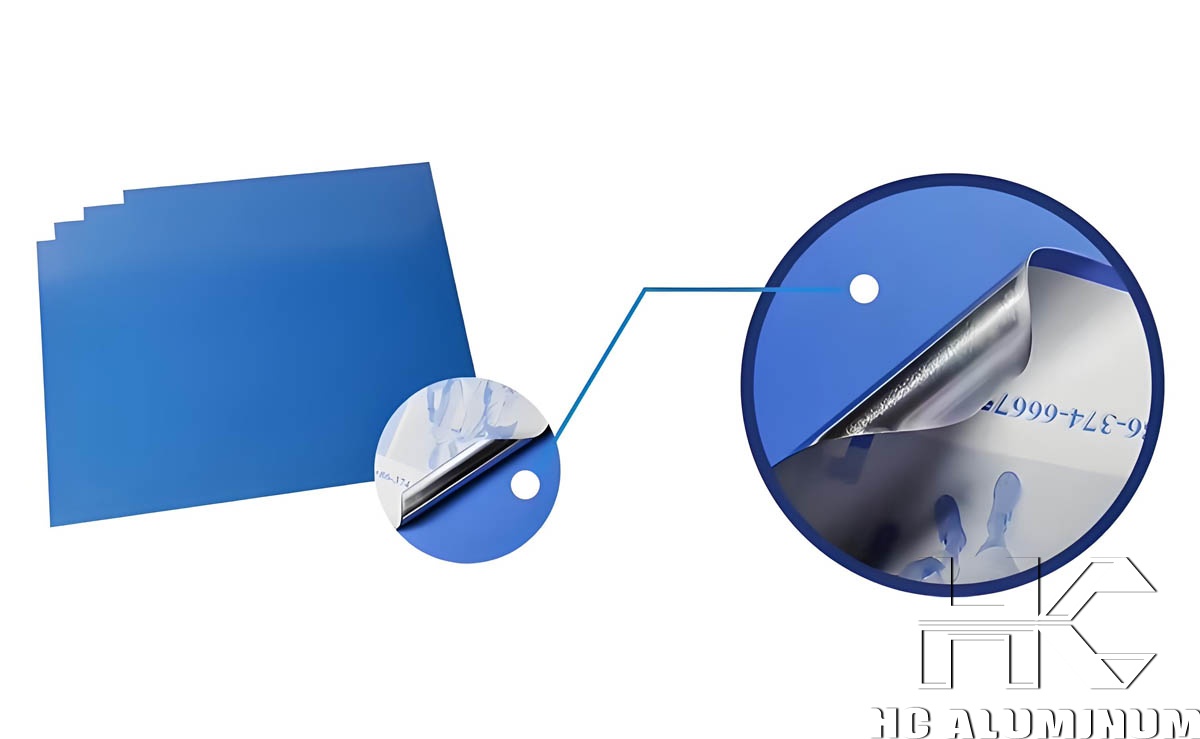
Original packaging is designed to protect thermal CTP plates from moisture, dust, light, scratches, and impact during transport and storage. For best results, we recommend the following:
Keep cartons sealed until the plates are ready for use.
Keep the inner protective wrapping intact.
Reseal any opened package carefully if not all plates are used.
Do not place heavy items on top of plate cartons.
Avoid dragging cartons across the floor.
Store cartons on pallets or shelves rather than directly on the ground.
Damaged packaging may allow dust or moisture to reach the plates. Inspect cartons after delivery and before moving them into long-term storage.
Store Cartons Flat and Securely
Thermal CTP plate cartons should normally be stored flat on a level surface. This helps prevent bending, warping, and edge damage. Make sure the stack is stable and does not exceed a safe height.
Avoid Excessive Stacking
Do not stack too many cartons on top of each other. Excessive weight can damage the plates at the bottom of the stack, especially for large-format plates. Follow the carton markings and your warehouse safety rules for stacking height.
Protect Plate Edges
Plate edges can be easily damaged during handling. Use care when moving cartons with forklifts, pallet jacks, or by hand. A bent edge may affect loading, imaging, or mounting on press.
Allow Plates to Acclimatize Before Use
When thermal CTP plates are moved from a cool storage room to a warmer production area, do not open the package immediately. Leave the unopened carton in the production area long enough for it to reach room temperature.
This step helps prevent condensation from forming on the plate surface. Moisture can affect imaging quality and may create handling problems. The required acclimatization time depends on the temperature difference, carton size, and local conditions.
As a general rule, allow the sealed package to stabilize in the CTP room before opening it.
Handle Plates Carefully After Opening
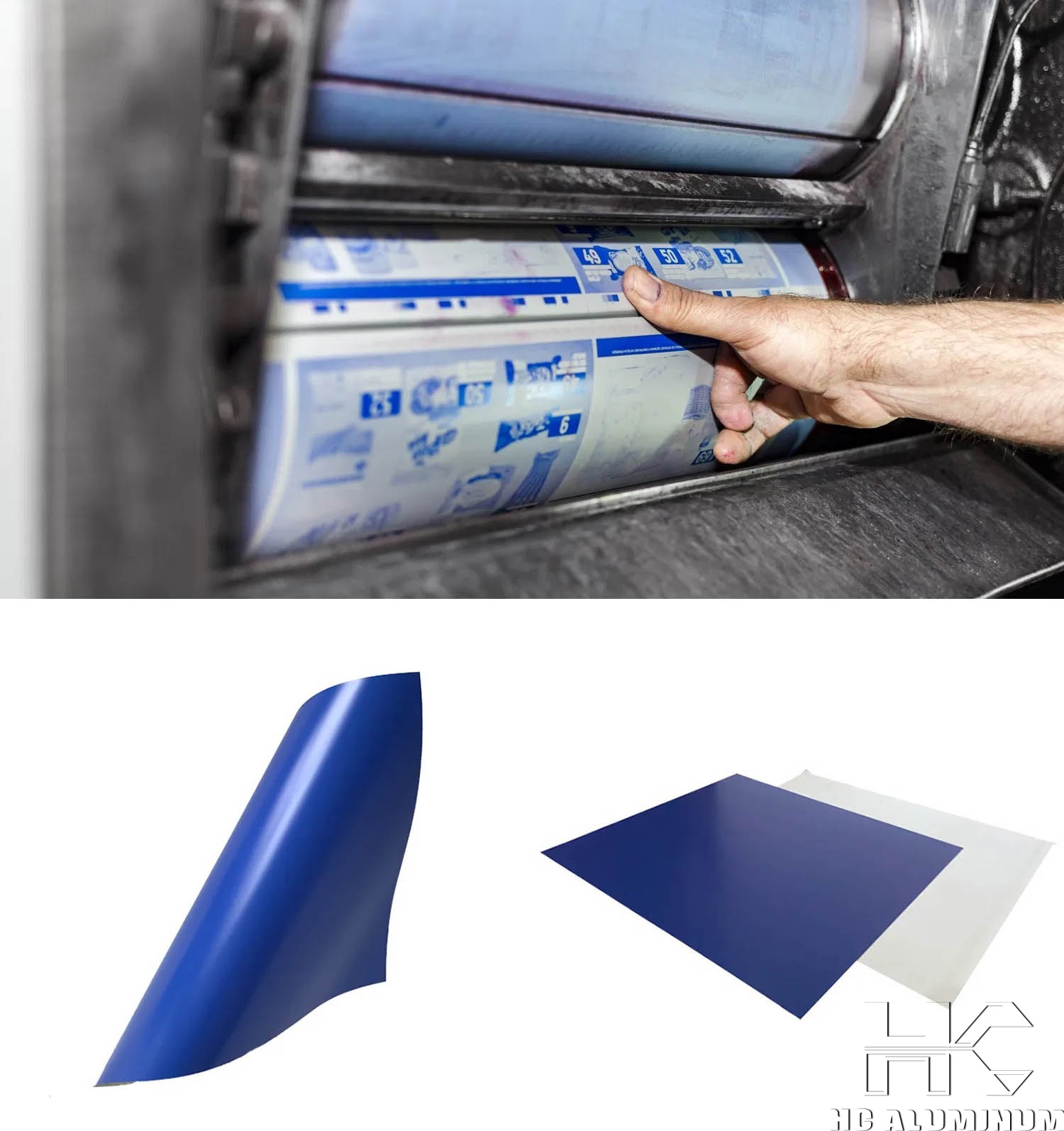
Once the package is opened, handle thermal CTP plates with clean, dry hands or suitable gloves. Avoid touching the coated surface whenever possible.
Follow these handling practices:
Hold plates by the edges.
Keep worktables clean and free from sharp objects.
Do not slide plates across each other.
Avoid contact with oil, chemicals, fingerprints, and water.
Separate plates carefully to prevent scratching.
Return unused plates to protective packaging promptly.
Small scratches or contamination on the plate surface may become visible during printing, especially in high-quality commercial and packaging jobs.
Use First-In, First-Out Stock Rotation
We recommend using a first-in, first-out, or FIFO, inventory system. This means using the oldest suitable stock first while keeping newer deliveries behind it.
Clearly label each carton with the delivery date, plate type, size, and batch information. Good stock rotation helps prevent plates from remaining in storage longer than necessary and makes inventory management easier.
Always check the shelf-life information on the product packaging or technical documentation. Plate shelf life can vary according to the product type, storage conditions, and packaging status.
Keep the Storage Area Clean
A clean storage room reduces the risk of dust, dirt, and chemical contamination. Do not store thermal CTP plates close to strong solvents, cleaning chemicals, inks, fountain solution, or other materials that may release fumes.
We also recommend keeping food, drinks, and unnecessary materials out of the plate storage area. A simple, organized storage space makes it easier for operators to select the correct plate and handle it safely.
Quick Thermal CTP Plate Storage Checklist
Before using a thermal CTP plate, confirm the following:
The carton has been stored in a cool, dry, stable environment.
The package is clean, sealed, and undamaged.
The plates have been protected from direct sunlight and strong light.
The carton has been kept flat and securely supported.
The plates have acclimatized before the package is opened.
The plate surface is clean and free from scratches or fingerprints.
The plate is within its recommended shelf-life period.
Conclusion
Proper thermal CTP plate storage is an easy but essential part of maintaining consistent print quality. By controlling temperature and humidity, protecting the original packaging, handling plates carefully, and rotating inventory correctly, printers can reduce plate waste and achieve more stable production results.
As a thermal CTP plate manufacturer, we recommend always following the storage instructions supplied with your specific plate model. If you need support in selecting, storing, or using thermal CTP plates for your printing operation, our team is ready to help.
Website: https://www.printarea-plate.com/a/how-to-store-thermal-ctp-plates-properly.html
Keyword: thermal CTP plate 830nm thermal CTP plate how to store thermal CTP plates CTP plate storage conditions thermal printing plate handling CTP plate shelf life offset printing plate storage thermal CTP plate packaging CTP plate Manufacturer
Previous: What Is Blue UV-CTP Plate?
Next: This is the last one!