

If you have any questions, you can directly consult our online customer service. You can visit us online via WhatsApp. We look forward to your visit.
WhatsApp:8618703635966 Online
What Material Is Thermal CTP Plate Made Of?
What a Thermal CTP Plate Is
A thermal CTP (computer-to-plate) plate is an offset lithographic printing plate imaged directly in a platesetter using an infrared laser, most commonly 830 nm. In production terms, it is a multi-layer engineered laminate: a precisely prepared aluminum base plus one or more functional coatings that convert laser energy into a printable image.
From our manufacturing perspective, the key to predictable press performance is not one single material, but how the substrate preparation (graining + anodizing) and the thermal imaging layer work together to control water/ink balance, dot stability, and run length.
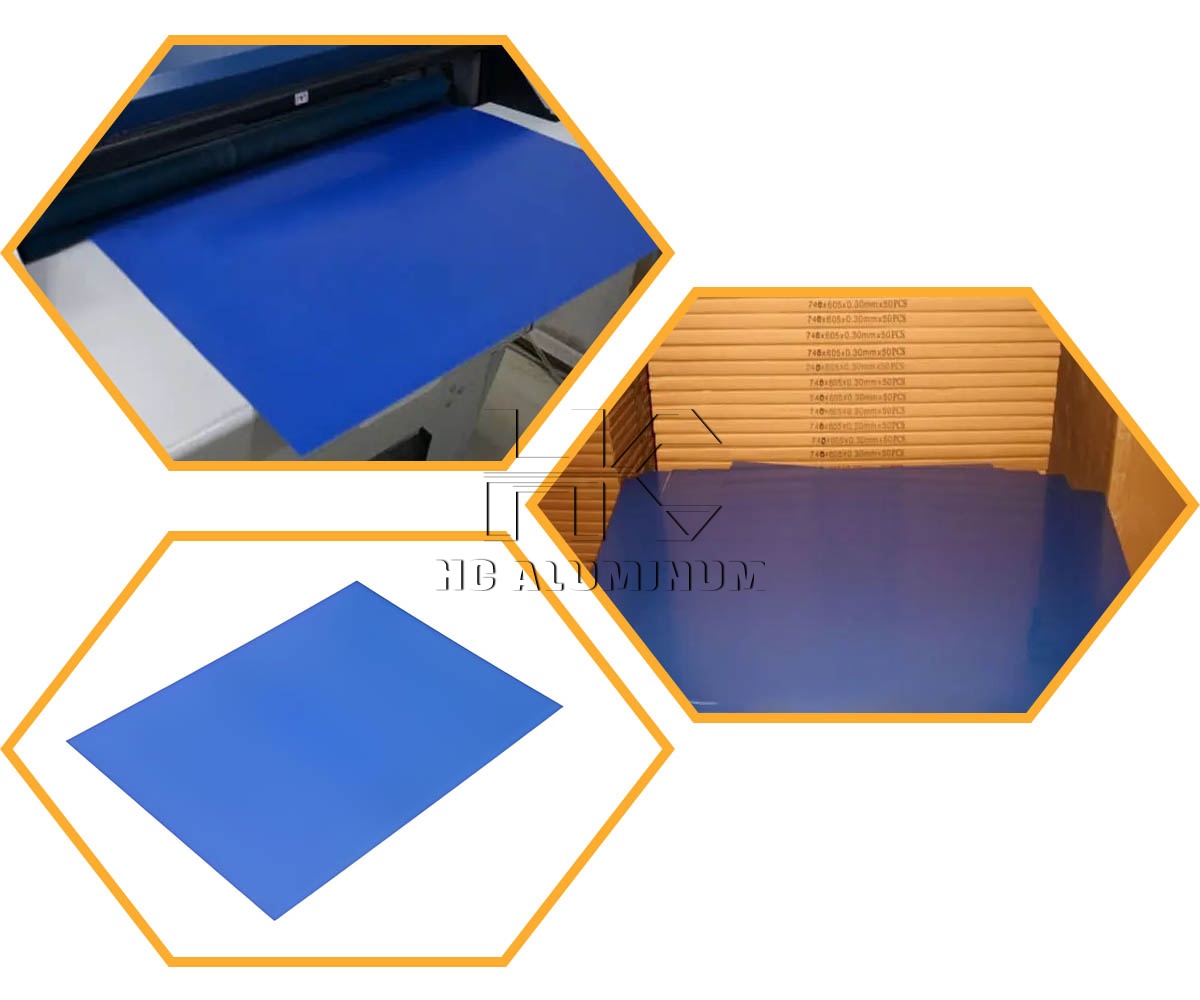
The Core Materials Inside a Thermal CTP Plate
1) Aluminum Alloy Substrate
The substrate is typically a specially designed bias-grade aluminum alloy strip, usually made from high-purity aluminum alloy coils (such as the 1050 or 1060 series). It has good flatness, strength, and dimensional stability.
Advantage:
Good stiffness-to-weight ratio for handling and mounting
High thermal conductivity (helps dissipate imaging heat)
Consistent electrochemical behavior for anodizing
In practical prepress terms, the aluminum substrate quality influences plate flatness, registration stability, and how well the plate tolerates bending and clamping on press.
Physical Properties: Aluminum is lightweight, has high mechanical strength, and good flatness.
Surface Treatment: The aluminum base is not smooth. It undergoes electrolytic polishing (sandblasting) to increase the surface area and is anodized to form a dense aluminum oxide film ($Al₂O₃$), which makes the printing plate both wear-resistant and has good hydrophilicity.
2) Electrochemical Graining (Creates the Water-Carrying Microtexture)
Before any coating is applied, we create a controlled micro-rough surface by electrochemical graining. This microtexture is critical because it:
Increases surface area for coating adhesion
Improves the non-image area's ability to hold a stable water film
Supports press latitude (the press is less sensitive to small water/ink shifts)
If graining is inconsistent, you may see unstable water balance, scumming sensitivity, or variable dot appearance across the sheet.
3) Anodizing (Builds the Oxide Layer That Makes Lithography Work)
After graining, the aluminum is anodized to form an aluminum oxide layer (Al2O3). This oxide layer is not just "protection"; it is a functional part of lithography:
Increases wear resistance and contributes to run length
Provides a hydrophilic base for non-image areas
Creates an anchoring structure that improves coating adhesion and coating uniformity
In manufacturing, we control anodic layer properties (thickness, porosity, uniformity) because they affect:
Development latitude (how forgiving the plate is during processing)
Background cleanliness and resistance to toning
Durability under fountain solution chemistry and press abrasion
4) Thermal Imaging Coating (Where the Image Is Created)
On top of the anodized aluminum sits the thermal-sensitive coating. The exact chemistry varies by plate type (positive-working vs negative-working), but the engineering goal is consistent: convert laser energy into a change that can be developed into image/non-image separation.
Typical coating components include:
Polymeric binders (film formation, adhesion, durability)
Infrared absorbers tuned for 830 nm (efficient energy capture)
Photo/thermo-reactive compounds (change solubility or crosslinking behavior)
Additives that influence dot reproduction, scratch resistance, and stability
Some thermal plates also include a protective topcoat (to improve handling robustness and reduce sensitivity to fingerprints or minor contamination).
How a Thermal CTP Plate Works (From Imaging to Press)
Imaging: 830 nm Laser + Controlled Imaging Energy
A thermal platesetter uses an infrared laser (commonly 830 nm) to deliver imaging energy to the coating. The coating is designed so that exposed areas undergo a controlled physical/chemical change.
Why the material matters here:
If the IR absorber efficiency varies, you'll see exposure drift, banding risk, or tighter imaging tolerance.
If coating thickness or uniformity varies, it impacts resolution and dot gain behavior.
Development: Turning the Latent Image Into Printable Areas
Traditional thermal plates are usually processed in a developer (alkaline or near-neutral depending on chemistry) to remove either the exposed or unexposed regions.
Material/process interactions that affect production:
Developer latitude depends on coating chemistry and anodic layer consistency.
Good adhesion and controlled solubility reduce risks like image erosion, pinholes, and weak highlights.
On Press: Stable Water/Ink Balance and Wear Resistance
On press, the plate must maintain:
Clean non-image background (hydrophilicity from graining/anodizing)
Robust image areas (coating durability)
Predictable dot behavior (coating + imaging control)
This is where plate materials show up as real results: stable start-up, lower waste, and fewer surprises over a long run.
Why Plate Material Choices Matter in Real Production
Dot Reproduction and Resolution
Thermal plates are commonly used for high-quality commercial work because the imaging mechanism is less affected by stray light and offers controlled dot formation. Material factors that influence dot quality include:
Coating sensitivity and threshold behavior (clean 1% to 99% dots)
Coating uniformity (reduces graininess and mottling)
Substrate stability (helps keep registration consistent)
Press Latitude and Consistency
Press latitude is partly a pressroom variable, but plate materials strongly influence how forgiving the system is:
Consistent graining and anodizing improve non-image water holdout
Stable coating reduces toning sensitivity and supports repeatability across batches
Run Length and Wear
Run length is a combined result of:
Anodic layer wear resistance
Coating toughness and chemical resistance
Press conditions (fountain solution, alcohol substitutes, abrasive inks, etc.)
In manufacturing, we treat run length as an engineering balance: more durability usually requires tighter control of coating crosslinking, adhesion, and oxide structure.
Imaging Tolerance and Equipment Compatibility
Thermal plates are designed for thermal CTP units (830 nm). In practice, compatibility depends on:
The plate's sensitivity range (mJ/cm2 target window)
Platesetter condition (laser power stability, focus, drum cleanliness)
Workflow settings (screen ruling, FM/AM screening, calibration)
If your platesetter output is aging or variable, a plate with broader exposure latitude can reduce remakes.
Environmental Compliance and Process Control
Thermal plates may be processed or processless depending on product type. For processed thermal plates, environmental considerations include:
Developer handling and disposal
Rinse water control
VOC/odor management depending on chemistry
From a plant perspective, coating design and production control aim to minimize variability so printers can run stable, predictable chemistry with fewer adjustments.
How to Choose the Right Thermal CTP Plate Material Set for Your Shop
Match the Plate Type to Your Workflow
Consider:
Processed thermal: strong history of consistency and wide application range
Processless thermal (if applicable): reduces chemistry and water use, but needs careful evaluation of press start-up behavior and clean-out requirements
Check Your Key Production Requirements
Use these questions as a practical checklist:
Platesetter wavelength: Is your engine 830 nm thermal (not UV/CTcP)?
Required resolution: What line screen or FM dot do you run, and how critical are highlight dots?
Run length target: Short-run commercial vs long-run packaging will favor different oxide/coating designs.
Fountain solution and ink system: Aggressive chemistry or abrasive inks benefit from more robust anodizing and coating durability.
Process control: If your processor conditions fluctuate, prioritize plates with wider development latitude.
Where Thermal CTP Plates Perform Best
Thermal plates are widely used in commercial printing where consistency and quality are required across jobs and shifts, such as magazines, catalogs, and many packaging applications.
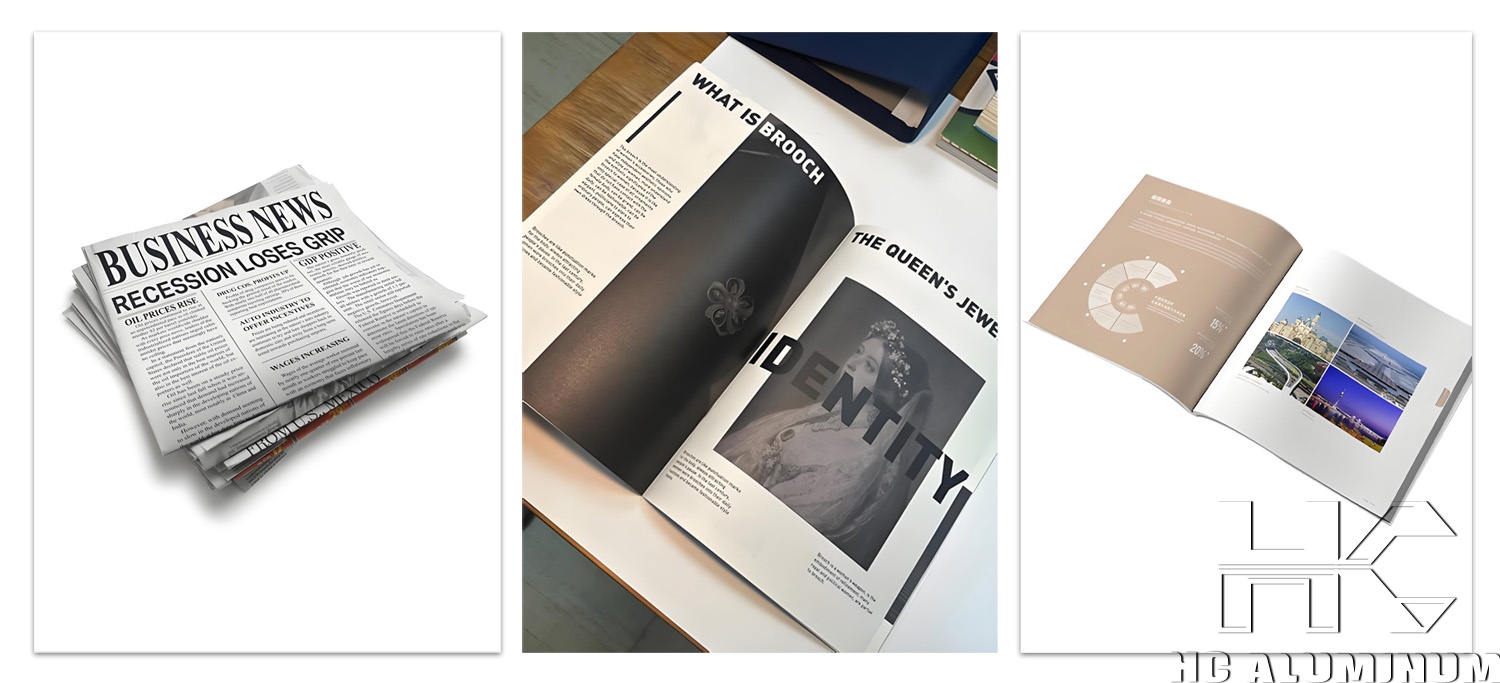
Typical strengths in the field include:
Stable imaging under normal prepress lighting
Reliable dot reproduction at common commercial resolutions
Good press latitude when substrate prep and coating control are consistent
Summary: The "Material" Is a System, Not a Single Layer
A thermal CTP plate is primarily made of grained and anodized aluminum plus a carefully engineered 830 nm thermal imaging coating (often with additional functional layers). In real production, plate performance comes from how these materials are designed and controlled as a system, affecting imaging tolerance, dot reproduction, press latitude, run length, and day-to-day consistency.
If you evaluate thermal plates by looking at substrate prep quality (graining/anodizing), coating uniformity, and compatibility with your platesetter and press conditions, you will make more reliable choices and reduce avoidable remakes and press waste.
Website: https://www.printarea-plate.com/a/what-material-is-thermal-ctp-plate-made-of.html
Keyword: thermal CTP plate material anodized aluminum substrate thermal CTP plates 830nm thermal CTP plates offset CTP plates printing plates aluminum substrates aluminum-based CTP plates thermal CTP plate manufacturers 1050 / 1060 aluminum sheet