

If you have any questions, you can directly consult our online customer service. You can visit us online via WhatsApp. We look forward to your visit.
WhatsApp:8618703635966 Online
What Is a Blue Positive Thermal CTP Plate?
A blue positive thermal CTP plate is an aluminum offset printing plate designed for computer-to-plate imaging systems. It uses thermal laser technology, typically at a wavelength of 830 nm, to transfer digital page files directly onto the plate.
The term blue positive usually refers to the plate's blue-colored photosensitive coating and its positive-working imaging process. During exposure, the laser changes the exposed coating areas so they can be removed during development. The remaining coating forms the ink-receptive image areas used in offset printing.
As a manufacturer of thermal CTP plates, we produce blue positive thermal plates for printers that need stable imaging, clear dot reproduction, and dependable performance on commercial offset presses.
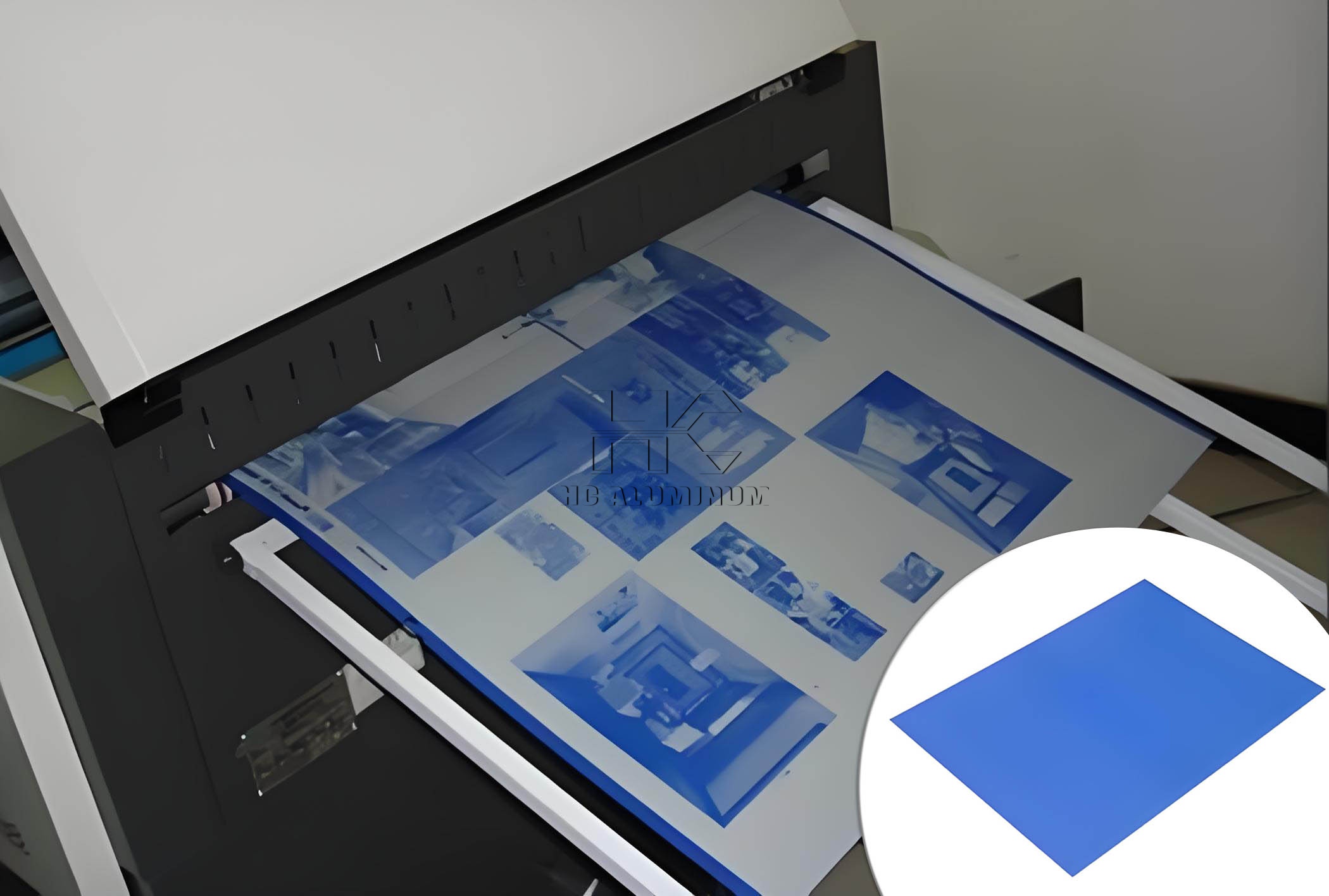
How Does a Blue Positive Thermal CTP Plate Work?
The workflow is simple and highly efficient. Instead of making film first, the printer sends the digital artwork directly from the prepress system to a thermal CTP machine.
1. Digital Imaging
A thermal CTP imagesetter uses a laser to expose the plate according to the digital design. Text, images, barcodes, and halftone dots are recorded directly on the plate surface.
2. Positive Exposure
With a positive thermal CTP plate, the laser-exposed coating becomes easier to remove in the developer. These exposed sections become the non-image areas of the finished plate.
3. Developing and Finishing
After imaging, the plate passes through a processor. The developer removes the exposed coating, revealing the hydrophilic aluminum surface beneath. The unexposed coating remains and forms the image area that accepts ink during printing.
4. Offset Printing
On the press, the aluminum non-image areas attract water and repel ink. The coated image areas repel water and accept ink. This balance allows the plate to transfer sharp images to the printing blanket and then to paper, board, or other substrates.
Main Features of Blue Positive Thermal CTP Plates
Blue positive thermal CTP plates remain a practical choice for many commercial printing operations because they combine reliable quality with familiar processing technology.
Sharp Image Reproduction
Thermal laser imaging supports fine text, smooth tonal transitions, and accurate halftone dots. This helps printers achieve clean results for brochures, catalogs, books, magazines, and marketing materials.
Good Press Stability
A quality thermal CTP plate provides consistent ink-water balance during printing. Stable plate performance helps reduce press adjustments, wasted sheets, and downtime.
Strong Chemical Resistance
Our blue positive thermal CTP plates are designed to withstand normal fountain solutions, inks, and pressroom conditions. This supports reliable production throughout the print run.
Suitable for Medium and Long Runs
Positive thermal CTP plates are commonly used for medium- to long-run offset printing. Depending on the plate specification, press conditions, and post-baking process, they can support higher print volumes.
Proven Processing Technology
Conventional positive thermal plates use established plate processors and developers. For printers with existing thermal CTP workflows, they can be an easy and dependable plate option.
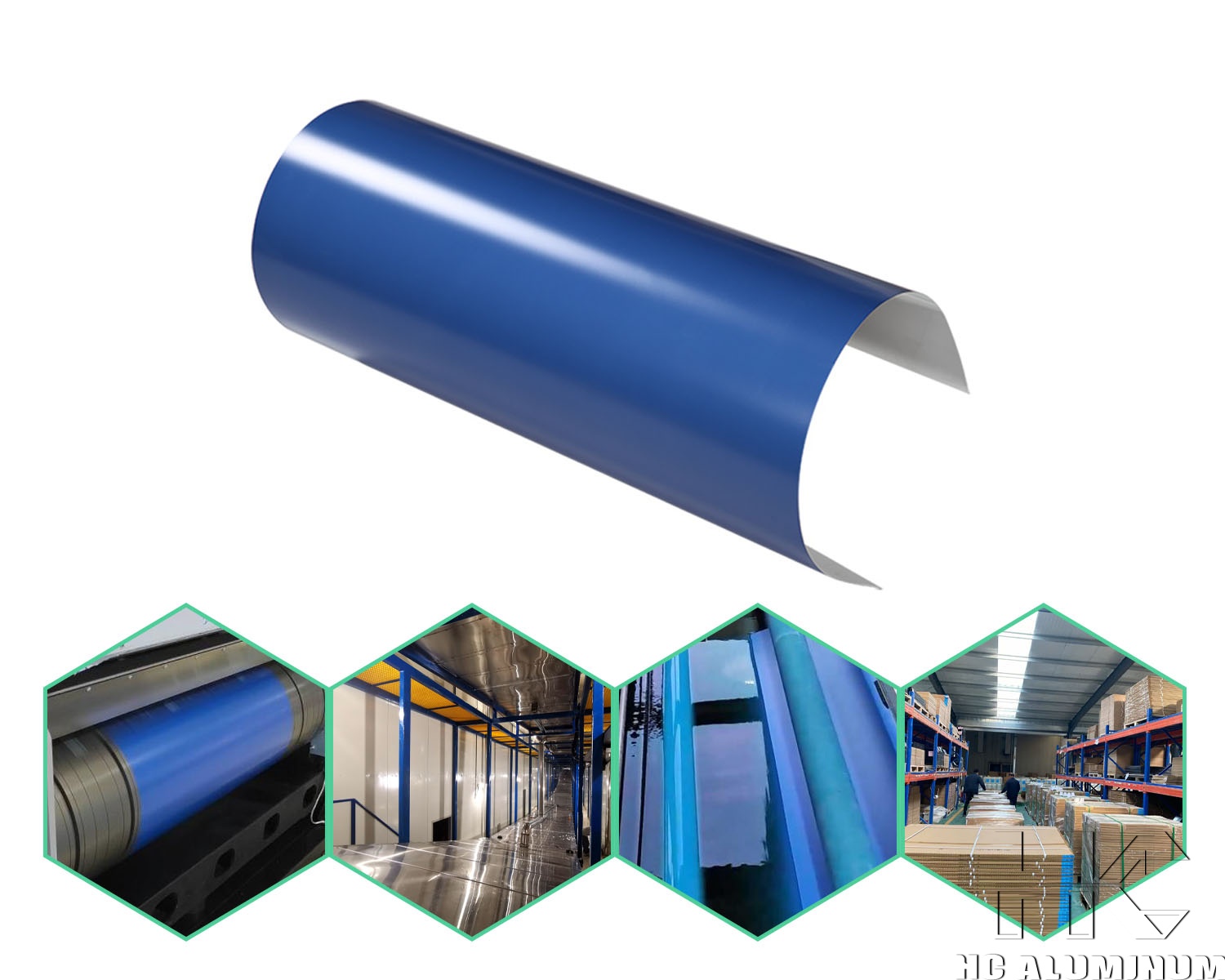
Technical Specifications for Blue Positive Thermal CTP Plates
| Item | Technical Specifications |
| Name | Blue Positive Thermal CTP Plate |
| Imaging Technology | Thermal imaging |
| Laser Wavelength | 830 nm |
| Plate Color | Blue |
| Compatible Platesetters | 830 nm thermal CTP platesetters |
| Imaging Method | Direct laser imaging (no traditional film required) |
| Plate Type | Positive-working |
| Substrate Material | High-quality electro-grained and anodized aluminum (1050,1060,1070) |
| Aluminum Thickness Standard options | 0.15 / 0.20 / 0.27 / 0.30 / 0.40 mm |
| Standard Sizes | 400 × 510 mm, 510 × 400 mm, 745 × 605 mm, 1030 × 800 mm, etc. |
| Resolution | 1–99% halftone dot reproduction capability, depending on the equipment and plate-making conditions. |
| Exposure energy | Approximately 120–140 mJ/cm² |
| Development method | Chemical development |
| Development temperature | Typically approx. 23–25°C; subject to specific developer and process requirements |
| Development time | Typically approx. 20–30 s |
| Print run length | Approximately 100,000–200,000 impressions for standard printing; can be further increased after plate baking. |
| Packaging | Moisture-proof, light-proof, and pressure-resistant packaging |
| Storage Conditions | Store in a dry, well-ventilated area away from light; avoid high temperatures and humidity |
| Storage Temperature | Recommended 10–30°C |
| Shelf Life | Typically 12–24 months; specific duration depends on the product model and packaging label |
Blue Positive Thermal CTP Plate vs. Other CTP Plates
Different CTP plate types serve different production needs. Understanding the differences can help a printer select the most suitable option.
Blue Positive Thermal CTP Plate vs. Processless CTP Plate
A blue positive thermal CTP plate normally requires chemical processing after imaging. A processless CTP plate goes directly from the CTP machine to the press, reducing processor use and chemical consumption.
However, positive thermal CTP plates are still preferred by many printers because they offer familiar operation, dependable image quality, and stable performance for demanding print work.
Blue Positive Thermal CTP Plate vs. UV-CTP Plate
Thermal CTP plates are imaged with infrared thermal lasers, while UV-CTP plates are imaged with ultraviolet light. The right choice depends on the installed CTP equipment, desired plate characteristics, and production requirements.
Blue Positive Thermal CTP Plate vs. Negative Thermal CTP Plate
In a positive plate, exposed areas are removed during development. In a negative plate, exposed areas harden or remain to create the image. Both can produce quality offset printing plates, but their processing behavior and application preferences differ.
Typical Applications
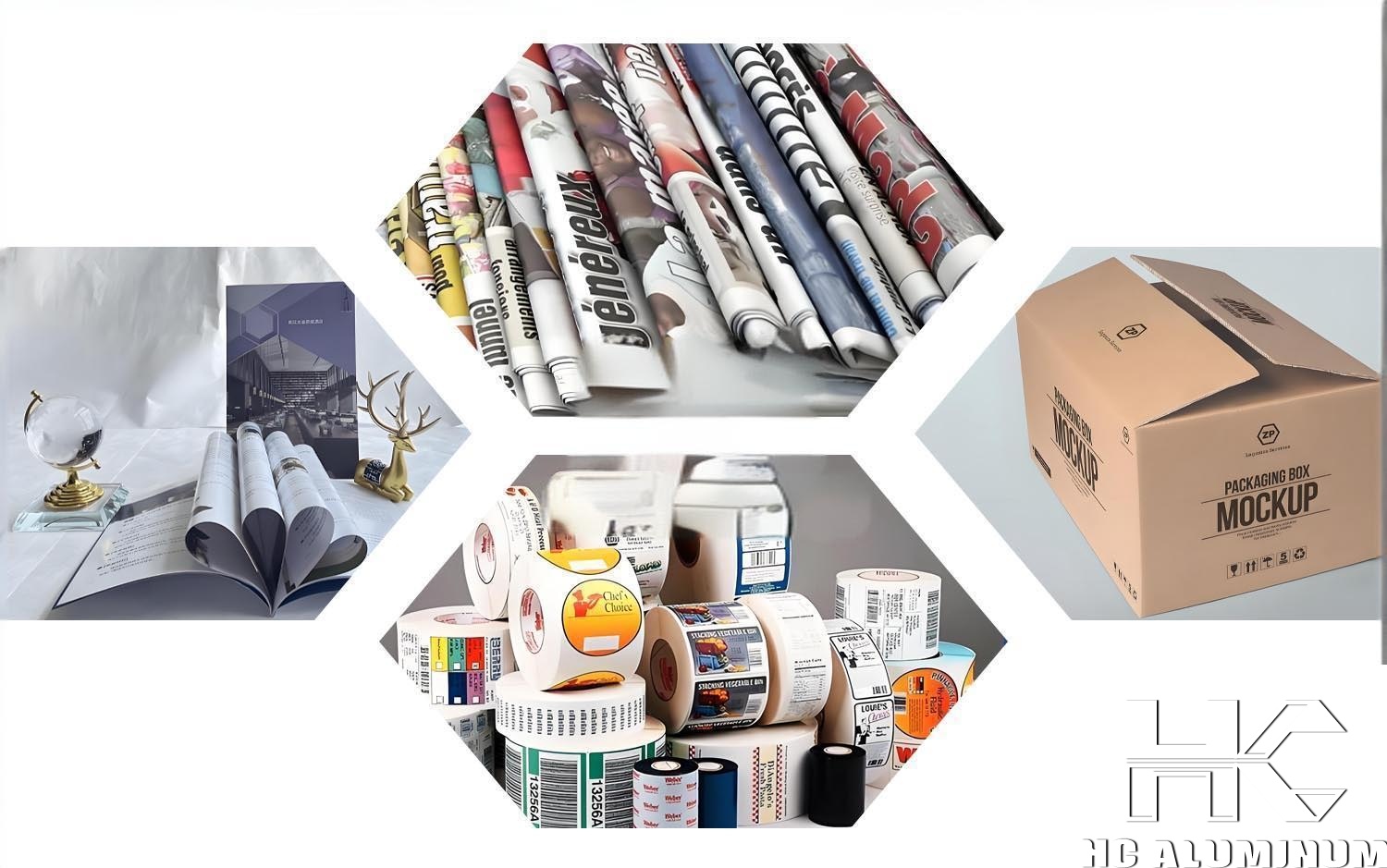
Blue positive thermal CTP plates are widely used for sheet-fed and web offset printing applications, including:
Commercial brochures and flyers
Books and educational materials
Magazines and catalogs
Corporate stationery and manuals
Newspapers
Packaging inserts and paperboard printing
Labels and promotional materials
How to Choose the Right Blue Positive Thermal CTP Plate
When selecting a thermal CTP plate, we recommend considering the following factors:
Your CTP Machine Compatibility
Confirm that the plate is compatible with your thermal CTP system, including the laser wavelength and sensitivity requirements.
Print Run Length
Choose a plate with suitable run-length performance for your production volume. For longer runs, a baked plate or a higher-durability thermal plate may be the better option.
Plate Processor and Chemicals
For conventional processed plates, the developer and processor settings affect plate quality. Matching the plate with suitable processing chemicals helps maintain stable results.
Printing Conditions
Ink type, fountain solution, press speed, substrate, and operator practices can all influence plate performance. A reliable plate supplier can help recommend the right product for your pressroom.
Why Work With a Professional CTP Plate Manufacturer?
At our manufacturing facility, we focus on producing consistent thermal CTP plates with dependable coating quality, stable sensitivity, and strong printing performance. We understand that an offset plate is not simply a consumable item. It directly affects prepress efficiency, press productivity, waste control, and final print quality.
Our blue positive thermal CTP plates are manufactured to support clear imaging, efficient processing, and reliable offset printing. We can also help customers choose suitable plate specifications based on their CTP equipment, printing conditions, and run-length requirements.
Conclusion
A blue positive thermal CTP plate is a processed aluminum offset printing plate that uses thermal laser imaging to create high-quality print images. The exposed coating is removed during development, while the remaining coating becomes the ink-receptive image area.
For commercial printers seeking stable imaging, clear output, and proven offset performance, blue positive thermal CTP plates remain a reliable solution. Choosing the right plate and using it with proper processing conditions can improve production consistency from prepress to press.
Website: https://www.printarea-plate.com/a/what-is-a-blue-positive-thermal-ctp-plate.html
Keyword: Blue Positive Thermal CTP Plate Thermal CTP Plate Positive CTP Plate Offset Printing Plate 830 nm CTP Plate Aluminum Printing Plate Commercial Offset Printing Offset plate Blue CTP Plate
Previous: 830nm Thermal Positive Dual-Layer Low-Chem CTP Plates
Next: This is the last one!