

If you have any questions, you can directly consult our online customer service. You can visit us online via WhatsApp. We look forward to your visit.
WhatsApp:8618703635966 Online
Thermal Ctp Plate Storage Requirements
Thermal CTP plates are designed to deliver stable imaging, clean dots, and reliable press performance. However, even a high-quality plate can lose performance if it is stored in the wrong environment. As a thermal CTP plate manufacturer, we always remind our customers that correct storage is just as important as plate quality itself.
In this article, we explain the main thermal CTP plate storage requirements in a simple and practical way, so printers, distributors, and warehouse teams can protect plate quality and reduce unnecessary waste.
Product Introduction
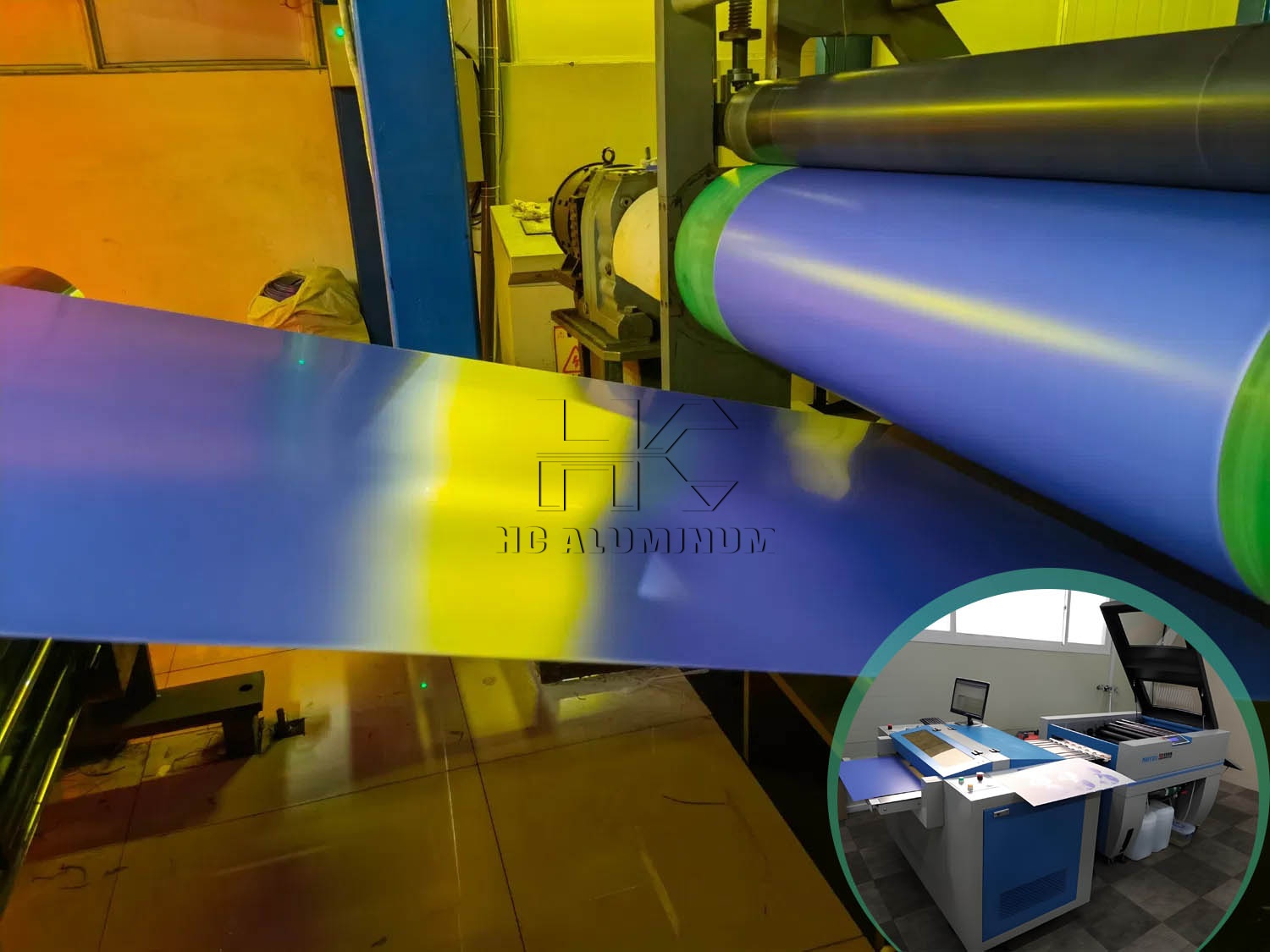
Thermal CTP plates are the core consumables of Computer-to-Plate (CTP) technology. They utilize 830–1064nm near-infrared laser heating of the plate coating, inducing physical/chemical changes (such as thermal ablation, thermal cross-linking, or thermal melting) to form oleophilic/hydrophilic image and blank areas, directly creating the printing plate and replacing traditional film and PS plate processes. They offer advantages such as bright room operation, high resolution, strong printing durability, and environmental friendliness, making them widely applicable to various offset printing scenarios including commercial, packaging, books, and newspapers.
Thermal CTP Plate Composition
High-purity Aluminum Substrate: Utilizing a high-quality 1050/1060 aluminum alloy substrate, undergoing rigorous electrochemical graining and anodizing treatments, ensuring excellent ink-water balance and mechanical strength.
Hydrophilic passivation layer: Enhances the water retention of the printing plate, effectively preventing "dirty plate" phenomena during the printing process.
High-sensitivity thermal coating: Employs a multi-layer coating technology highly sensitive to 830 nm laser light. Under laser scanning, physical or chemical changes occur in the image area, achieving precise imaging.
Core Advantages of Thermal CTP Plates
1. High Efficiency and Cost Reduction: Film-free, simplified process, plate-making cycle shortened by 50%+; no processing required, no developing consumables or equipment energy consumption, overall cost reduced by 30-40%.
2. Stable Quality: Sharp dot edges, high fidelity, minimum dot density down to 1%, excellent color consistency.
3. Environmentally Friendly and Safe: No film loss, zero chemical waste, compliant with green printing policies.
4. Strong Adaptability: Operates in bright environments, insensitive to ambient light; printing durability covers short to long runs, compatible with mainstream CTP equipment and printing presses.
Why Proper Thermal CTP Plate Storage Matters
Thermal CTP plates are sensitive to their surroundings. Heat, moisture, direct light, pressure, and poor handling can all affect the coating surface. If storage conditions are not controlled, plates may develop problems such as:
Reduced imaging consistencyn- Shorter shelf life
Oxidation or surface contamination
Scratches or edge damage
Poor ink-water balance on press
Lower print stability
Proper storage helps maintain the original coating performance and ensures the plate works as expected when it reaches the plate setter and the press.
Recommended Storage Environment for Thermal CTP Plates
Temperature Control
We recommend storing thermal CTP plates in a cool and stable environment. In general, the storage temperature should be kept between 18°C and 24°C. Avoid high temperatures, because excessive heat may affect the coating and reduce plate stability over time.
Sudden temperature changes should also be avoided. Moving plates quickly from a cold warehouse to a warm production area can create condensation on the plate surface, which may lead to imaging or handling issues.
Humidity Control
Relative humidity should usually be maintained between 40% and 65%. Excess humidity can damage packaging and encourage oxidation, while air that is too dry may increase static and dust attraction.
A clean and balanced storage environment helps preserve the coating and keeps the plate surface in good condition before use.
Avoid Direct Sunlight and Strong Light
Thermal CTP plates should be kept away from direct sunlight and strong indoor light sources. Although thermal plates are designed for laser imaging, prolonged exposure to unsuitable light and heat can still affect storage stability.
For best results, keep plates in their original packaging until they are ready for use.
Packaging and Stacking Requirements
Keep Plates in Original Packaging
We strongly recommend storing plates in their sealed original packaging. The packaging is designed to protect the plates from moisture, dust, scratches, and light exposure during transportation and storage.
Opening the package too early increases the chance of contamination and accidental damage.
Store Plates Flat and Securely
Thermal CTP plates should be stored flat on a clean, level surface or on a proper rack designed for plate storage. Uneven stacking can lead to bending or pressure marks, especially when heavy loads are placed on top.
Please avoid:
Leaning plates against walls for long periods
Placing heavy items on top of plate cartons
Storing plates in unstable stacks
Good stacking practices help maintain plate flatness and make handling safer.
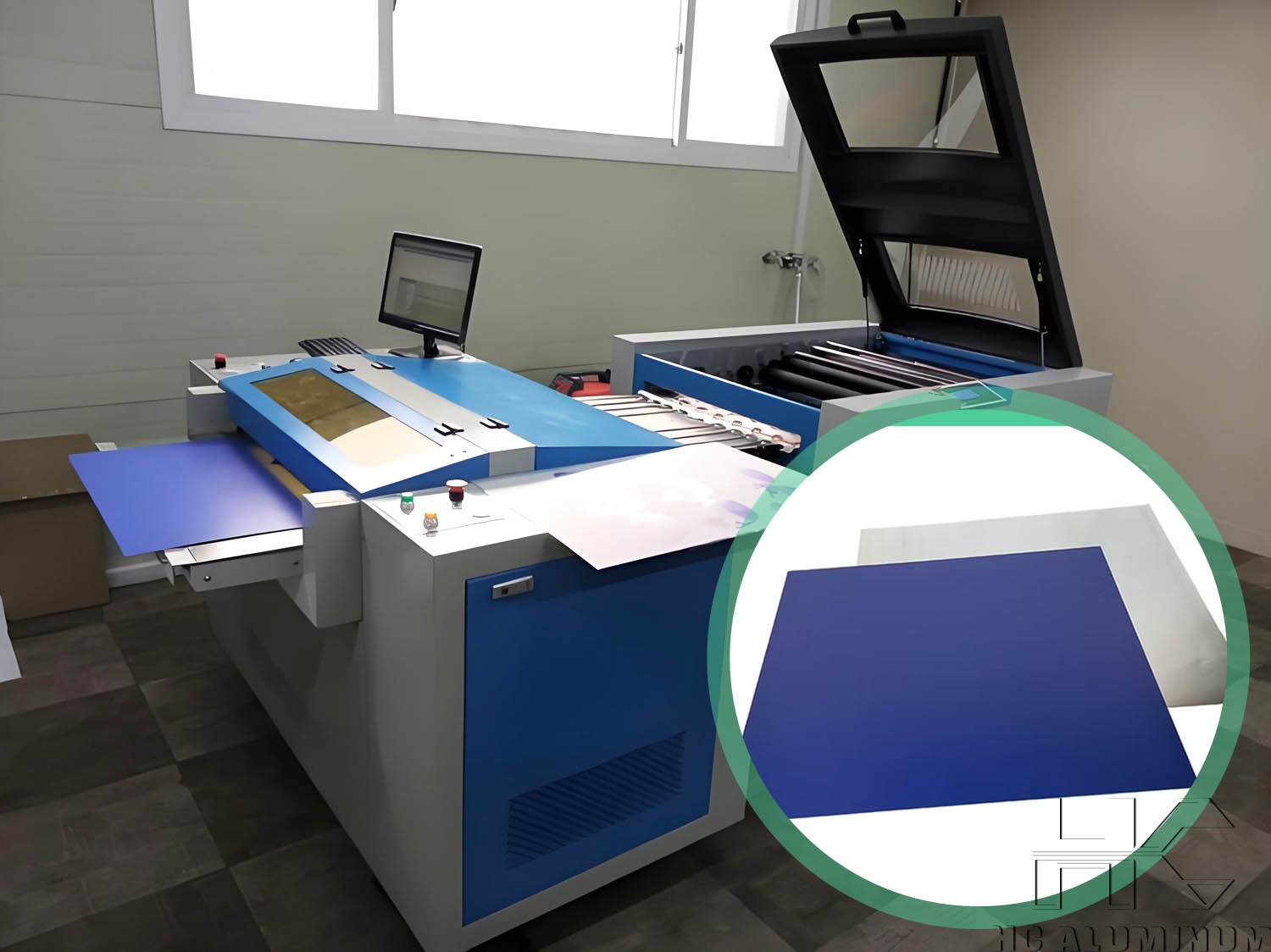
Safe Handling Practices in Daily Use
Handle with Clean Hands or Gloves
When moving or unpacking thermal CTP plates, operators should use clean gloves if possible. Fingerprints, oil, sweat, and dust may affect the coating surface and lead to quality problems during imaging or printing.
Prevent Scratches and Edge Damage
Plate surfaces and edges should be protected during transport from the warehouse to the prepress room. Even small scratches can influence imaging results. Operators should lift and move plates carefully and avoid dragging one plate across another.
Let Plates Adjust Before Use
If the plates are moved from a cold storage area into a warmer room, allow them to rest in the unopened package for a period of time before use. This helps the plate temperature adjust gradually and reduces the risk of condensation.
Shelf Life and Stock Rotation
Like many printing materials, thermal CTP plates have a recommended shelf life. Under proper storage conditions, plates usually perform best when used within the period suggested by the manufacturer.
We recommend using a first-in, first-out inventory method. This means older stock is used before newer stock. Good stock rotation helps avoid unnecessary aging and keeps plate performance more consistent.
Warehouse teams should clearly label incoming batches and regularly check package condition.
Clean Storage Area Requirements
A clean storage area is essential for protecting thermal CTP plates. Dust, chemical vapors, and dirty surroundings can affect packaging and plate surfaces.
The storage area should be:
Clean and dry
Well ventilated
Free from corrosive chemicals
Away from water sources or leaks
Protected from heavy vibration or impact
Plates should not be stored near developing chemicals, solvents, cleaning agents, or heat-generating equipment.
Common Storage Mistakes to Avoid
In our experience, a few simple mistakes are responsible for many avoidable plate problems. These include:
Opening Packages Too Early
Once the protective package is opened, the plate is more exposed to moisture, dust, and accidental contact. Only open the package when the plate is needed.
Storing Plates in Hot or Damp Areas
Warehouses without climate control can expose plates to damaging conditions, especially in summer or rainy seasons.
Poor Inventory Management
If stock is not rotated properly, older plates may remain unused too long. This can increase waste and affect production stability.
Rough Manual Handling
Dropping, sliding, or pressing plates during transport can damage the coating or edges before the plate even reaches the plate setter.
Practical Tips for Printers and Distributors
To help customers maintain plate quality, we suggest the following daily practices:
Keep storage temperature and humidity stable
Store plates in original unopened packaging
Use flat, secure stacking methods
Protect plates from direct light and heat
Keep the warehouse clean and dry
Use FIFO stock management
Train operators in correct handling methods
These simple actions can greatly improve plate consistency and reduce production risk.
Thermal CTP Plates in Real Printing Applications
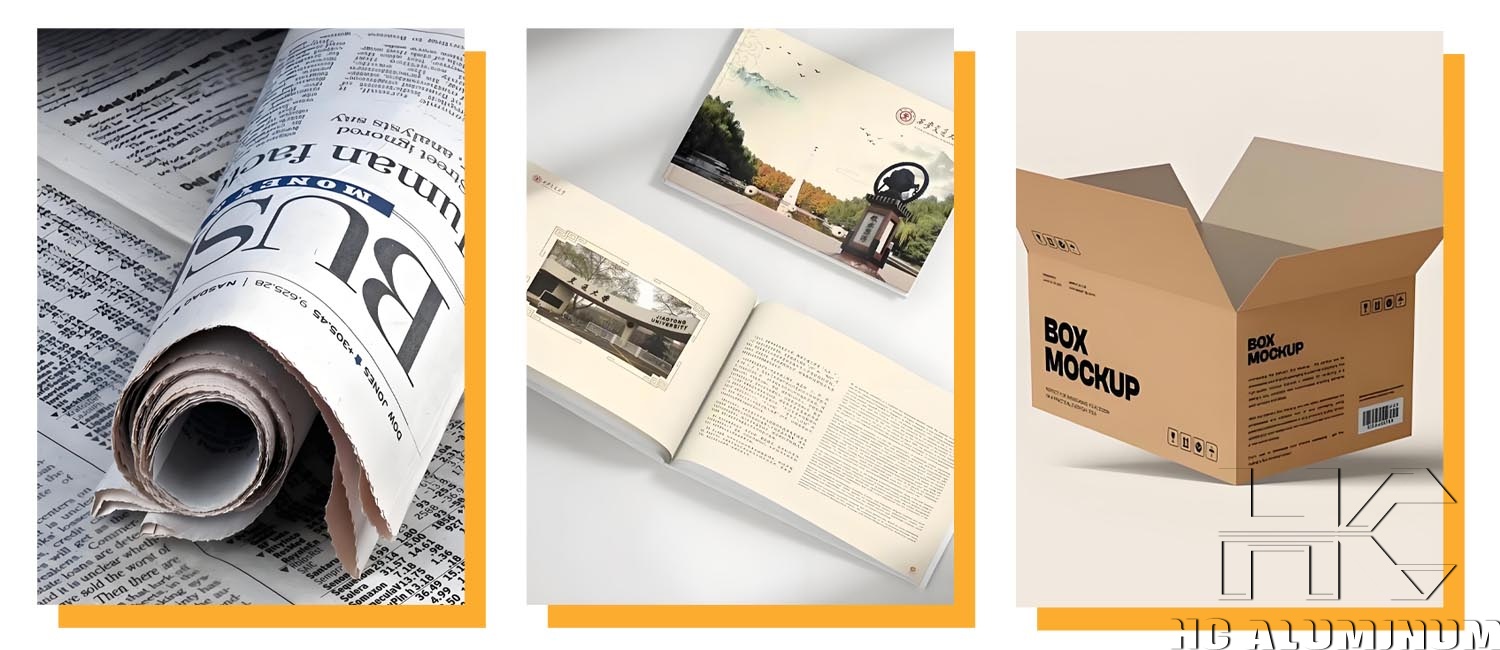
Thermal CTP plates are widely used in commercial printing, newspaper printing, packaging, and label production. Because they support stable imaging and efficient plate making, they are an important part of modern offset workflows. Proper storage ensures they remain reliable across all these applications.
Conclusion
Thermal CTP plate storage requirements are not complicated, but they do need attention and consistency. Correct temperature, balanced humidity, proper packaging, careful handling, and good stock rotation all help protect plate performance.
As a thermal CTP plate manufacturer, we always recommend treating plate storage as part of your quality control process. Good storage habits can extend shelf life, reduce waste, and support better printing results from prepress to press.
If you are looking for dependable thermal CTP plates or need guidance on storage and handling, we are always ready to support your printing business with practical advice and stable plate solutions.
Website: https://www.printarea-plate.com/a/thermal-ctp-plate-storage-requirements.html
Keyword: thermal CTP plate thermal CTP plate storage thermal CTP plate handling 830nm thermal CTP plate CTP printing plate offset thermal CTP plate aluminum substrate printing plate material thermal CTP plate manufacturer