

If you have any questions, you can directly consult our online customer service. You can visit us online via WhatsApp. We look forward to your visit.
WhatsApp:8618703635966 Online
Thermal CTP Plate as an Efficient Alternative to Traditional PS Plate
Thermal CTP Plate as an Efficient Alternative to Traditional PS Plate
In modern offset printing, speed, stability, and consistent quality are becoming more important than ever. As a professional printing plate manufacturer, we have seen many printers move from traditional PS plate production to more efficient CTP workflows. Among the available options, the thermal CTP plate has become one of the most practical and reliable choices.
Compared with traditional PS plates, thermal CTP plates help simplify prepress operations, reduce human error, and deliver sharper image reproduction. For printing companies that want to improve productivity while keeping stable print quality, thermal CTP plate technology offers a strong alternative.
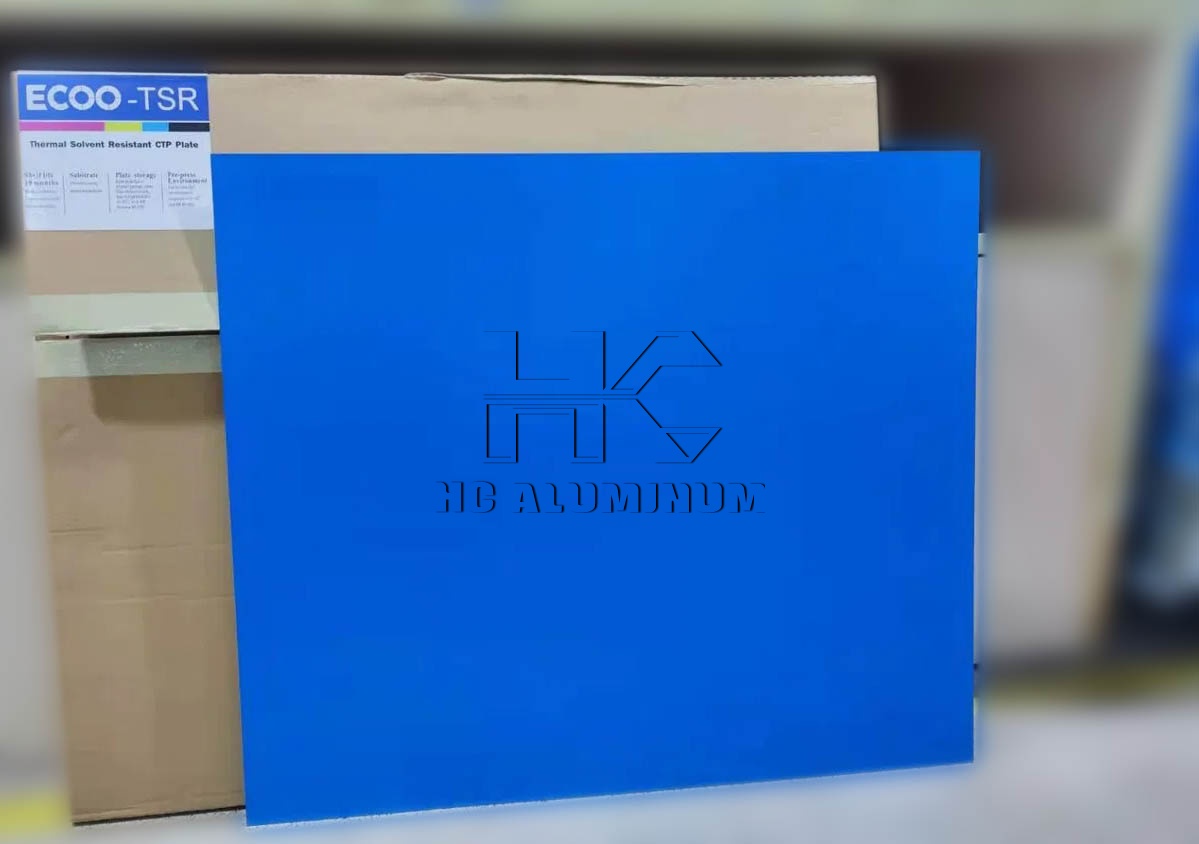
What Is a Thermal CTP Plate?
A thermal CTP plate is a computer-to-plate printing plate designed for direct imaging by a thermal CTP platesetter, usually with an 830 nm laser. Instead of exposing film first and then transferring the image to the plate, the digital file is imaged directly onto the plate surface.
This direct process helps printers achieve better registration, cleaner dots, and a more predictable prepress workflow. In our production experience, thermal CTP plates are widely used for commercial printing, packaging, labels, books, magazines, and other offset printing applications.
Traditional PS Plate: Reliable but More Process-Dependent
Traditional PS plates have been used in offset printing for many years. They are familiar, cost-effective, and suitable for many standard printing jobs. However, PS plate production normally requires film output, vacuum exposure, development, and careful manual control.
Because the process includes more steps, it can be affected by film quality, exposure conditions, developer stability, and operator experience. For printers handling frequent jobs or tight delivery schedules, these variables may reduce efficiency and increase the risk of rework.
Why Thermal CTP Plate Is an Efficient Alternative
1. Shorter Prepress Workflow
Thermal CTP plate production removes the need for film. Digital files are transferred directly to the plate, which shortens the prepress process and reduces material handling.
For printing plants, this means faster plate preparation, quicker job changes, and better response to urgent orders. This is one of the main reasons many printers choose thermal CTP plates as an upgrade from traditional PS plates.
2. Better Image Accuracy and Dot Reproduction
Because thermal CTP imaging is digital and direct, the final plate can reproduce fine dots, clear lines, and stable gradients more accurately. This is especially useful for high-quality commercial printing and packaging work where detail matters.
Compared with PS plates, thermal CTP plates help reduce variation caused by film output and manual exposure. The result is more consistent print quality from plate to plate.
3. Stable Performance in Daily Production
Thermal CTP plates are known for their imaging stability and strong tolerance in production. In real printing environments, stable plate performance helps operators maintain predictable results across different batches and job types.
As a manufacturer, we focus on coating uniformity, aluminum base quality, and plate surface consistency to support reliable printing performance. These factors are important for long runs, repeat orders, and demanding print jobs.
4. Reduced Human Error
Traditional PS plate making involves several manual steps, and each step may introduce small errors. CTP technology helps reduce these risks by using a digital workflow.
With fewer intermediate materials and fewer manual adjustments, printers can achieve more stable registration and reduce waste caused by incorrect exposure or film problems.
5. Suitable for Modern Offset Printing Needs
Today, printing companies often need to handle shorter runs, faster turnaround, and more frequent job changes. Thermal CTP plates support this production style well because they help speed up plate making and improve workflow control.
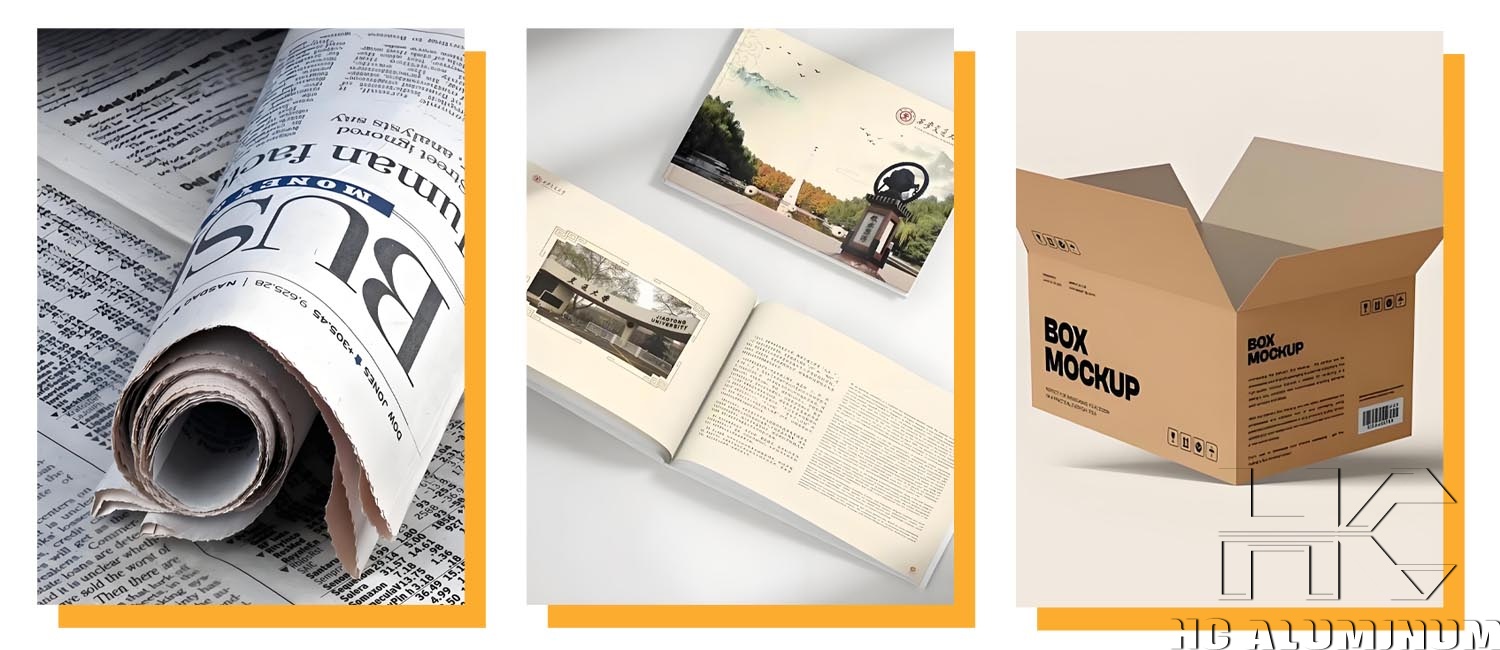
From newspapers and magazines to packaging boxes and labels, thermal CTP plates are suitable for a wide range of offset printing applications.
Thermal CTP Plate vs Traditional PS Plate
Workflow Comparison
Traditional PS plate workflow usually includes file output, film production, exposure, development, and inspection. Thermal CTP plate workflow is more direct: digital file, CTP imaging, processing if required, and printing.
This simplified workflow can save time and reduce process variation.
Quality Comparison
PS plates can produce good print results when the process is well controlled. However, thermal CTP plates offer better consistency because digital imaging reduces the influence of film and manual exposure.
For printers that need stable repeatability, thermal CTP plate technology is often the better choice.
Efficiency Comparison
Thermal CTP plates help improve prepress efficiency by reducing preparation time and simplifying operations. This can be especially valuable for printers with high job volume or tight delivery schedules.
Applications of Thermal CTP Plates
Thermal CTP plates are widely used in many offset printing fields, including:
Commercial printing
Book and magazine printing
Newspaper printing
Packaging box printing
Label printing
Brochure and catalog printing
High-quality color printing
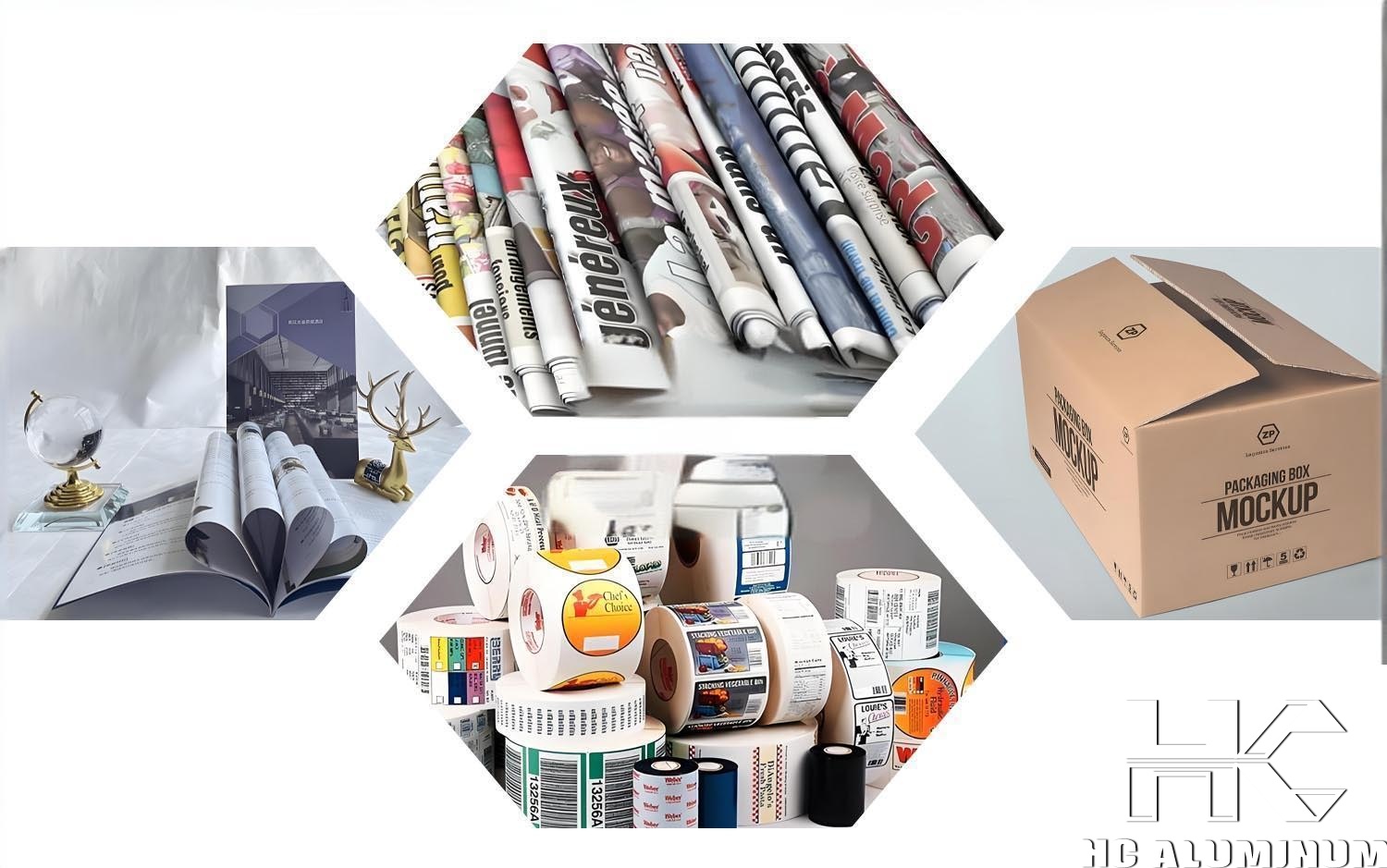
Because of their stable performance and reliable imaging quality, thermal CTP plates are suitable for both standard print jobs and more demanding production requirements.
How We Support Printers with Reliable Thermal CTP Plates
As a professional offset printing plate manufacturer, we produce thermal CTP plates, processless CTP plates, CTcP plates, PS plates, and aluminum base plates. Our goal is to help printing companies choose the right plate for their equipment, workflow, and production needs.
For thermal CTP plates, we pay close attention to:
High-quality aluminum substrate
Uniform coating performance
Stable sensitivity for thermal imaging
Good ink-water balance on press
Reliable durability during printing
Consistent batch quality
By controlling these key points, we help printers improve production efficiency and maintain stable print results.
Is Thermal CTP Plate Right for Your Printing Business?
If your printing company wants to reduce film use, shorten prepress time, improve plate consistency, and support a more digital workflow, thermal CTP plate is a strong choice.
Traditional PS plates still have their place in some printing environments, especially where equipment and workflow are already built around them. However, for printers looking to modernize production and improve overall efficiency, thermal CTP plates provide a practical and future-ready solution.
Conclusion
Thermal CTP plate technology offers a clear efficiency advantage over traditional PS plate production. It simplifies the prepress workflow, improves image accuracy, reduces human error, and supports stable offset printing performance.
As a printing plate manufacturer, we believe that choosing the right plate is not only about replacing one product with another. It is about improving the entire printing process. For many modern printers, thermal CTP plate is an efficient, reliable, and high-quality alternative to traditional PS plate.