Welcome to HongChang Aluminum CO., LTD.

Visit
Xin'an Industrial Assemble Region,Luoyang,Henan Province,China
Welcome to HongChang Aluminum CO., LTD.
Xin'an Industrial Assemble Region,Luoyang,Henan Province,China

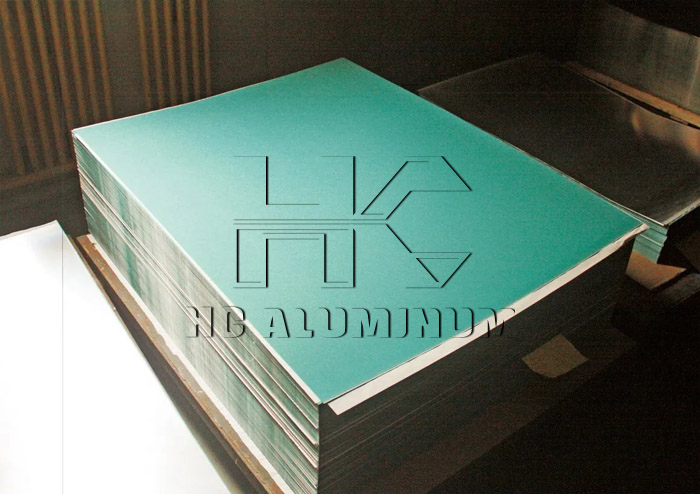
PS plate is used in various printing fields, such as books, magazines, newspapers, packaging, advertising, etc. Its high-quality printing effect and stable performance make it one of the important materials in the printing industry.
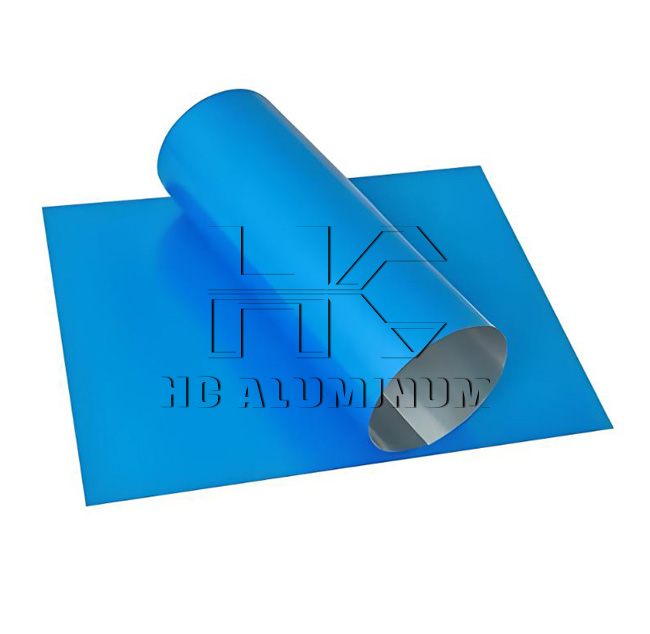
Aluminum PS plates are the core consumables of offset printing presses. The base material is primarily 1050, 1060, or 1070 aluminum alloy. The surface is electrolytically oxidized to create a grain structure and then coated with a photosensitive resin.
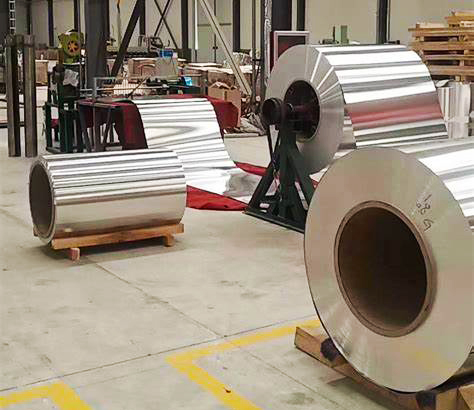
Ctcp plate is a computer-generated plate made directly on a traditional plate, replacing the traditional film platemaking method. The positive Ctcp plate inherits the advantages of CTP such as timeliness and high quality, a
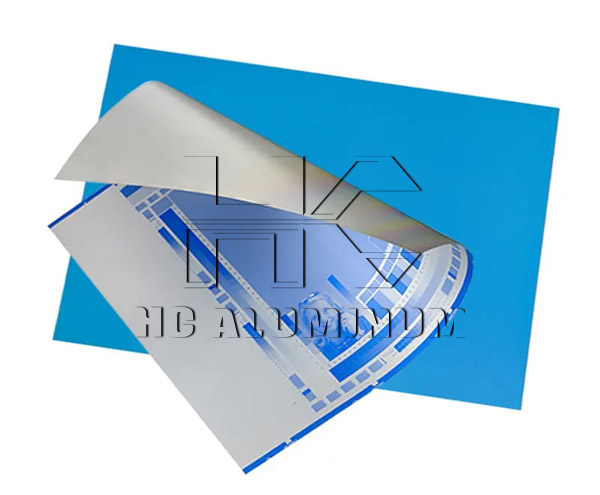
In CTP printing aluminum substrates, the commonly used aluminum plate base alloys are 1050, 1060, etc.
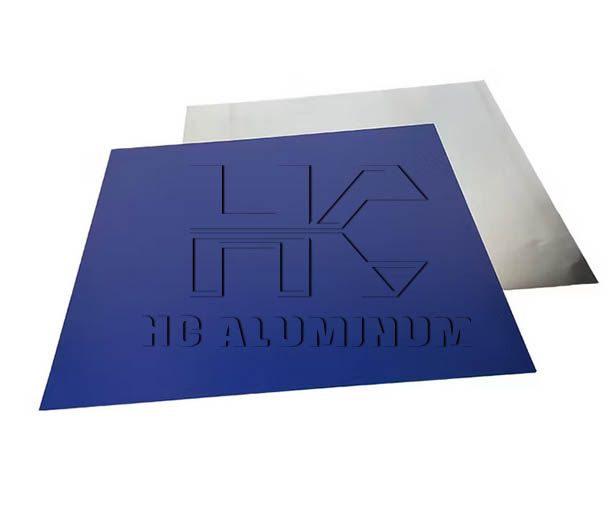
Offset thermal CTP aluminum plate is a high-end printing plate made of aluminum plate as the substrate, coated with photosensitive material on the surface, ...
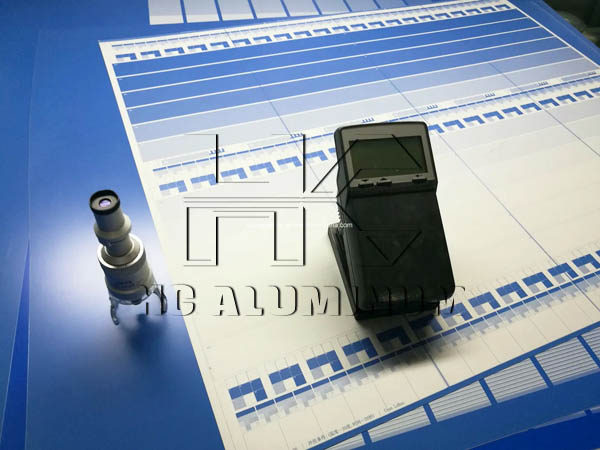
Aluminum offset thermal CTP plate is a modern platemaking technology for offset printing. Its core is to transfer digital printing files directly to the printing plate of aluminum substrate without the need for traditional film intermediate medium.
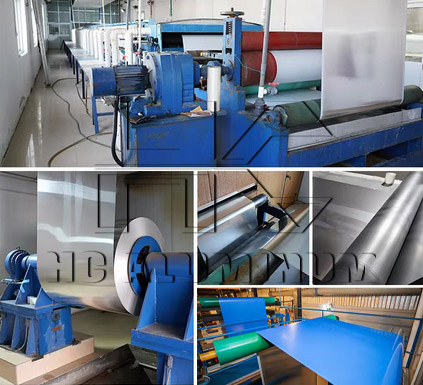
MC Aluminum is a manufacturer specializing in the production of 1060-h18 aluminum sheets for printing platemaking. The thickness range of production is between 0.13-0.40mm, and it can be customized.
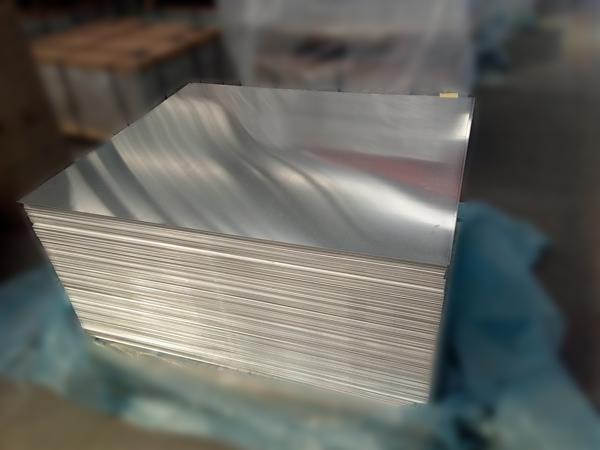
1 series aluminum alloy plates are commonly used for PS plate substrate/CTP plate substrate, with advantages such as high printing quality, strong printing durability, environmental friendliness, cleanliness and hygiene, and low cost.
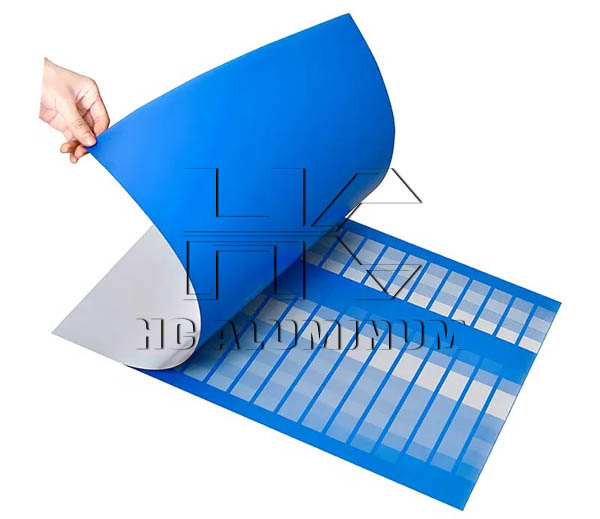
1-Series photopolymer plate aluminum substrates are made from 1050, 1050A, 1060, and 1070 aluminum sheets as the supporting material for photopolymer plates (such as PS plates and CTP plates).
Among the wide range of CTP plate types available, high-sensitivity thermal CTP plates have emerged as the preferred solution for increasing production capacity, optimizing costs, and ensuring exceptional print quality.
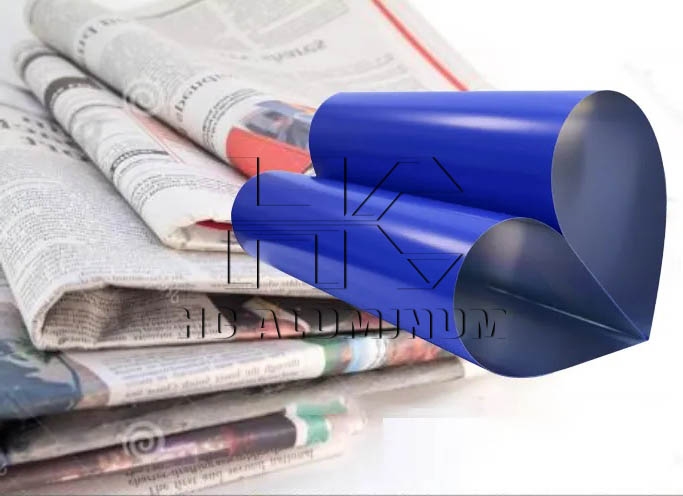
Offset printing is commonly used in newspaper production, with PS plates (Presensitized Plates) or CTP plates being the primary materials.
The alloy types of aluminum plates for printing bases usually include 1050, 1060, 1070, 1100, etc.
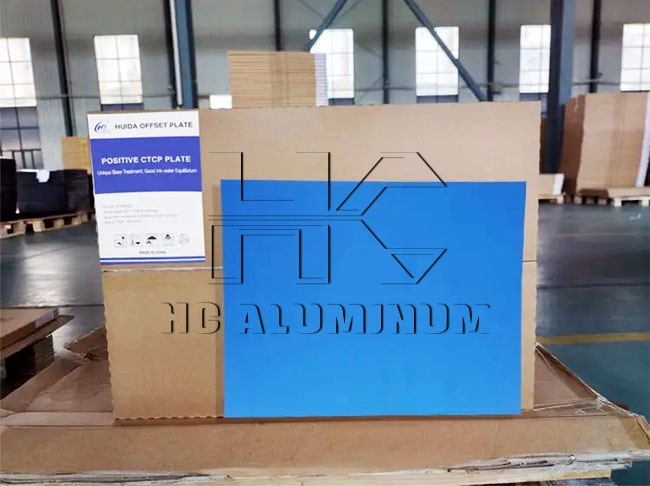
Aluminum substrate is the main carrier of green printing aluminum plate. It is usually made of high-purity aluminum, using 1050 aluminum alloy, 1060 aluminum alloy, etc.
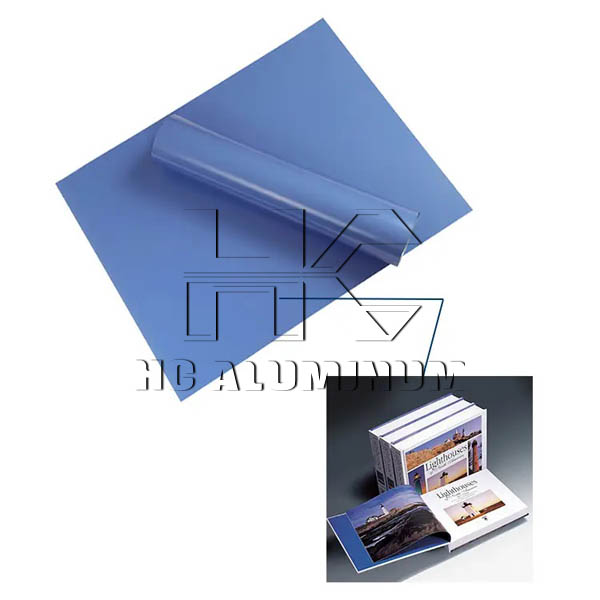
The aluminum substrate offset printing PS plate is a new type of printing material that has become an essential component in the offset printing industry due to its exceptional printing performance, long-lasting durability, and environmental benefits.
Hongchang Aluminum focuses on the research and development and production of offset printing plates. Its products cover offset printing plates, thermal CTP plates, and raw material aluminum substrates, and are widely used in books, packaging and other fie
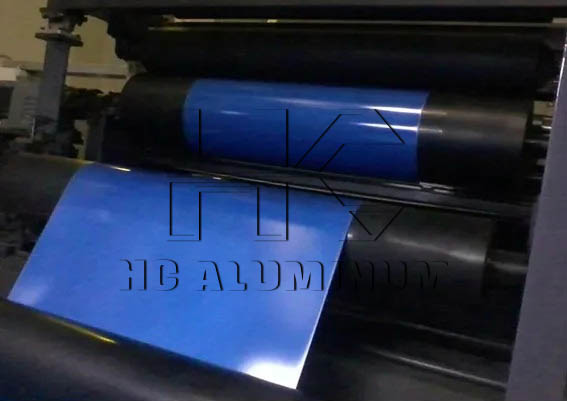
CTCP uses traditional PS plates and ultraviolet light, while CTP uses special plates and lasers.
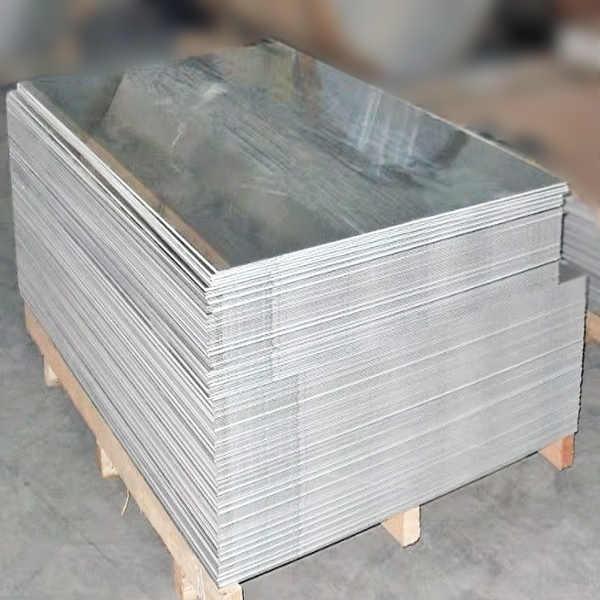
In the printing industry, PS sheet (pre-coated photosensitive sheet) refers to a sheet made by coating a non-silver photosensitive (thermal) resin layer on an aluminum substrate sheet. For photosensitive sheet substrates, 1050, 1060, 1070, 1050A aluminum
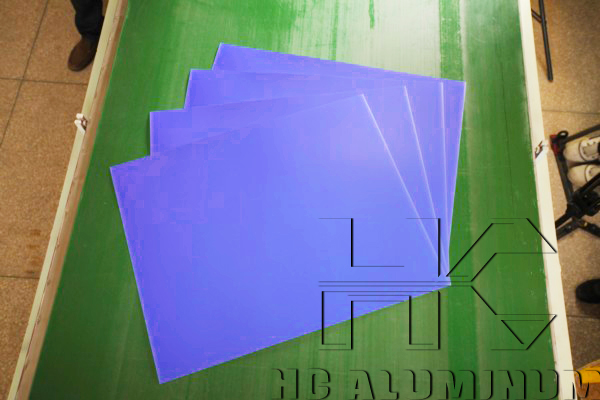
The alloys used for aluminum base sheet production in CTP sheet production are usually 1050, 1060 aluminum coil, etc. Aluminum coil is usually highly processed aluminum, and the surface is anodized to improve corrosion resistance and prepare for subsequen
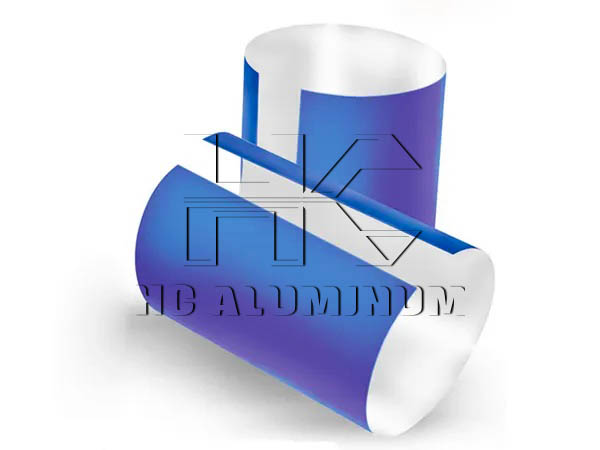
The main raw material for CTP plates is the printing plate material, which is typically made from aluminum base plates (also called aluminum plates) that are treated with a coating to accept image transfer.
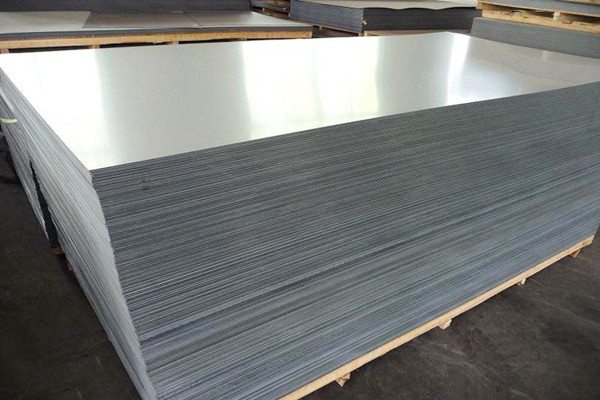
PS/CTP are both rolled into a certain thickness of thin plate through hot and cold rolling process. The surface of the plate is coated with a layer of photosensitive resin after a specific process treatment, and then dried to make a printing plate for var
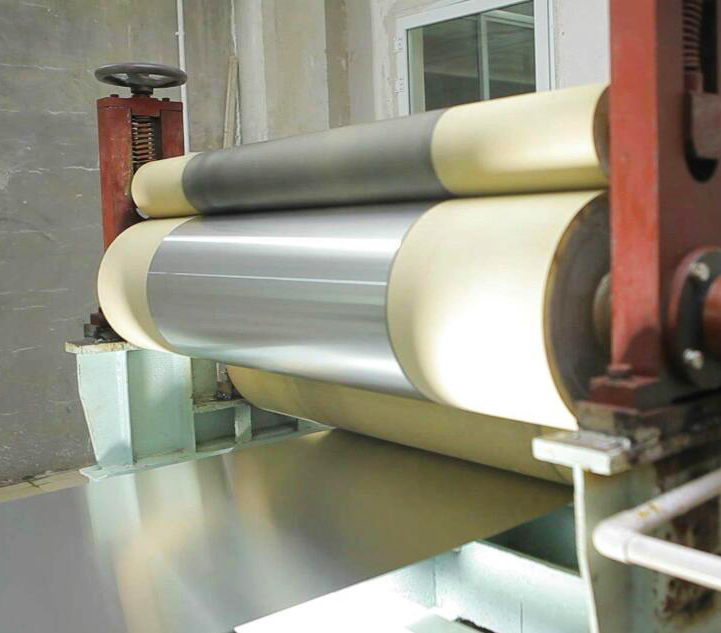
CTP plate is a high-end direct platemaking technology, widely used in different types of offset printing plates, such as positive PS plate, thermal CTP plate, photosensitive CTP plate and UV-CTP plate. CTP plate has the advantages of high printing quality
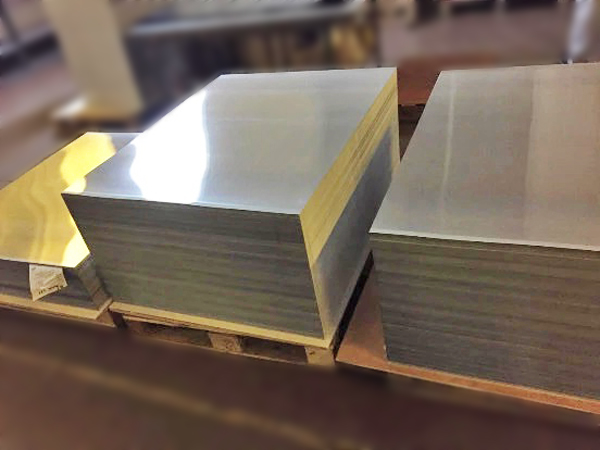
CTP aluminum substrate made of 1050, 1060, 1070 aluminum sheets, these aluminum alloys are known for their high purity and good processing performance. 1 series aluminum plate can provide good conductivity, ductility and corrosion resistance, suitable for
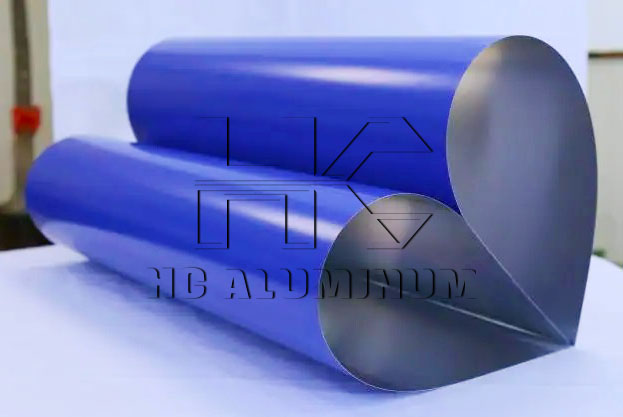
Aluminum strip is a special aluminum-based material dedicated to the printing industry, mainly used to make printing plates for computer direct platemaking (CTP, Computer-To-Plate) technology. This kind of aluminum strip plays an important role in the mod
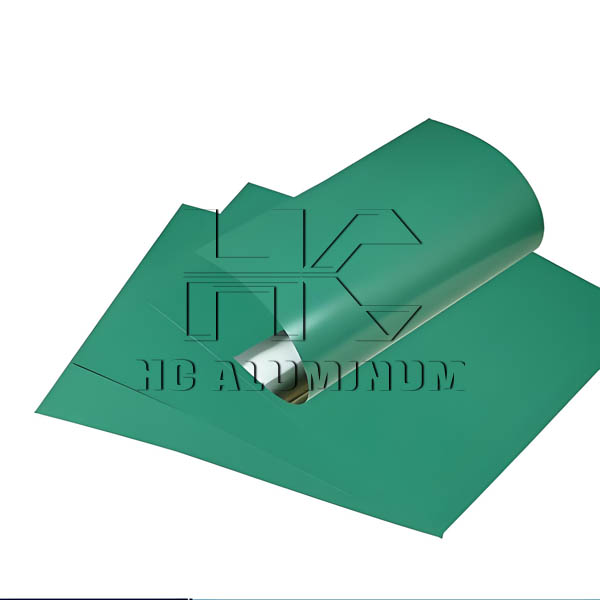
The aluminum alloys commonly used in printing plates include 1050, 1060, and 1070 series pure aluminum, which have aluminum contents above 99.5%.
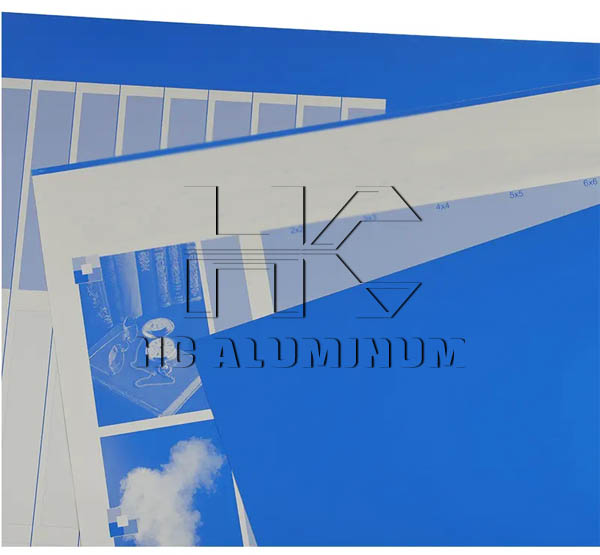
The CTCP plate is mainly composed of a high-quality aluminum substrate and a photosensitive coating.
Printed aluminum plate usually uses aluminum alloy as the substrate, commonly used 1050 aluminum alloy, 1060 aluminum alloy, 1070 aluminum alloy, etc.
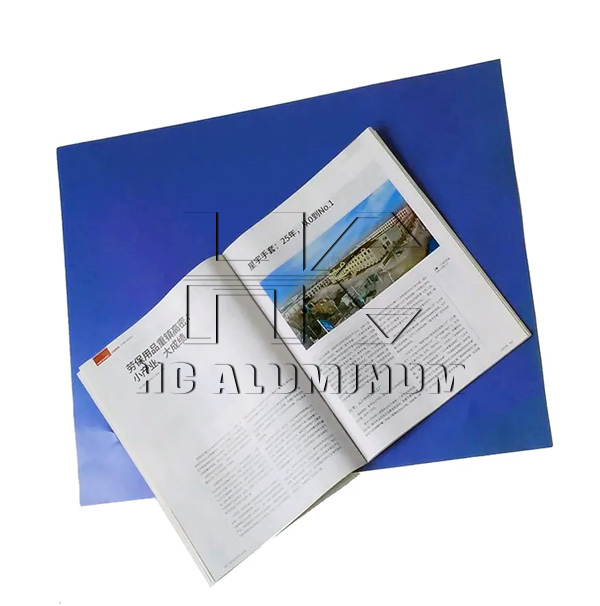
The Blue Positive UV-CTP plate (Computer-to-Plate) is a light-sensitive printing plate based on violet laser technology (405nm), specially designed for UV ink printing environments.
Hongchang Aluminum is a professional printing plate manufacturer. Its main products include PS plates, CTP plates, CTCP plates, treatment-free plates, photosensitive plates, etc.